-
Guxiang Town, Chaozhou City,Guangdong Province, China

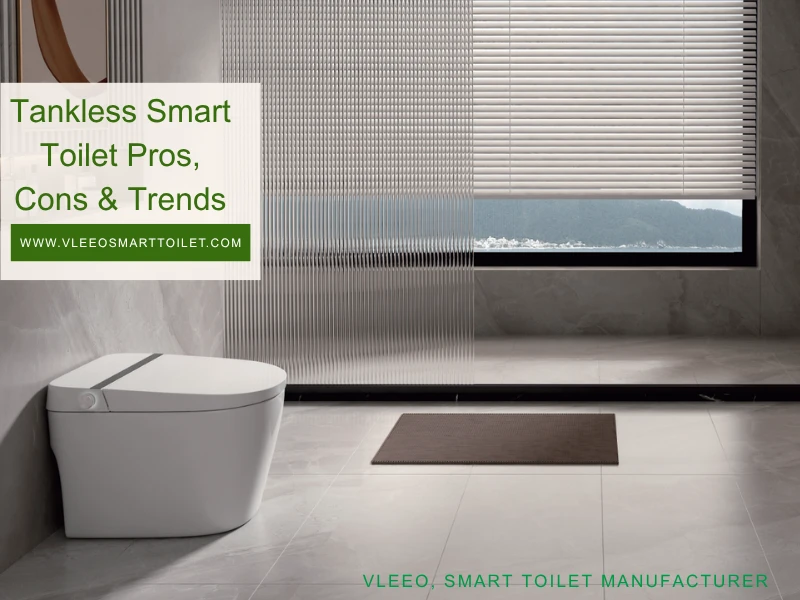
Tankless Smart Toilet Pros, Cons & Trends
Have you noticed how commercial bathroom designs are shifting lately? As a manufacturer, I spend a lot of time tracking what buyers want. Traditional, bulky porcelain tanks are starting to look like relics of the past. Instead, high-end commercial projects, modern apartments, and hotels are moving toward a much sleeker option: the tankless smart toilet.
If you are a B2B buyer, an importer, or a sourcing manager, you might be wondering if this is just a passing design fad or a genuine evolution in sanitation technology. I want to look past the marketing hype and give you a grounded, honest look at how a tankless smart toilet works, what it costs, and whether it makes sense for your inventory.

What Exactly is a Tankless Smart Toilet?
Let’s start with a simple definition.
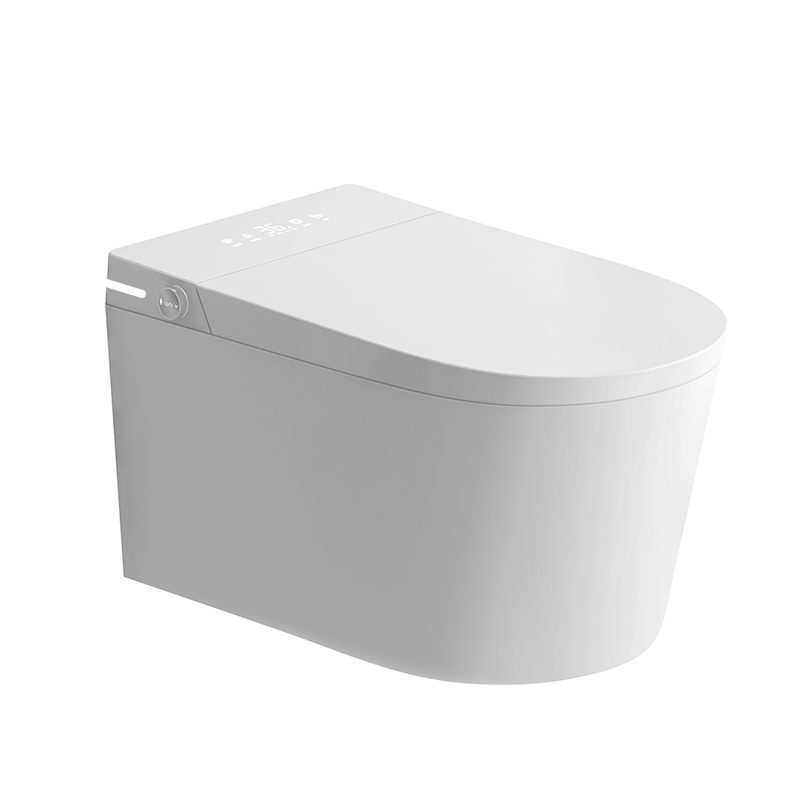
A tankless smart toilet is an innovative bathroom fixture that operates without a traditional, exposed porcelain water tank. Instead of storing gallons of water behind the seat, it connects directly to your building’s main water supply line and uses an electronic, on-demand delivery system to clear waste while offering automated luxury features.
When you press the flush button on a standard toilet, gravity pulls water down from the big rear tank. With a basic tankless system, the flush relies entirely on the direct dynamic pressure coming right out of your pipes. Because it eliminates the external water storage, the entire fixture is incredibly compact, transforming modern bathroom logistics and aesthetics.
How a Tankless Smart Toilet Works Behind the Scenes
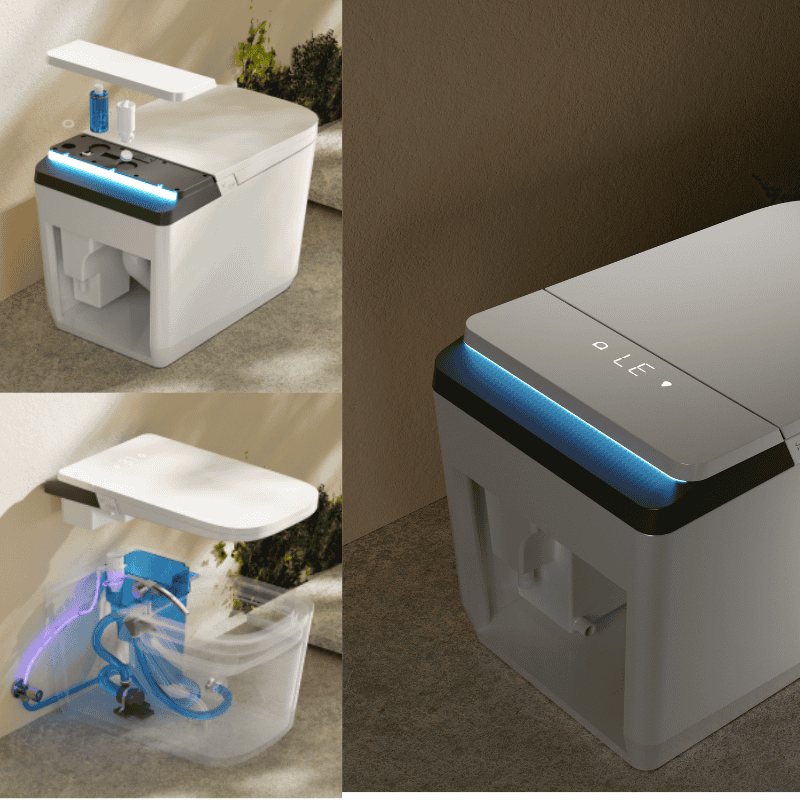
The mechanics of a premium tankless smart toilet are different from the classic flush valve assemblies we’ve built for decades. By eliminating the large rear tank, a tankless model can be bolted much closer to the wall—or even mounted directly onto the wall frame.
Instant Recharges
When someone flushes a traditional toilet, they have to wait 30 to 60 seconds for the tank to refill before it can flush effectively again. If you are designing bathrooms for high-traffic environments like restaurants, airports, or busy office buildings, that wait time is a problem.
Advanced tankless smart toilet models deliver water instantly. The moment one flush cycle finishes, the system is immediately ready for the next user. This is a massive operational benefit during peak morning hours in hotels or during event intermissions.
Fewer Moving Parts to Leak
If you manage property or maintain commercial buildings, you know that toilet tanks are a frequent source of maintenance headaches. Flappers warp, fill valves get stuck, and silent leaks can waste thousands of gallons of water before anyone notices.
A high-quality tankless smart toilet doesn’t suffer from these specific issues. There is no flapper to degrade and no massive external tank to slowly leak into the bowl. This lack of wearable tank components translates directly into fewer maintenance service calls over the lifespan of the fixture.
Water Pressure: The Critical Requirement (and the Vleeo Solution)
Before you import a container load of tankless models, you need to understand their historical core limitation: water pressure.
Traditional units use gravity to create force. However, an ordinary tankless smart toilet requires heavy direct plumbing pressure to clear the bowl effectively. This has historically restricted their use in certain markets.
- The Minimum Bar for Standard Models: A typical tankless smart toilet requires a minimum incoming water pressure of roughly 30 PSI (pounds per square inch) to flush properly.
- The Low Pressure Risk: If your client installs a standard tankless unit in an older building or upper floors with weak pressure, they will get a sluggish, ineffective flush.
- The Vleeo Innovation: To eliminate this dealbreaker for B2B importers, brands like Vleeo have revolutionized the engineering. The Vleeo tankless smart toilet features an integrated, hidden built-in water tank inside its sleek ceramic body. This internal tank stores a precise amount of water and combines it with a low-voltage booster pump. Even in old buildings with water pressure as low as 10-15 PSI, Vleeo delivers a powerful, high-velocity vortex flush without requiring external plumbing upgrades.
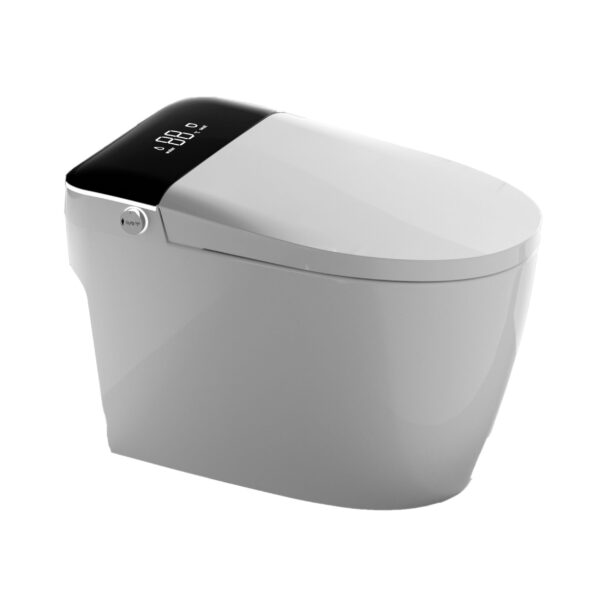
As a B2B supplier, I always advise checking the actual pressure at the project location. If pressure is unstable, sourcing a tankless smart toilet with Vleeo’s built-in tank technology is the safest way to future-proof your inventory and ensure zero customer complaints.
The Core Advantages of a Tankless Smart Toilet
Why are developers and importers willing to navigate these plumbing profiles? The benefits of introducing a tankless smart toilet into modern projects are substantial.
1. Extreme Space Efficiency
Space is expensive. Whether you are building high-rise apartments in a dense city or maximizing the square footage of a boutique hotel room, every inch matters.
Because there is no bulky porcelain tank sitting on the back of the bowl, choosing a tankless smart toilet cuts down on the physical footprint of the fixture. It gives architects more freedom to design cleaner, more spacious layouts.
2. Serious Water Conservation
Sustainability isn’t just a buzzword anymore; it’s a strict regulatory reality for modern builders. Older legacy toilets often guzzle anywhere from 3.5 to 7 gallons of water with every single flush.
Modern tankless smart toilet configurations drastically reduce that volume. Many models use just 1.28 gallons per flush or even less.
| Toilet Type | Average Gallons Per Flush (GPF) |
|---|---|
| Older Standard Toilet | 3.5 to 7.0 GPF |
| Modern Tankless Smart Toilet | 1.28 GPF or less |
Many commercial tankless smart toilet designs also include dual-flush options. When upgrading a commercial property from old fixtures, landlords frequently see their total water usage drop by 20% to 60%, adhering to strict water efficiency parameters outlined by international bodies like the U.S. Environmental Protection Agency (EPA). That is a bottom-line saving that makes B2B buyers pay attention.
3. Better Hygiene and Easier Cleaning
Traditional two-piece toilets have a seam between the tank and the bowl. Over time, that narrow crevice collects dust, condensation, and grime that is incredibly difficult to clean.
A integrated tankless smart toilet features a sleek, unified, one-piece body. Without an external tank in the way, there are far fewer nooks and crannies. For janitorial staff cleaning dozens of stalls a day, this saves time and ensures a much more sanitary environment.
The Real Considerations and Drawbacks
I don’t believe in hiding the challenges of a product. To make a smart buying decision for your market, you need to look at the downsides of the tankless smart toilet category as well.
High Upfront and Installation Costs
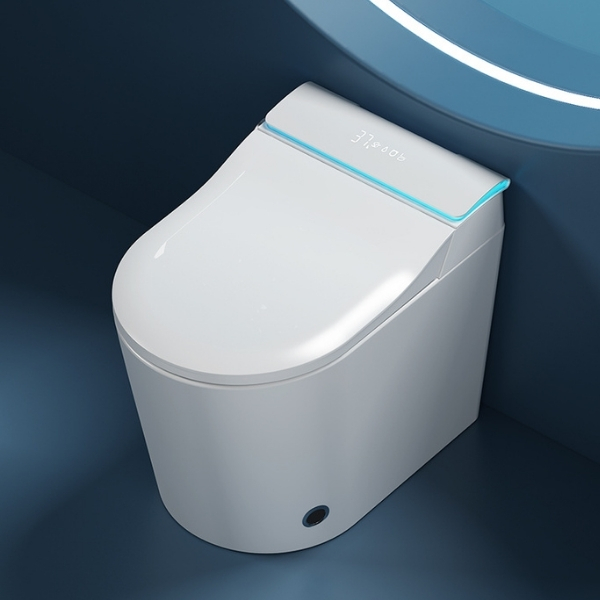
Let’s talk numbers. A standard gravity-flush toilet is relatively cheap to manufacture and buy. A quality tankless smart toilet system, however, carries a higher upfront tag. Depending on the integrated features and the specific brand, upfront costs—including professional installation—frequently range from $1,000 to $3,500 per unit.
The installation process itself can get complicated if you choose a standard tankless model that requires modifying wall plumbing to align with high-pressure direct-feed lines. This is why Vleeo’s built-in tank technology is so popular—it directly lowers installation complexity by matching standard home plumbing lines.
Electrical Dependencies
Premium models in the market today are true tankless smart toilet units. They include electronic features like motion-activated lids, integrated bidets, automatic deodorizers, and self-cleaning UV nozzles. This means the toilet needs a reliable, safe electrical connection nearby. If a property experiences a total power outage, a purely electronic tankless smart toilet might rely on a small, limited backup battery cache to flush.
Breaking Down the B2B Market & Global Growth
If you are sourcing fixtures for wholesale or long-term distribution, the macroeconomic data for a tankless smart toilet inventory looks exceptionally strong. The global market is projected to expand from a valuation of USD 3.26 billion in 2026 to USD 6.53 billion by 2035. That is a steady Compound Annual Growth Rate (CAGR) of 7.9%.
What is Driving This Growth?
- Green Building Mandates: Governments are clamping down on water waste. Builders are sourcing a tankless smart toilet line to earn green building certifications like LEED.
- Urban Densification: As urban apartments get smaller, micro-condos require compact bathroom solutions that don’t sacrifice style.
- The Commercial Boom: Hotels, offices, and luxury resorts are expanding rapidly. Commercial buyers want durable, high-efficiency fixtures that can withstand heavy daily use without leaking.
Debunking Common Industry Myths
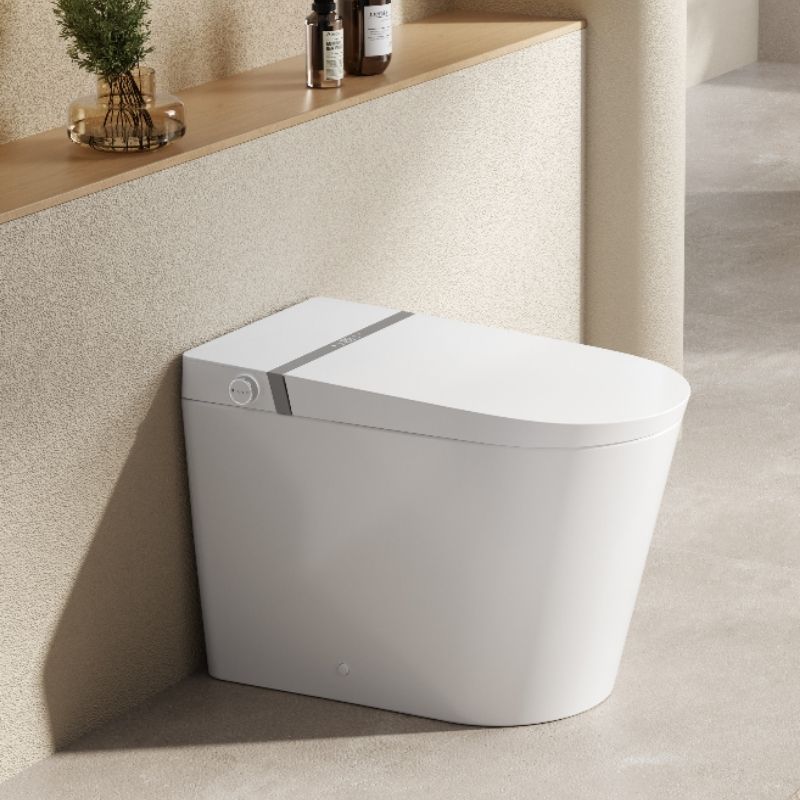
Because this technology is still emerging in certain markets, your clients might come to you with a few common misconceptions about the tankless smart toilet ecosystem. Let’s clear those up right now.
Myth 1: “Tankless bidets use too much water.”
Some buyers think adding smart cleaning functions or integrated bidet jets to a tankless smart toilet design will skyrocket their water bill. The opposite is true. Automated, direct-pressure cleaning cycles use water much more efficiently than manual cleaning, and they significantly reduce toilet paper waste.
Myth 2: “They are too complicated to fit into a normal bathroom due to weak pressure.”
This used to be true for old-generation flush valve systems, but it is completely false today. Thanks to Vleeo’s engineering breakthroughs, you no longer need high municipal water pressure. By utilizing a tankless smart toilet with an integrated, hidden internal water reservoir, the fixture independent of the home’s water pressure fluctuations, creating an effortless drop-in installation for any standard layout.
Is a Tankless Smart Toilet Worth the Investment?
For the right project, absolutely.
If you are a distributor catering to high-end residential builders, hotel contractors, or modern commercial developments, keeping a tankless smart toilet in your catalog is a smart play. The combination of long-term water savings, zero risk of traditional tank leaks, and an upscale, minimalist aesthetic makes them highly attractive to modern project managers.
By opting for advanced systems that solve the low-pressure challenge through built-in reservoirs, you eliminate the risk of returns or installation failures. If you are looking to elevate your inventory with advanced, space-saving technology that combines these direct-pressure savings with premium user comfort, consider exploring our wholesale line of integrated smart systems, including options like the high-performance tankless smart toilet with bidet functionality.
What are the biggest plumbing challenges you face when sourcing fixtures for your regional market? Let’s discuss how modern tankless smart toilet designs can be adapted to fit your upcoming project pipelines.