-
Guxiang Town, Chaozhou City,Guangdong Province, China

Smart Toilet ROI: How Smart Toilets Deliver Measurable Returns to Hotels and Rental
A real ROI, timelines, and sourcing insights from Chinese manufacturers.
Introduction: Why Smart Toilet ROI Matters
In hotels and rental properties, profitability is increasingly driven by operational efficiency. Rising labor costs, higher water and energy prices, and stricter hygiene expectations are putting pressure on margins across hotels, serviced apartments, and short-term rentals.
Bathrooms are a major cost center, and toilets alone impact water usage, cleaning time, maintenance, and guest satisfaction. This is why smart toilet ROI has become a practical business topic—not a luxury discussion.
When deployed at scale, smart toilets help hotels and rental operators reduce OPEX, improve guest experience, and achieve measurable financial returns within a predictable timeframe.
1. What Is a Smart Toilet? A Business-Oriented Definition
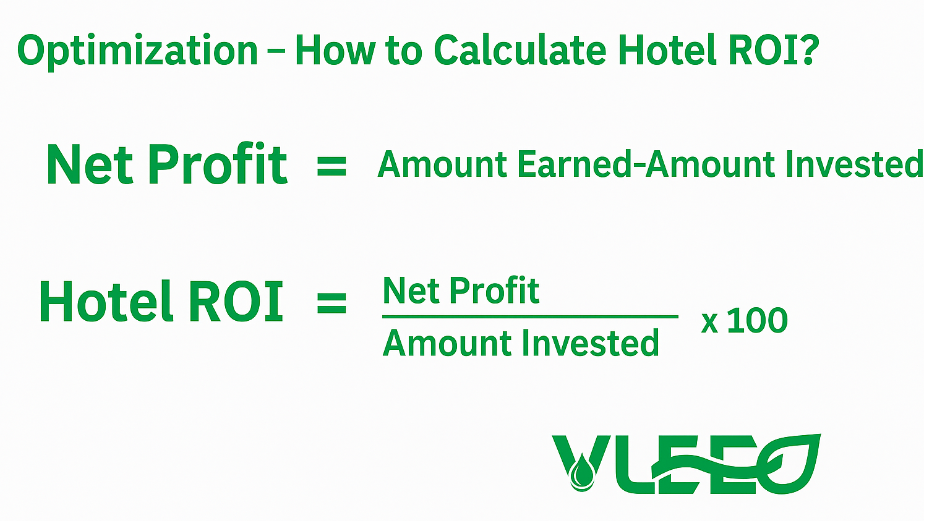
From a consumer perspective, a smart toilet is often described as a high-tech bathroom fixture. From a hospitality and rental business perspective, however, a smart toilet is an efficiency-driven sanitation system designed to optimize water use, labor input, and long-term maintenance.
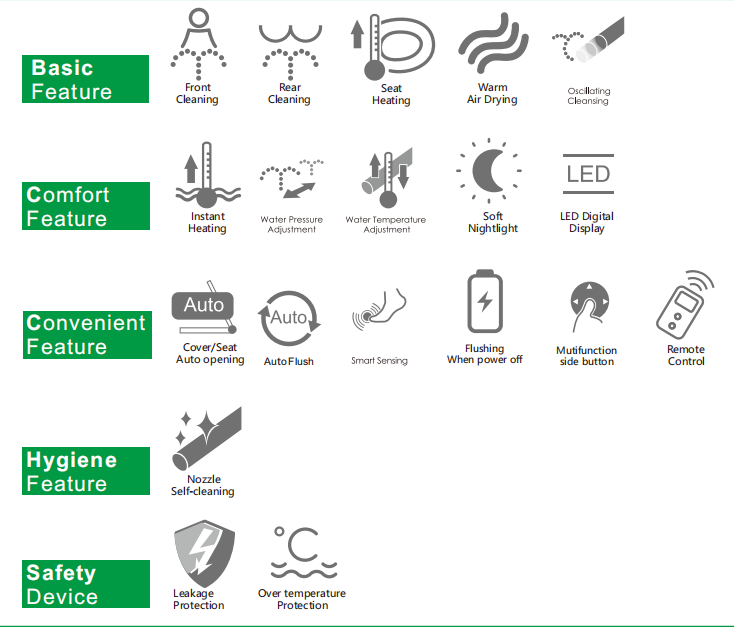
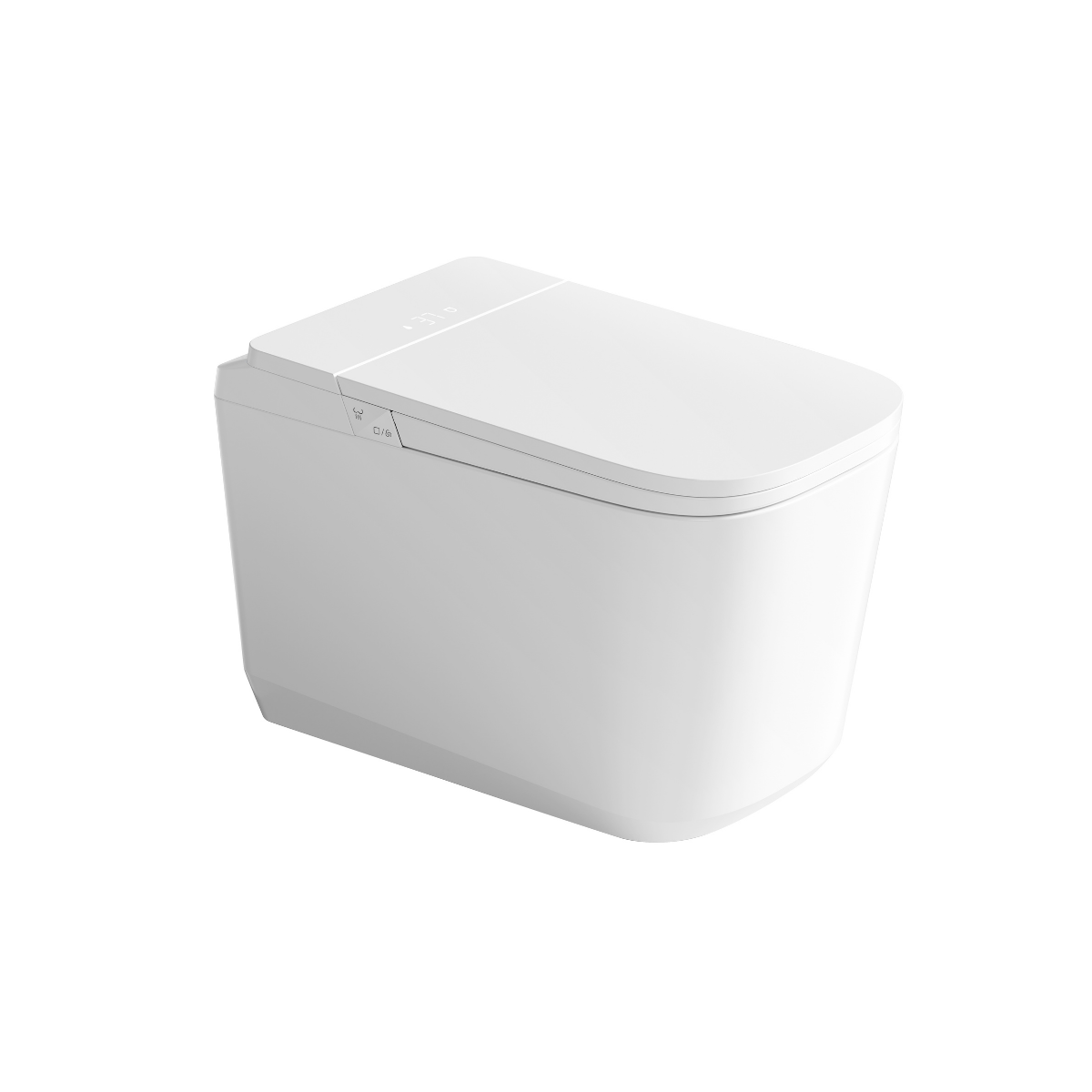
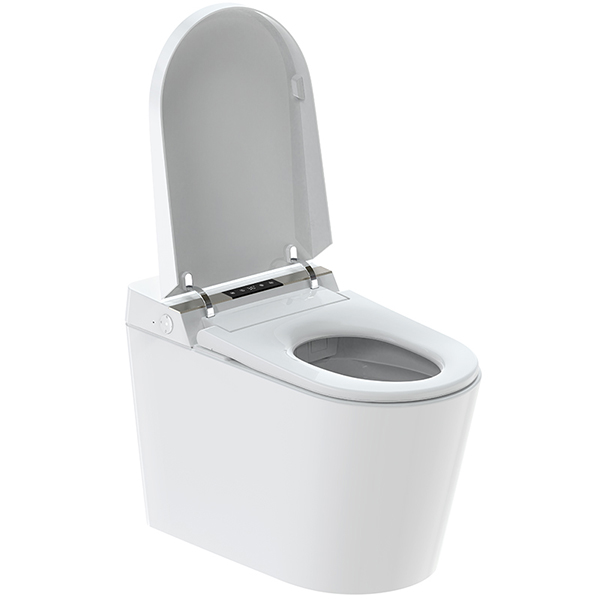
A modern smart toilet typically integrates traditional ceramic WC construction with automated and hygiene-focused technologies, including:
- Automatic lid opening and closing
- Touchless or foot-sensor flushing
- Heated seating for comfort and climate adaptability
- Adjustable bidet washing (temperature, pressure, and nozzle position)
- Instant water heating or energy-efficient tank heating
- Self-cleaning stainless steel nozzles
- Built-in deodorization and air-drying functions
- LED night lighting for safety in low-light environments
For higher-end hospitality or long-stay rental projects, some smart toilets may also include:
- Water-saving flush algorithms
- Diagnostic alerts for maintenance teams
- App-based or centralized control systems
1.1 Smart Toilet Categories for Hotels and Rentals
To optimize smart toilet ROI, operators typically choose from four main categories:
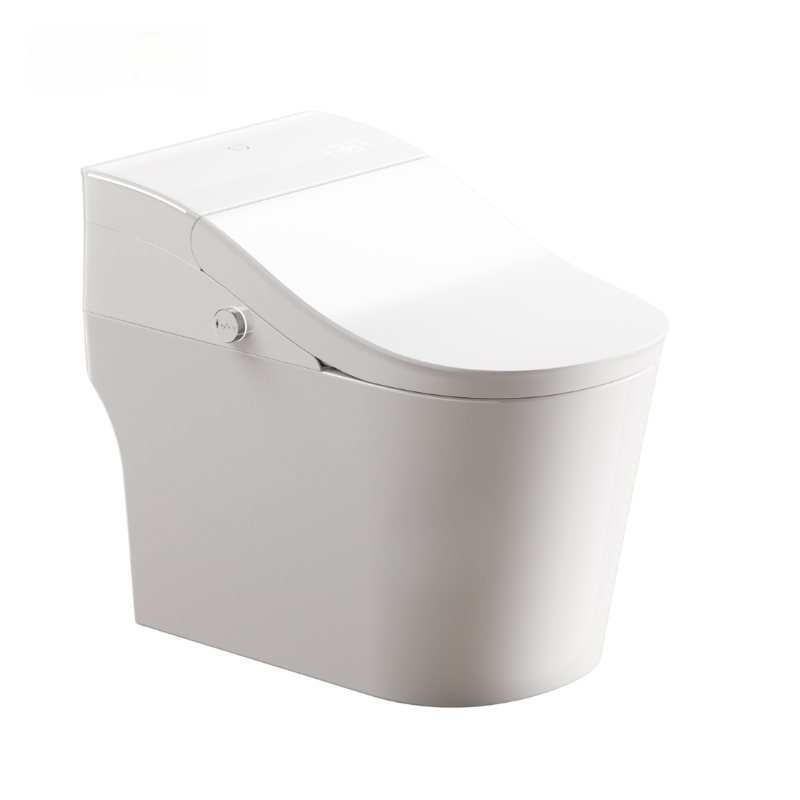
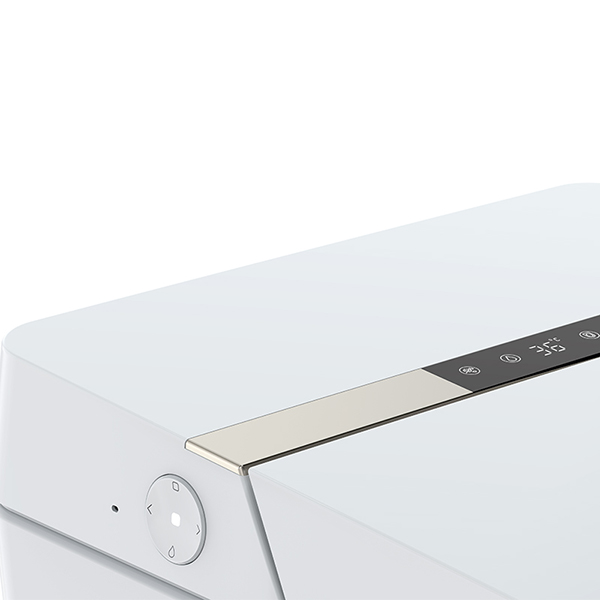
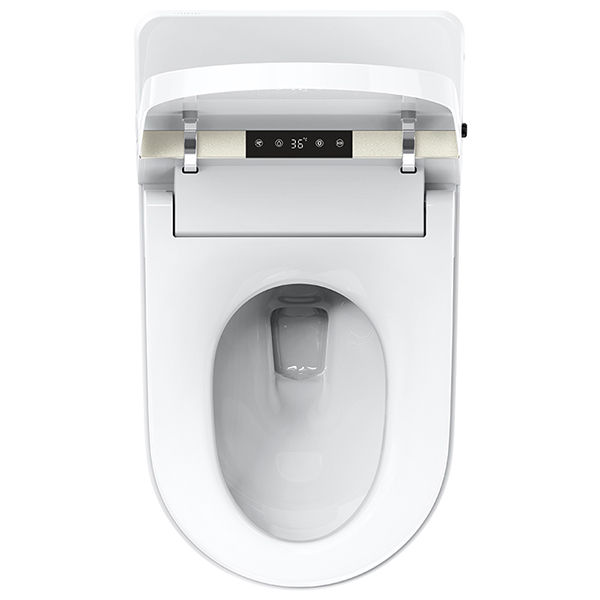
- Full intelligent toilets (one-piece smart WC) – Best suited for new builds, renovations, and premium rooms
- Smart bidet toilet seats – Retrofit solutions ideal for existing hotels and rental upgrades
- Semi-smart toilets – Mechanical flushing combined with limited smart features, low electricity use
- Non-electric bidet seats – Cost-controlled options for price-sensitive or emerging markets
This categorization allows hotels and rental operators to align capital expenditure (CAPEX) with room type, guest expectations, and target ROI.

2. Understanding Smart Toilet ROI: The Core Financial Logic
At its core, smart toilet ROI is driven by the relationship between upfront investment and recurring operational savings. Unlike decorative upgrades, smart toilets affect multiple cost centers simultaneously, allowing savings to accumulate year after year.
The key financial levers include:
- Water consumption
- Housekeeping labor
- Maintenance and repairs
- Consumable usage (toilet paper and chemicals)
- Guest satisfaction and revenue performance
- Sustainability and compliance value
The combined effect of these factors determines how quickly smart toilets pay for themselves in both hotels and rental properties.
3. How Smart Toilets Reduce OPEX in Hotels and Rental Properties
3.1 Water Consumption Savings (15%–60%)
Traditional toilets are among the largest water consumers in hospitality and rental buildings. In high-occupancy hotels or frequently turned-over short-term rentals, water usage escalates rapidly.
Smart toilets reduce water consumption through:
- Dual-flush and optimized flush volumes
- Precision-controlled bidet washing
- Reduced reliance on excessive flushing
- Intelligent water distribution during cleaning cycles
In large properties, annual water savings can reach hundreds of thousands of liters. According to data from water-efficiency programs such as EPA WaterSense, high-efficiency fixtures can significantly reduce commercial water usage.
For properties in regions with high water tariffs—such as Japan, Singapore, Western Europe, Australia, and parts of the Middle East—water savings alone can justify the investment.
3.2 Reduced Housekeeping Time and Labor Costs
Labor represents one of the largest and fastest-growing OPEX categories in both hotels and rental operations. Smart toilets reduce housekeeping workload through:
- Rimless bowl design that eliminates hard-to-clean edges
- Anti-bacterial ceramic glaze that resists stains
- Automatic flushing that minimizes manual intervention
- Self-cleaning nozzles and deodorization systems
- Touchless operation that reduces visible contamination
Hotels report cleaning-time reductions of 8–15 minutes per bathroom, while rental operators benefit from faster turnover between guests. Over hundreds of rooms or units, this translates into:
- Fewer cleaners required per shift
- Reduced overtime and labor fatigue
- Faster check-in readiness during peak seasons
From an ROI standpoint, labor efficiency is often the single largest contributor to smart toilet payback.
3.3 Lower Maintenance Frequency and Longer Product Lifespan
High-quality smart toilets manufactured by experienced OEMs are designed for commercial use. Compared with standard toilets, they often deliver:
- Fewer clogging incidents due to optimized water flow
- Reduced wear on mechanical components
- Stable electronic systems with moisture protection
- Easy-access components for servicing
As a result, properties experience:
- Fewer emergency maintenance calls
- Lower spare parts consumption
- Reduced downtime for revenue-generating rooms
A well-engineered smart toilet can last 8–15 years, comparable to or longer than traditional toilets, with replaceable electronic modules when necessary.
3.4 Reduced Toilet Paper and Consumable Usage (25%–70%)
Bidet washing significantly reduces toilet paper consumption. This impacts several cost areas:
- Direct consumable purchasing costs
- Storage and logistics management
- Sewage system load and pipe blockage risk
For high-traffic hotels and multi-unit rental portfolios, reduced toilet paper usage becomes a meaningful and predictable annual saving.
3.5 Guest Satisfaction, Reviews, and Revenue Uplift
While cost reduction is central to smart toilet ROI, revenue impact should not be underestimated. Smart toilets contribute to:
- Higher guest satisfaction scores
- Better online reviews
- Increased perceived room value
- Higher repeat booking rates for rentals
In competitive markets, modern bathrooms with smart toilets allow operators to justify premium pricing or maintain occupancy during off-peak seasons.
3.6 Sustainability, ESG, and Certification Value
Many hotels and rental developments now pursue sustainability certifications such as LEED, BREEAM, or WELL. Smart toilets support these initiatives by:
- Reducing water consumption
- Lowering chemical cleaning requirements
- Supporting eco-room and ESG strategies
For reference, LEED certification frameworks emphasize water efficiency as a core component of sustainable building design.

4. Smart Toilet ROI Scenarios: Hotels vs Rental Properties
4.1 Typical Hotel ROI Scenario (120-Room Property)
Estimated annual impacts:
- Water savings: 15%–45%
- Toilet paper reduction: 25%–70%
- Cleaning time saved: 10–20 minutes per room per day
- Maintenance cost reduction: 20%–30%
- Occupancy or ADR uplift: +1% to +4%
Payback period:
- Smart toilet seats: 8–18 months
- Full intelligent toilets: 18–36 months
4.2 Typical Rental Property ROI Scenario (50 Units)
Rental properties benefit from:
- Faster unit turnover
- Lower cleaning contractor fees
- Reduced consumable logistics
- Stronger differentiation on listing platforms
Payback period:
- Smart toilet seats: 6–15 months
- Semi-smart toilets: 6–12 months
- Full smart toilets (premium rentals): 18–30 months
5. Choosing the Right Smart Toilet Models for ROI Optimization
5.1 Smart Bidet Toilet Seats for Retrofit Projects
For existing hotels and rental upgrades, smart bidet seats provide fast ROI with minimal disruption.
Example: K2 Smart Bidet Toilet Seat by Vleeo
- Fits existing toilets
- Low installation cost
- Heated seat and adjustable bidet washing
- Ideal for phased upgrades
5.2 Entry-Level Full Smart Toilets for Mid-Range Properties
Entry-level models balance functionality and budget, making them suitable for:
- Mid-scale hotels
- Serviced apartments
- Standard rental units
Features often include:
- Foot-sensor flushing
- Night lighting
- Basic bidet and hygiene functions
5.3 Premium Smart Toilets for High-End Hotels and Rentals
Luxury projects require certification, design consistency, and long-term reliability.
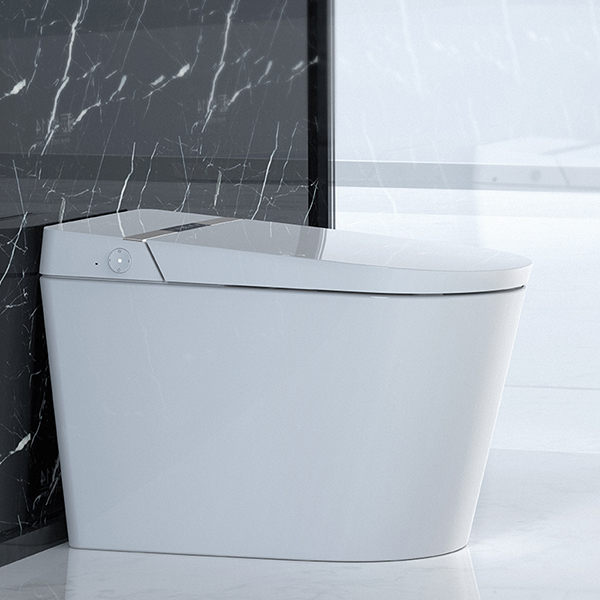
Example: CL-628 Premium cUPC Smart Toilet
- cUPC certified for North American markets
- Minimalist design
- Suitable for luxury hotels and premium rentals
6. Implementation Strategies to Maximize Smart Toilet ROI
6.1 Tiered Deployment by Room Category
A layered strategy improves ROI:
- Premium suites: Full intelligent toilets
- Standard rooms: Entry-level smart toilets
- Budget units: Smart seats or semi-smart models
6.2 Bulk Procurement and Project Planning
Bulk sourcing directly from manufacturers reduces CAPEX by 12%–35% through:
- Factory-direct pricing
- Container consolidation
- OEM customization
- Spare parts inclusion
6.3 Energy-Efficient Heating Systems
Instant heating systems reduce standby electricity consumption, making them ideal for:
- High-turnover rentals
- Hotels with energy management systems
7. Why Sourcing from Chinese Smart Toilet Manufacturers Improves ROI
China leads the global smart toilet industry due to:
- Mature production technology
- Competitive manufacturing costs
- OEM and ODM flexibility
- Comprehensive global certifications (CE, cUPC, WaterMark, SASO)
Manufacturers such as Vleeo support international B2B buyers with:
- Project consultation
- Engineering drawings
- Custom branding and colors
- Long-term spare parts supply
8. Risks, Considerations, and How to Mitigate Them
To protect smart toilet ROI, buyers should consider:
- Electrical and plumbing compatibility
- Local certification requirements
- After-sales support availability
- Spare parts standardization
Working with experienced manufacturers significantly reduces these risks.
9. Conclusion: Smart Toilet ROI as a Long-Term Business Strategy
Smart toilets are no longer optional luxury items. For hotels and rental properties, they are strategic investments that deliver measurable financial returns.
With payback periods commonly achieved within 12–24 months, smart toilet ROI is driven by cumulative OPEX reductions, improved guest satisfaction, and enhanced sustainability performance.
For property owners, developers, and international buyers, integrating smart toilets into hospitality and rental projects is a data-backed decision that strengthens both operational efficiency and competitive positioning.
FAQ: Smart Toilet ROI for Hotels and Rentals
Q1. Are smart toilets suitable for high-turnover rental units?
Yes. Many models are designed for frequent use, fast cleaning, and durability.
Q2. Do smart toilets increase maintenance complexity?
High-quality models often reduce maintenance due to self-cleaning and optimized flushing systems.
Q3. Can smart toilets support sustainability certifications?
Yes. Water efficiency and hygiene features support LEED and similar frameworks.
Q4. Is OEM branding possible for hotel groups?
Yes. Many Chinese manufacturers support full OEM and ODM customization.
Q5. What is the fastest way to achieve smart toilet ROI?
Start with smart bidet seats or semi-smart models in high-usage units and expand gradually.