-
Guxiang Town, Chaozhou City,Guangdong Province, China

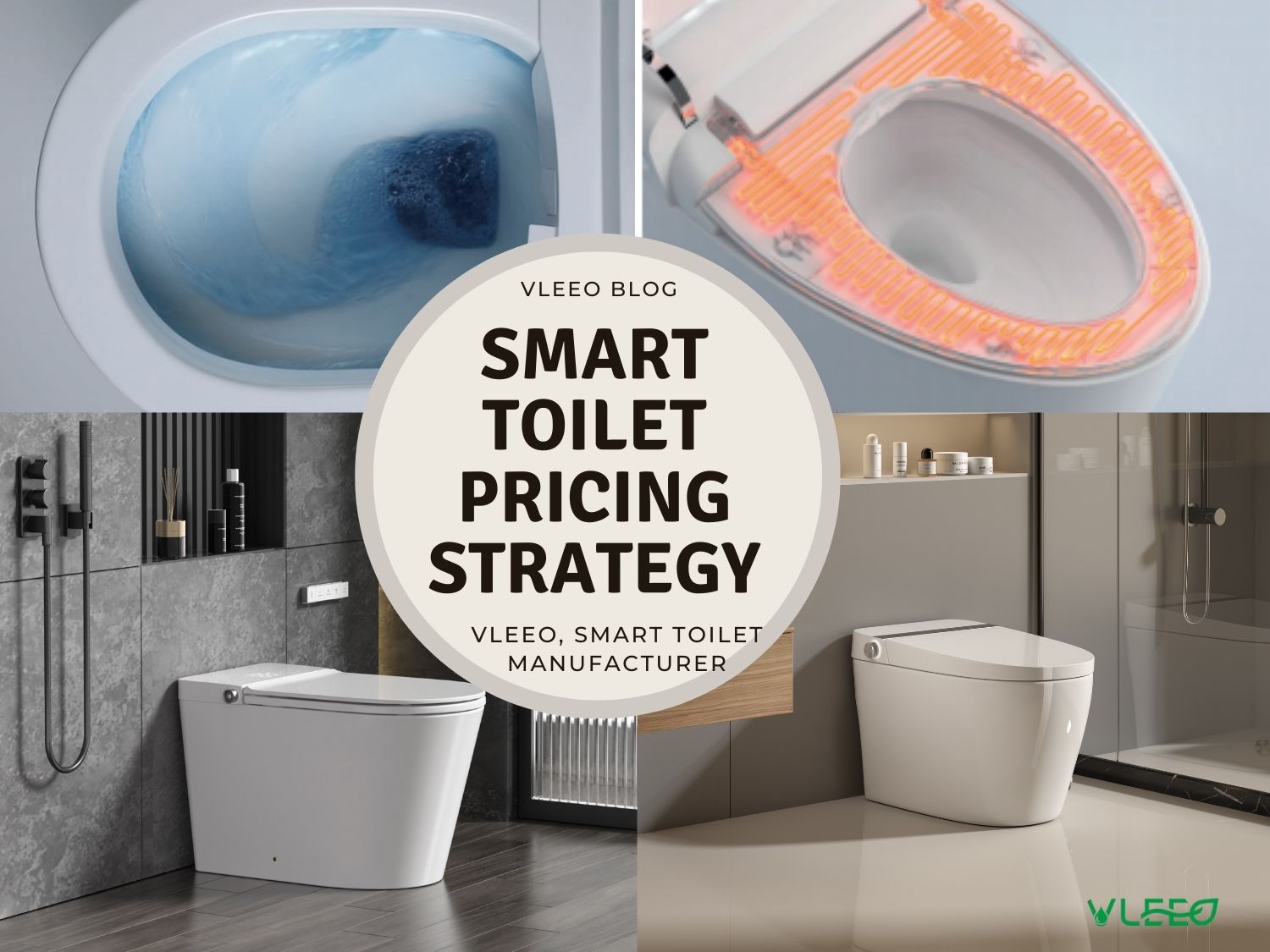
Smart Toilet Pricing Strategy for Wholesalers: How to Present Solutions to Retailers
Smart toilet pricing strategy is becoming a standard choice in modern bathrooms. More wholesalers, distributors, retailers, builders, and project buyers are joining this trend across the US, Europe, North America, and South America.
But pricing smart toilets is tricky. Not because the product is complicated — but because the value is.
Smart toilets sit between:
- A regular toilet
- A home appliance
- A hygiene product
So retailers need more explanation. Builders want numbers. Developers care about long-term savings. And wholesalers must connect all of this into a clear pricing story.
In this guide, I’ll walk you through how to price smart toilet solutions simply, clearly, and confidently — without sounding too salesy or too technical.
Let’s break it down.
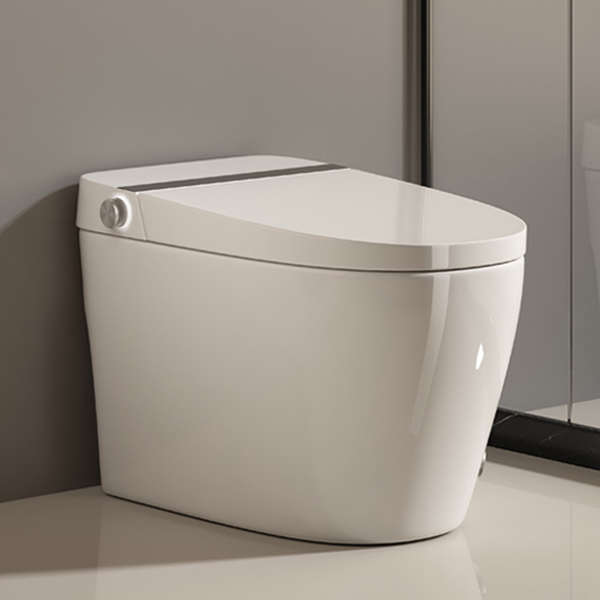
1. Why Smart Toilet Pricing Strategy is Essential
Smart toilets aren’t priced like regular toilets. Retailers know this, but many first-time buyers still need guidance.
Here’s why smart toilet solutions deserve their own pricing logic:
1.1 Smart toilets are “value-first,” not “price-first.”
People don’t buy them only because they’re cheap or expensive.
They buy because they want comfort, safety, and convenience.
1.2 Installation time changes the real cost.
If a toilet takes only 30 minutes to install, retailers save money.
If it takes 90 minutes, they lose money.
1.3 Certifications influence both trust and price.
Especially in the US and Europe, Home Depot’s toilet buying guidelines show how much compliance matters.
1.4 Buyers compare features online.
Block Renovation says smart toilets are growing because people want upgraded hygiene and comfort:
So your pricing must show value, not only numbers.
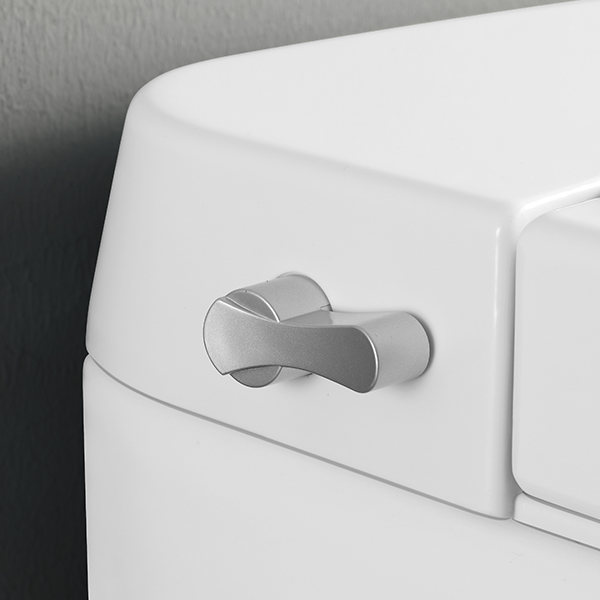
2. Core Pricing Models Wholesalers Should Use in
There are four simple pricing models wholesalers can use.
2.1 Cost-Plus Pricing
Add a margin on top of the cost.
Simple, but not strategic.
2.2 Value-Based Pricing
Price based on the experience:
comfort, convenience, cleaning, design.
2.3 Tiered Pricing
Offer different levels:
- Entry
- Standard
- Premium
This helps retailers explain differences easily.
2.4 Channel-Based Pricing
Your price may differ for:
- Retail stores
- Online shops
- Distributors
- Builders
- Project developers
Pricing flexibility = more deals.
3. Building a Clear Smart Toilet Pricing Strategy Ladder (Good → Better → Best)
Retailers love simple product categories.
Here’s how to build a smart toilet solutions ladder.
3.1 GOOD — Entry / Non-Electric / Semi-Smart
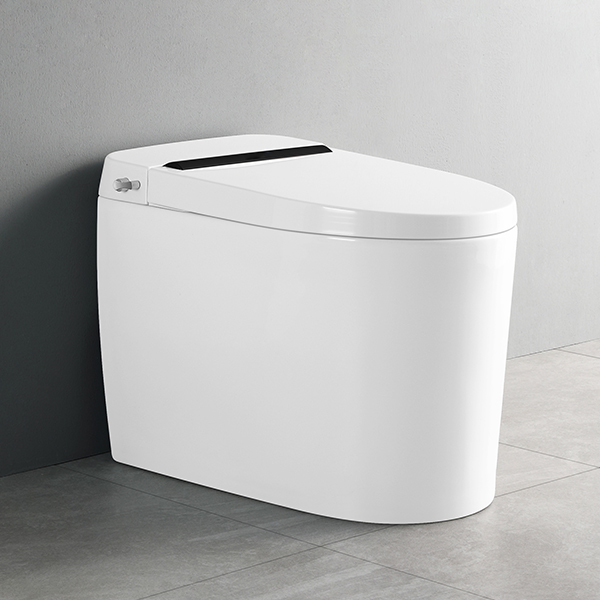
Great for older buildings and price-sensitive markets. Vleeo’s semi-smart toilet CL-619 can be a good choice.
3.2 BETTER — Smart Toilet Seats or Entry-Level Smart Toilet
Quick upgrades with high value are smart toilet seats like CL-K2, without changing the toilets.
And you can also introduce models like the Entry Smart Toilet CL-616, designed for residents who want to try the full-function smart toilets at an affordable price.
3.3 BEST — Premium Full Smart Toilets
These include:
- Warm water
- Dryer
- Auto open
- Auto flush
- Self-cleaning
- Heated seat
Perfect for hotels, luxury apartments, and modern homes.
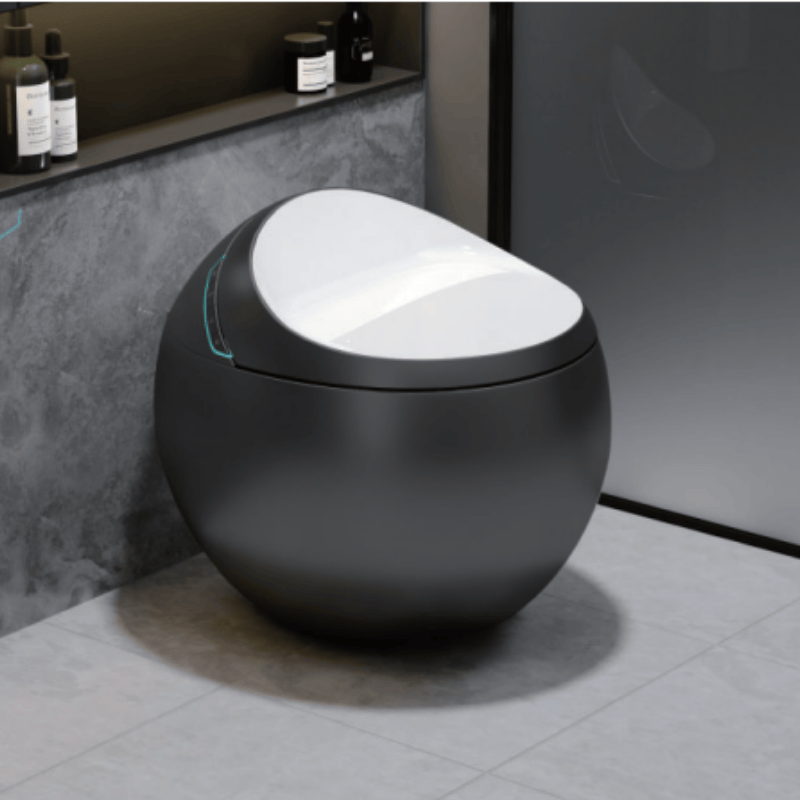
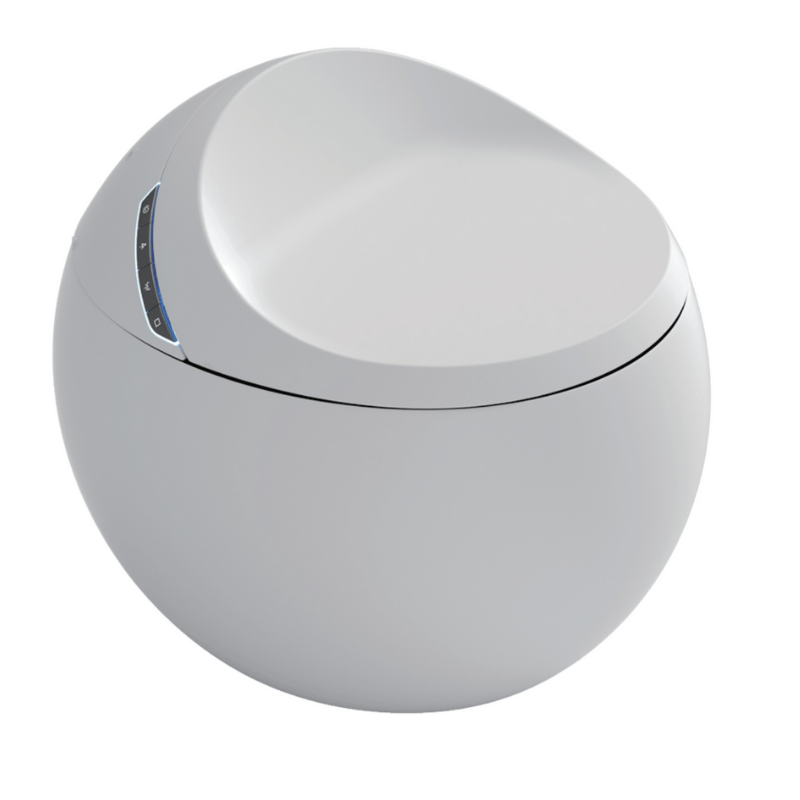
A stylish option is the WL-1015 Egg Shape Smart Toilet, known for its compact and fashionable design.

4. How Wholesalers Can Present Value Before Sharing Price
When you explain value first, price becomes easier to accept.
4.1 Show installation time
Retailers want efficiency.
4.2 Explain certifications simply
Example: “cUPC certification is required for many US commercial projects.”
4.3 Talk about reliability
Retailers worry about returns.
Builders worry about callbacks.
4.4 Highlight packaging strength
Shipping smart toilets requires strong protection.
4.5 Use real data
EPA’s WaterSense notes many modern toilets can save water every year.
Smart toilets help even more through controlled flushing.
When your claims have real sources, retailers trust you more.
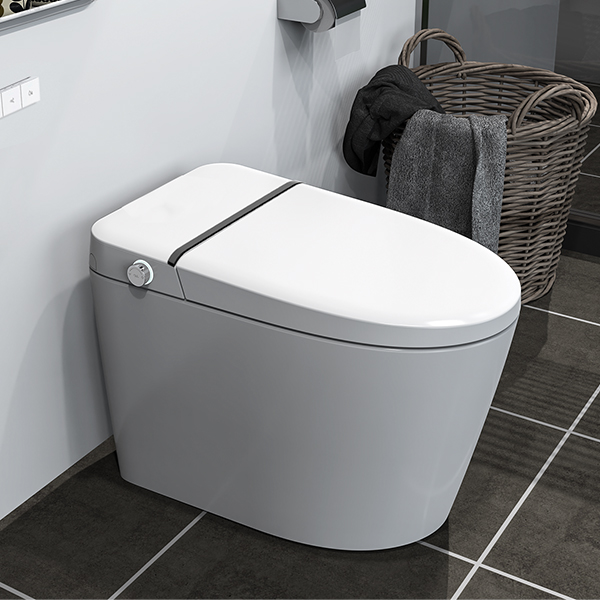
5. Bundling Smart Toilet Pricing Strategy (Higher Margin, Easier Sales)
Bundling makes products easier to understand and easier to sell.
5.1 Bundle Ideas:
- Smart toilet + installation kit
- Smart seat + standard toilet
- 5-unit contractor pack
- 20-unit apartment pack
- Seasonal renovation bundles
Bundles create clarity and raise your average order value.
6. Regional Smart Toilet Pricing Strategy
Here is a clear table wholesalers can use to compare regional market expectations.
6.1 Smart Toilet Solutions: Regional Pricing Strategy Table
| Region | Buyer Expectations | Price Sensitivity | Preferred Product Tier | Key Notes |
| North America (Canada + US) | Certifications, reliability, after-sales support | Medium | Mid → High | cUPC is essential for projects |
| Europe | Energy efficiency, compact design, wall-hung units | Medium–High | Mid → High | Strong interest in sustainability |
| South America | Basic functions, durability | High | Entry Level | Value-driven market. Wide opportunity for non-electric units |
| Asia | Basic functions, Economic | High | Semi-Smart→Entry Level | Price-sensitive market. Some hot areas do not require warm seat |
This table helps wholesalers talk about pricing strategy instantly without long explanations.
7. What Retailers Actually Need From Wholesalers
Retailers are not only buying smart toilet solutions — they’re buying confidence.
Here’s a clear table showing exactly what they want.
7.1 What Retailers Need From Wholesalers
| Retailer Need | Why It Matters | How Wholesalers Should Provide It |
| Simple pricing ladder | Easy to explain in-store | Use Good-Better-Best structure |
| Clear margin breakdown | Retailers need predictable profits | Give transparent wholesale tiers |
| Product training | Staff must answer questions | Provide training sheets/videos |
| Installation guidance | Faster installs = lower cost | Provide step-by-step guides |
| Reliable warranty | Reduces return risk | Offer clear terms and spare parts |
| Fast shipping | Inventory turnover | Maintain local stock if possible |
| Demo units or samples | Boosts in-store trust | Offer discounted display units |
This table makes retailer psychology simple and practical.
8. How to Present Pricing Without Causing Sticker Shock
Smart toilets are still new in many places.
So some buyers feel unsure at first.
Here’s how to avoid that.
8.1 Talk about features first
Price later.
8.2 Break down long-term value
Energy savings.
Water savings.
Comfort.
Fewer callbacks.
8.3 Provide pricing tiers
A clear ladder removes confusion.
8.4 Use volume pricing
20, 50, 100-unit tiers feel “fair” to retailers.
8.5 Show comparisons
Not all smart toilets are equal — and that’s normal.

9. Creating a Retailer-Focused Offer Sheet
A strong offer sheet can close deals for you.
9.1 Your offer sheet should include:
- One-page overview
- Key features
- Certifications
- Installation notes
- Warranty
- Volume pricing tiers
- Retail talking points
- QR code linking to spec sheet
This helps retailers sell smarter and faster.
10. How Builders and Project Developers Think About Pricing
Builders have different priorities from retailers.
They focus on:
- Total cost of ownership
- Installation time
- Spare-parts availability
- Standardization across units
- Aftercare support
- Compliance
- Lead time
So your pricing pitch should highlight:
- Bulk order savings
- Project BOM lists
- Faster installation
- Long-term performance
- Easy service access
- Spare-part kits
Speak their language.
11. Conclusion
Smart toilet solutions are growing. Fast. Wholesalers who understand pricing — and can explain value clearly — win the market.
In 2025, success for wholesalers comes from:
- Clear pricing ladders
- Strong value storytelling
- Simple retailer communication
- Region-specific thinking
- Reliable support
- Real data behind claims
When you help retailers and builders understand what they’re paying for, you don’t only sell toilets.
You build partnerships.
And partnerships grow markets. Let’s do better together in the new year.