-
Guxiang Town, Chaozhou City,Guangdong Province, China

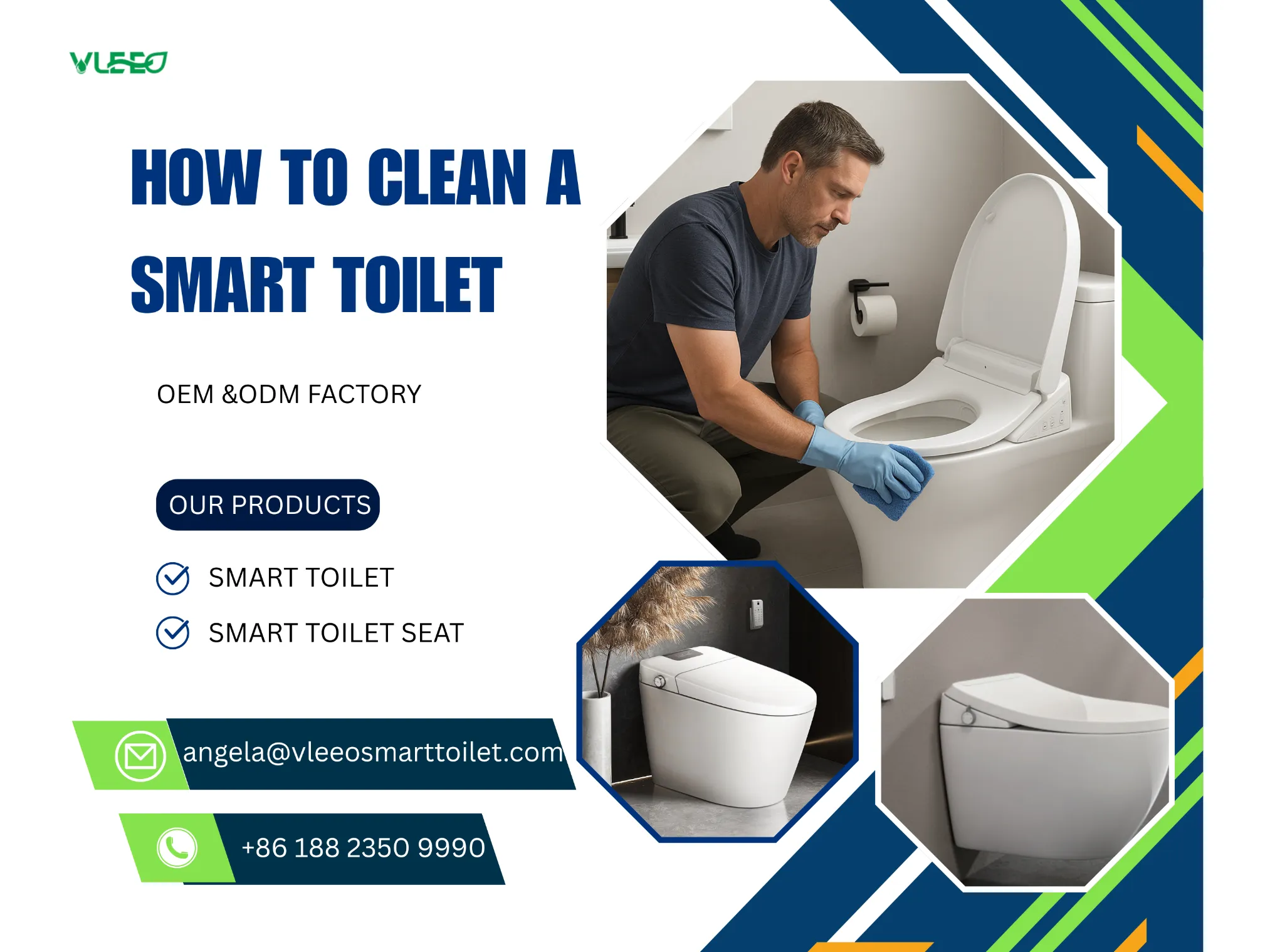
How to Clean a Smart Toilet: Complete Step-by-Step Guide for Beginners
Smart toilets are becoming a common feature in modern bathrooms because they offer comfort, hygiene, and convenience. But since they contain electronics, sensors, and bidet nozzles, learning how to clean a smart toilet properly is important for keeping it safe and working well.
Smart toilets are not hard to maintain. In fact, once you understand what to clean and what to avoid, the whole process becomes quick and simple. This guide breaks everything down into daily, weekly, and monthly steps so your smart toilet stays fresh and performs like new.
Why Cleaning a Smart Toilet Matters
Smart toilets offer more hygiene than traditional ones because they rely on sensors and water spray instead of touch. However, their advanced features need gentle care.
According to Brondell, regular nozzle cleaning is important for keeping the spray smooth and preventing clogs.
Kohler also explains that harsh chemicals—like bleach—can damage plastic parts and electronic surfaces in smart toilet.
Keeping your smart toilet clean not only protects it but also reduces odors and helps maintain a healthy bathroom environment.
Types of Smart Toilets
Smart toilets come with different features, and knowing your type helps you clean it properly.
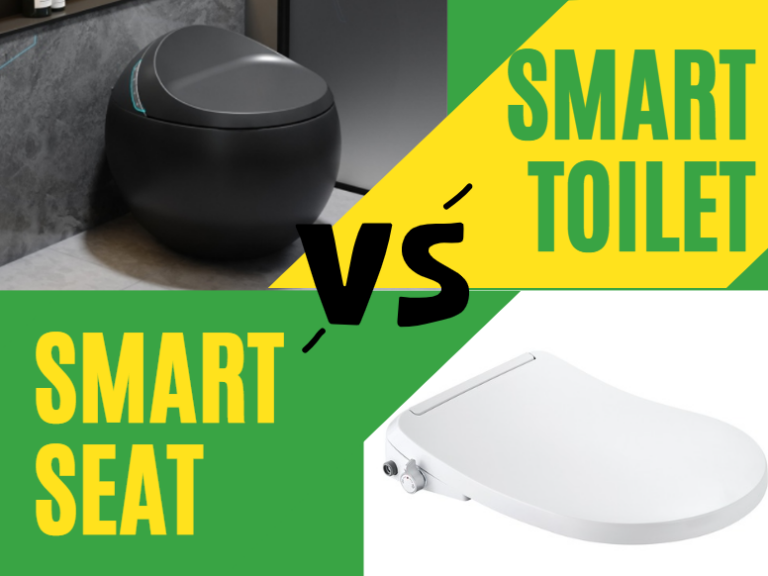
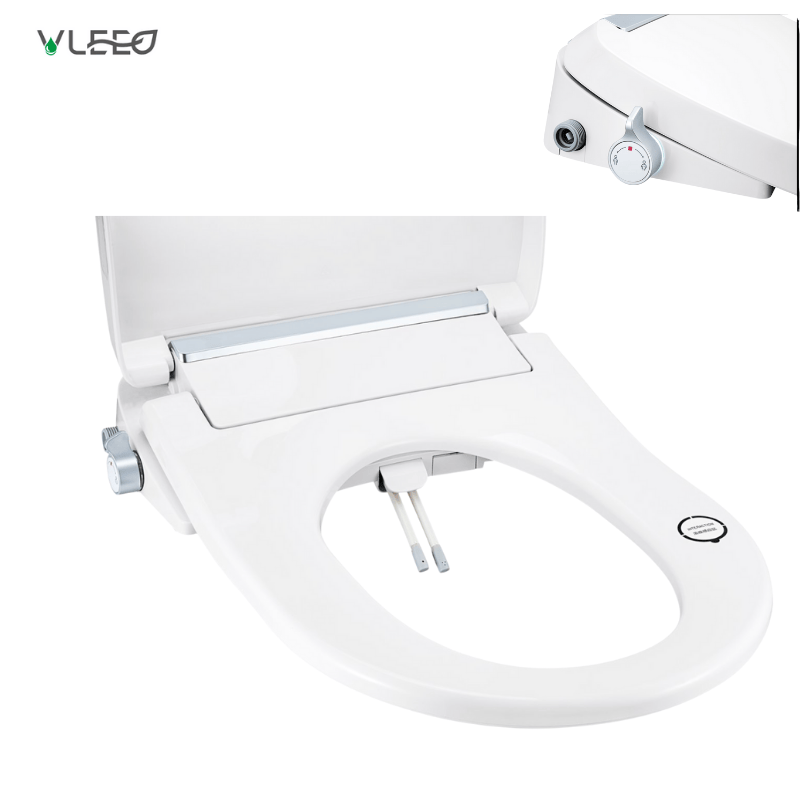
1. Bidet Toilets
These include a built-in water spray that replaces or reduces the need for toilet paper. They usually offer adjustable temperature and spray strength.
A popular example of this type is the Smart Bidet Toilet Seat CL-K2, which includes a self-cleaning nozzle and instant heating—making maintenance easier for families.
2. Intelligent Toilets
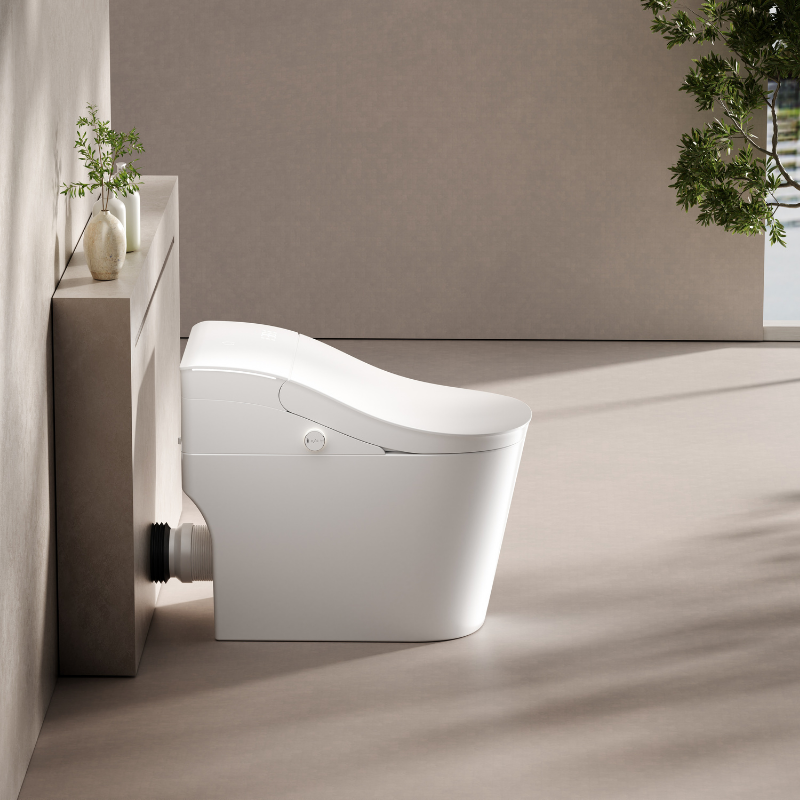
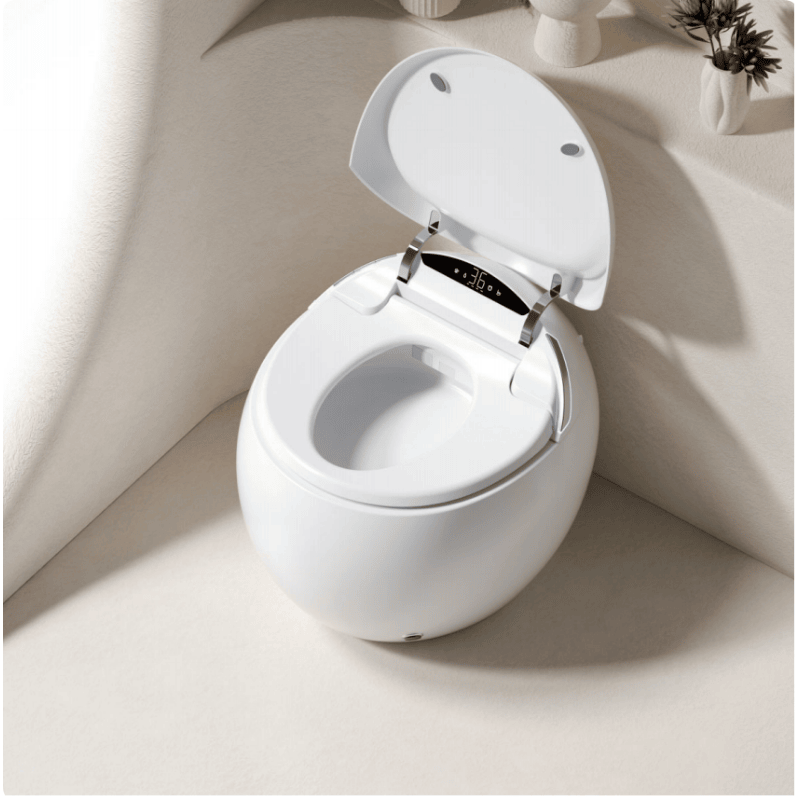
These advanced models may include automatic lids, self-cleaning nozzles, heated seats, night lights, and touch-free flushing.
If you prefer a complete all-in-one solution, the Vleeo Full-Feature Smart Toilet with auto flush and LED display is a great real-world example of this category: https://vleeosmarttoilet.com/full-feature-smart-toilet/
3. Eco-Flush Smart Toilets
These models use advanced flushing systems to save water.
4. Eco-Friendly Designs
Smart toilets naturally reduce toilet paper use, which helps the environment.
5. Accessibility-Friendly Smart Toilets
Some smart toilets are designed with foot sensors or simple controls for seniors or users with limited mobility.
Materials Used in Smart Toilets
Smart toilets combine several materials, each requiring gentle cleaning.
Ceramic
This is the main bowl material because it is smooth and easy to clean.
Acrylic or Resin
These appear in lids and control panels. They can scratch easily, so avoid abrasive tools.
Stainless Steel
Common in spray nozzles and decorative parts.
Wood or Bamboo
Used for bathroom storage or trim around smart toilet zones.
Important Parts You Should Clean Carefully
A smart toilet includes sensitive components, such as:
- Bidet nozzle
- Control panel
- Heated seat
- Warm-air dryer outlet
- Water filter
- Auto-flush sensor
These should always be cleaned gently with non-abrasive materials.
⭐ How to Clean a Smart Toilet (Step-by-Step)
Daily Cleaning Routine
1. Turn Off the Power
Unplug the smart toilet seat or switch it off before cleaning.
2. Wipe the Outside Surfaces
Use mild soap and a soft cloth.
According to Kohler, gentle cleaning is the safest method for electronic toilet seats.
3. Clean Hard-to-Reach Areas
Dust collects around hinges, the back area, and the control panel.
4. Wipe Again with Clean Water
This removes leftover soap and keeps surfaces shiny.
5. Restore Power After Drying
Make sure everything is fully dry before plugging the toilet back in.
Weekly Maintenance
1. Clean the Bidet Nozzle
This is one of the most important steps when you clean a smart toilet.
Brondell recommends wiping the nozzle weekly or using the self-cleaning mode if available.
Nozzles on seats like the CL-K2 smart bidet toilet seat already include a self-cleaning function, which makes this step much easier.
2. Rinse the Water Filter
Many smart toilets include a small filter to keep water clean. Rinse it to maintain strong water pressure.
Monthly Maintenance
1. Remove Mineral Buildup
Hard water causes limescale. Mix white vinegar with water or use a gentle descaling cleaner.
2. Check the Power Connection
Loose wires or plugs can affect auto-flush or heating features.
3. Inspect Moving Parts
Open and close the lid, seat, and nozzle system to confirm smooth motion.
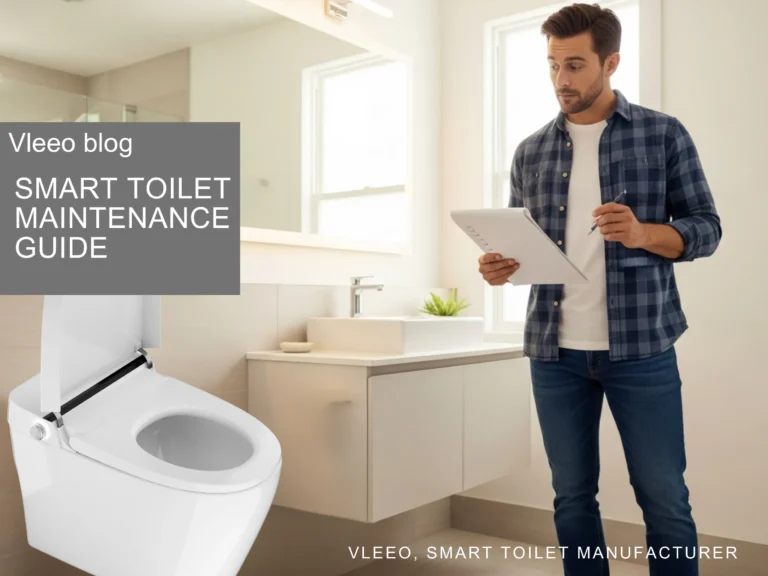
Vleeo’s maintenance guide also suggests checking the flush sensor monthly to keep it responsive.
Troubleshooting Simple Problems
Low Water Pressure
Often caused by a clogged filter—clean it and try again.
Nozzle Not Extending
Wipe the nozzle opening and restart the toilet.
Weak Spray
Check if the water pressure setting was changed accidentally.
Auto-Flush Not Working
Clean the sensor gently with a soft cloth and confirm power is connected.
Seat Not Heating
Many seats turn off heating automatically when not in use—toggle the setting again.
Good Habits for Cleaner Smart Toilets
You can keep your toilet cleaner longer by following a few simple habits:
- Keep the bathroom ventilated
- Flush properly
- Avoid splashing water on control panels
- Wipe accidental stains quickly
- Close the lid after use
These small habits improve hygiene and protect the toilet’s technology.
Environmental Benefits
Smart toilets help the environment by:
- Using less water
- Cutting down toilet paper use
- Reducing plumbing strain
- Lowering chemical use
- Reducing household waste
This makes smart toilets a great long-term choice for eco-friendly homes.
⭐ Frequently Asked Questions (FAQ)
Q1: How often should I clean a smart toilet?
Do daily light cleaning, weekly nozzle cleaning, and monthly deep cleaning for best performance.
Q2: Can I use bleach to clean my smart toilet?
No. Bleach can damage sensors and plastic components.
Q3: How do I clean the bidet nozzle safely?
Use mild soap and a soft cloth. Or press the self-clean button if your model includes it.
Q4: Why is the water pressure low?
Usually the water filter is clogged. Remove and rinse it.
Q5: Why is the sensor not working?
Wipe the sensor area gently. Dust or fingerprints can block detection.
Q6: Do smart toilets save water?
Yes. Smart toilets use controlled flushing systems that reduce water waste.
Q7: My toilet won’t flush automatically—what should I do?
Check the power, clean the sensor, and confirm nothing is blocking the front area.
Conclusion
Knowing how to clean a smart toilet makes maintenance simple and stress-free. A few minutes a day keeps your toilet fresh, hygienic, and functioning like new. With gentle cleaning, regular nozzle care, and monthly check-ups, your smart toilet will continue providing comfort for many years. Contact Vleeo team for videos of product features, installation, and maintenance, etc.