-
Guxiang Town, Chaozhou City,Guangdong Province, China

Anti-Siphon Toilet Explained: How It Prevents Backflow & Odor
When people talk about toilet flushing systems, most focus on flush power or water consumption.
But there is another factor that quietly affects hygiene, odor control, and long-term reliability.
That factor is anti-siphon design.
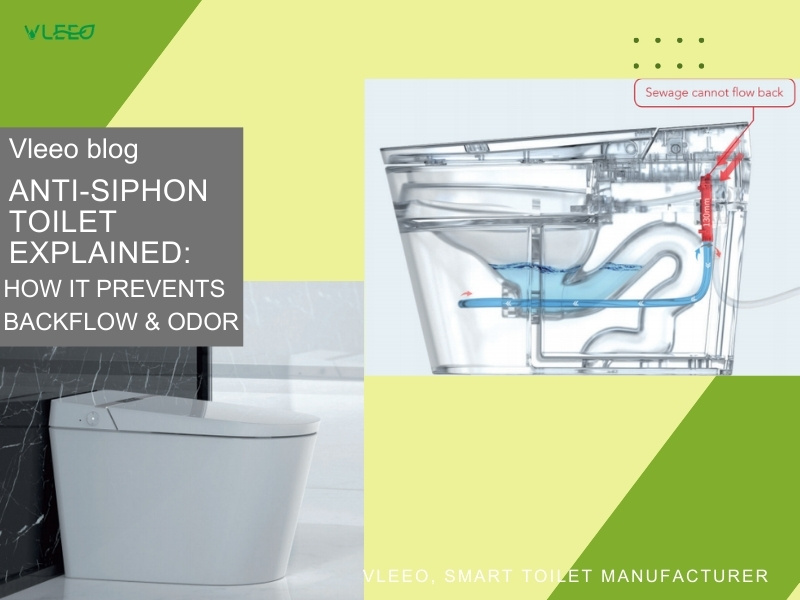
An anti-siphon toilet is engineered to prevent unwanted siphoning during flushing—protecting the water seal, improving waste removal, and reducing backflow risks.
In modern bathrooms, especially smart and water-efficient toilets, anti-siphon technology is becoming increasingly important.
What Does “Anti-Siphon” Mean in a Toilet?
In simple terms, anti-siphon means preventing vacuum suction.
In traditional siphonic toilets, flushing relies heavily on creating a siphon effect inside the trapway. While effective, this can sometimes cause:
- Loss of water seal
- Backflow risk
- Odor leakage
- Inconsistent flushing
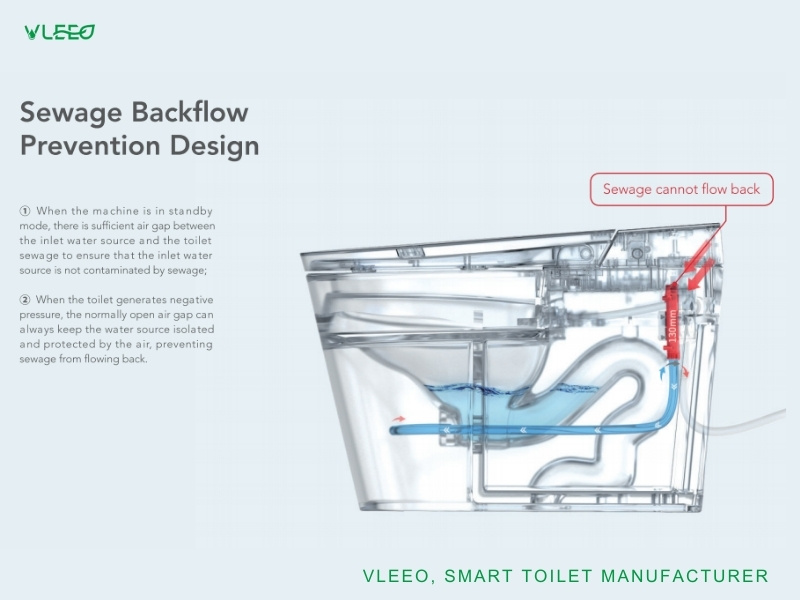
An anti-siphon toilet introduces controlled airflow into the system to stop unwanted vacuum formation.
According to research summarized by Stanford University’s Open Virtual Assistant Lab, the key difference lies in air pressure management inside the trapway.
A Brief History of Anti-Siphon Toilets
Anti-siphon technology didn’t appear overnight.
Early Developments
In the early 20th century, siphonic toilets became popular due to their quiet operation and strong flushing.
However, engineers soon noticed limitations:
- Water seal instability
- Sensitivity to plumbing conditions
Mid-20th Century Improvements
By the mid-1900s, plumbing designers began introducing vented trapway concepts to stabilize pressure and prevent siphoning.
Modern Anti-Siphon Toilets
Today, anti-siphon toilets are widely used in:
- High-end residential bathrooms
- Commercial buildings
- Water-efficiency projects
Their growth has accelerated with stricter water regulations and smart toilet adoption.
How an Anti-Siphon Toilet Works
Understanding anti-siphon design is easier when broken into steps.
1. Flushing Begins
Water enters the bowl and pushes waste toward the trapway.
2. Controlled Air Intake
A built-in vent introduces air into the trapway at a specific point.
This airflow:
- Prevents vacuum buildup
- Stabilizes pressure
- Stops unwanted siphoning
3. Waste Is Pushed, Not Pulled
Instead of relying on suction alone, waste is moved using water-driven force.
This is the core principle behind anti-siphon systems.
Why Anti-Siphon Design Matters for Hygiene
One of the biggest advantages of anti-siphon toilets is odor control.
When siphoning is uncontrolled:
- Water seals can weaken
- Sewer gases may escape
Anti-siphon toilets maintain a larger, more stable water seal, which blocks odors more effectively.
Plumbing system studies summarized in industry references such as Eco Actions indicate that stable trapway pressure plays a key role in reducing odor leakage and contamination risk.
Anti-Siphon vs. Traditional Siphonic Toilets
| Feature | Siphonic Toilet | Anti-Siphon Toilet |
| Flushing principle | Vacuum suction | Water force + air control |
| Water seal stability | Moderate | High |
| Backflow risk | Higher | Lower |
| Water efficiency | Moderate | High |
| Odor control | Good | Better |
Anti-siphon toilets typically use less water per flush while maintaining consistent performance.
Water Efficiency and Environmental Benefits
Many anti-siphon toilets operate at 1.28 gallons per flush (GPF) or less.
Compared to older 1.6 GPF or 6-liter systems, this results in:
- Significant water savings
- Lower utility costs
- Reduced environmental impact
Studies cited in Stanford’s plumbing research database show households can reduce toilet water usage by 20–30% with high-efficiency anti-siphon systems.
Anti-Siphon Design in Smart Toilets
Smart toilets place higher demands on flushing reliability.
Why?
Because features like:
- Automatic flushing
- Bidet systems
- Foam shields
- Sensor-controlled cycles
All rely on stable internal pressure.
That’s why many modern smart toilets integrate anti-siphon principles.
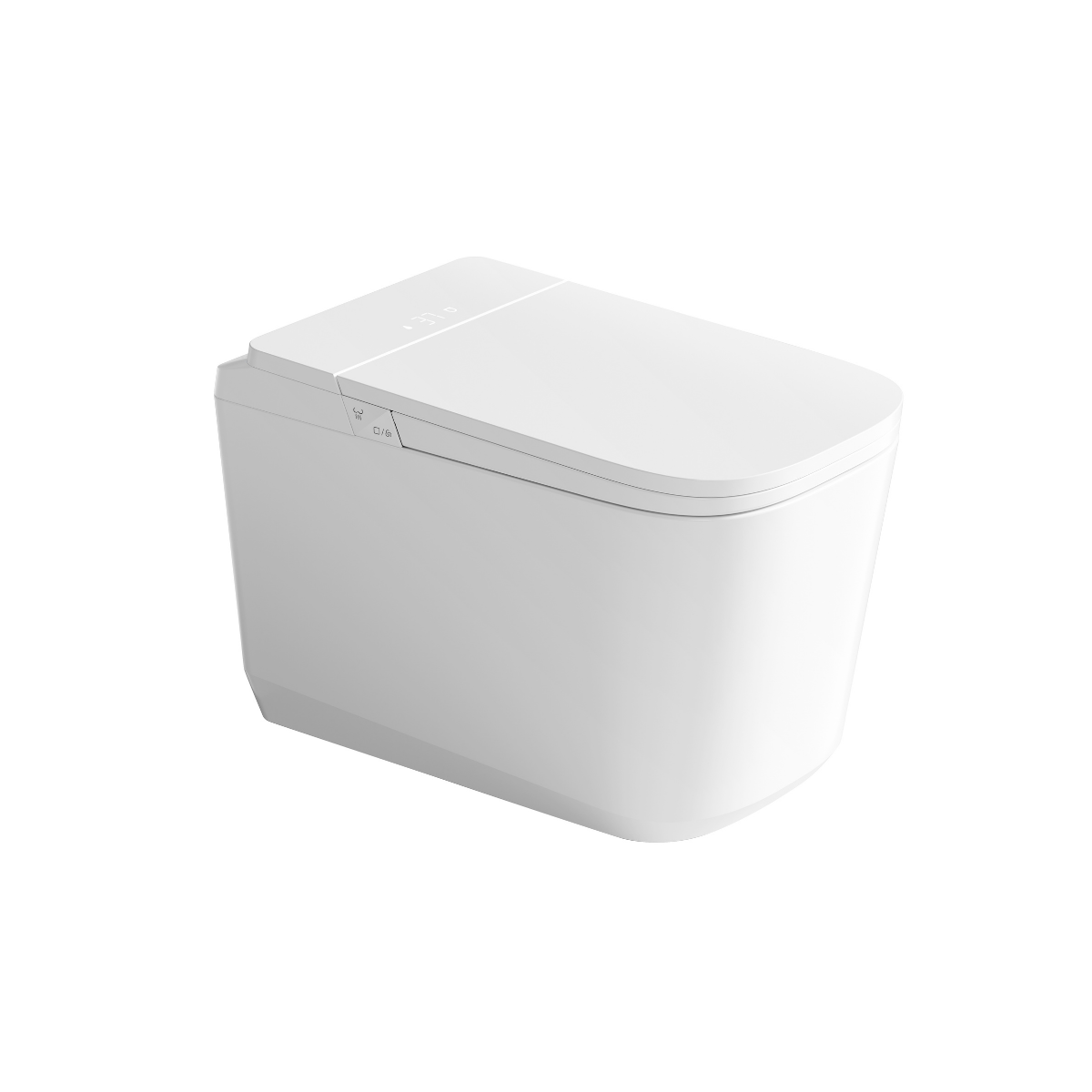
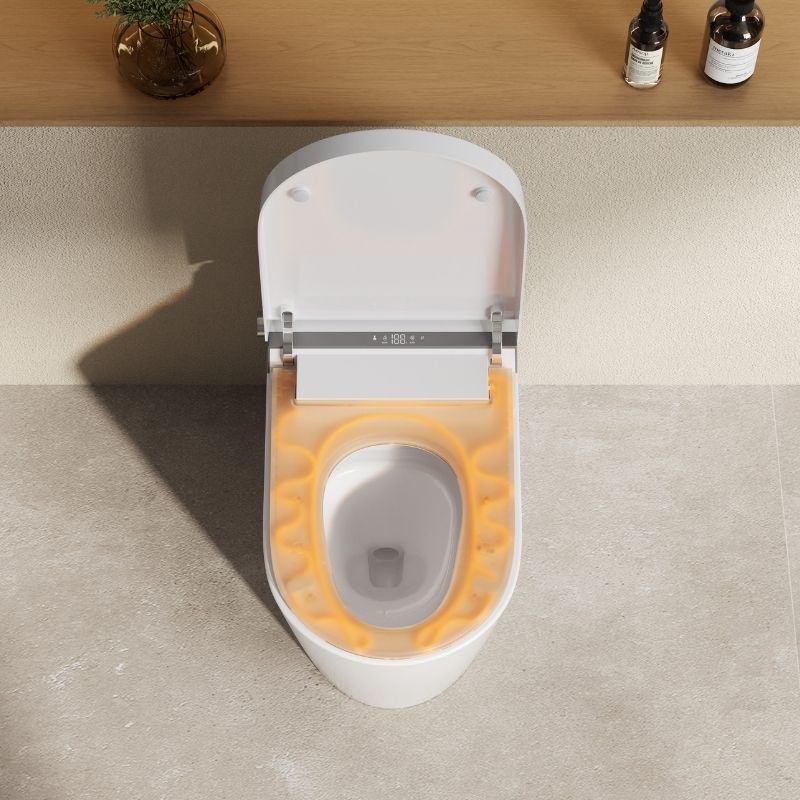
For example, the CL-630 Smart Flush Toilet with Bidet for Europe combines efficient flushing with pressure-stabilized trapway design to ensure consistent performance across different plumbing conditions.
Installation and Plumbing Compatibility
Anti-siphon toilets are designed to work with existing plumbing systems.
Key advantages include:
- Adjustable outlet positioning
- Compatibility with modern soil pipes
- Reduced retrofitting complexity
This makes them suitable for both new construction and renovation projects.
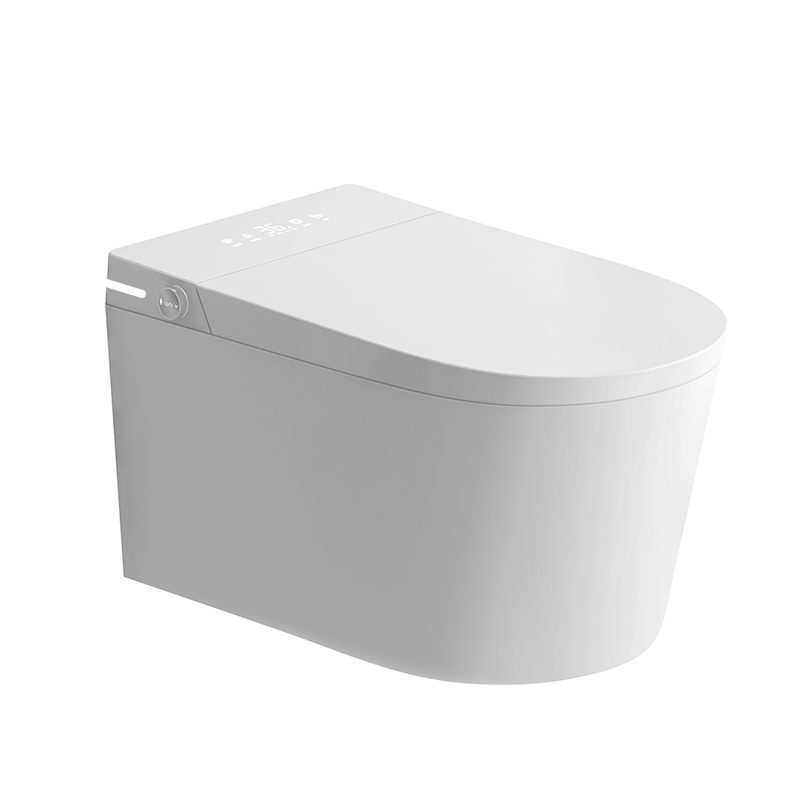
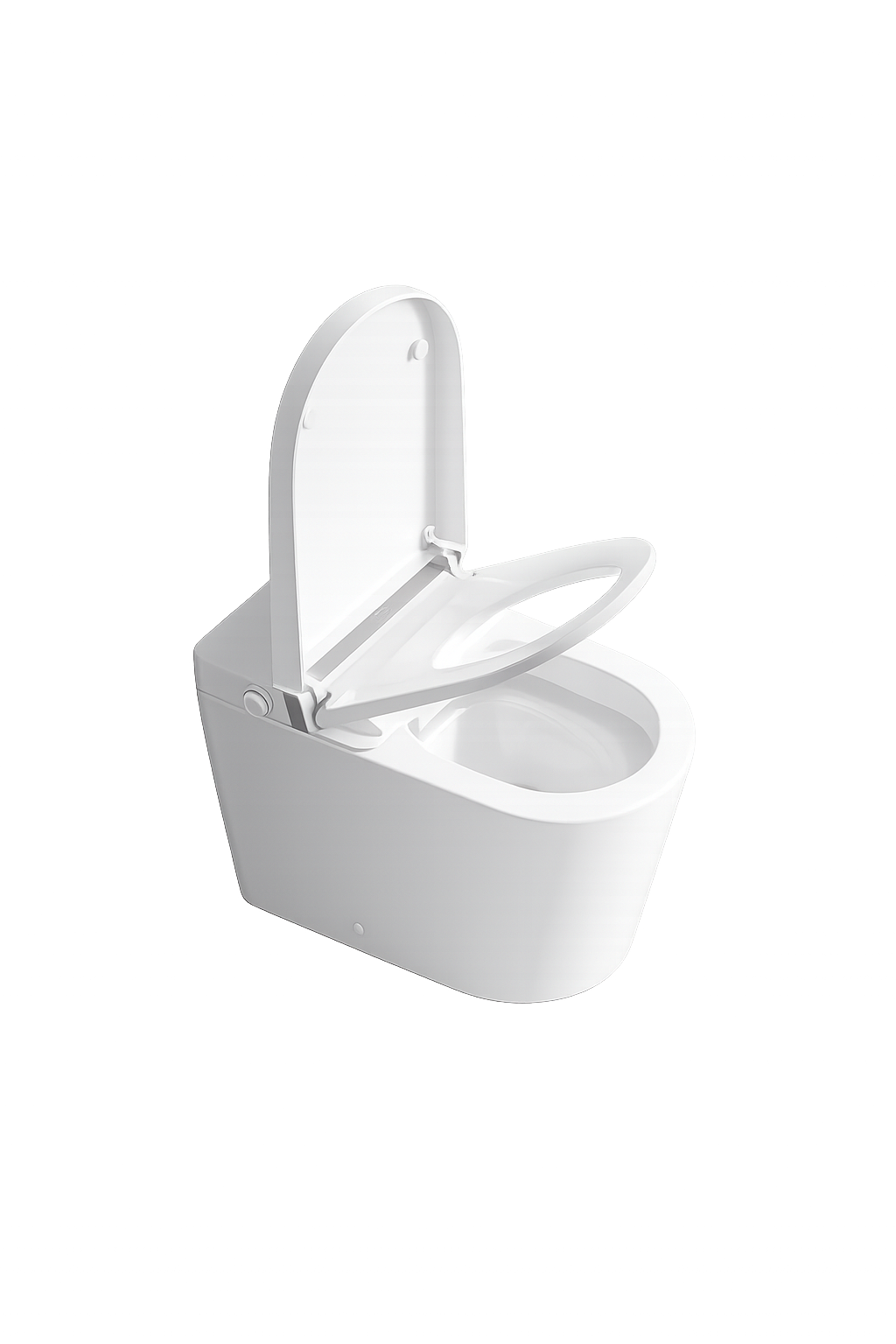
Models like the CL-721 10-inch Rough-In Smart Toilet are engineered to fit tighter installation conditions while maintaining anti-siphon performance.
Advantages of Anti-Siphon Toilets
According to compiled plumbing and sanitation studies referenced by EPA WaterSense, major advantages include:
- Strong and consistent flushing
- Reduced clogging risk
- Better odor control
- Lower noise levels
- Improved water efficiency
These benefits make anti-siphon toilets popular in:
- Hotels
- Offices
- Residential smart bathrooms
Potential Drawbacks to Consider
Anti-siphon systems are not without challenges.
Design Complexity
Additional vents and internal structures increase manufacturing complexity.
Maintenance Considerations
Improper installation or debris buildup can affect airflow performance.
Space Requirements
Some designs require slightly more internal space within the ceramic body.
That said, modern engineering has significantly reduced these issues.
Regulations and Standards
Many regions now require toilets to meet strict efficiency standards.
In the U.S. and EU:
- Maximum flush volume limits apply
- Water efficiency certifications (e.g., WaterSense) are encouraged
Anti-siphon toilets naturally align with these regulations due to their efficient flushing design.
Future Trends in Anti-Siphon Technology
Looking ahead, anti-siphon toilets are evolving with:
- Smart sensors
- Touchless flushing
- Real-time water monitoring
- Modular flushing systems
As cities grow denser and water becomes more valuable, pressure-stable flushing systems will play an even larger role.
FAQ: Anti-Siphon Toilets
Q1. What is the main purpose of an anti-siphon toilet?
To prevent unwanted siphoning, backflow, and odor leakage.
Q2. Are anti-siphon toilets better for water saving?
Yes, they typically use less water per flush.
Q3. Do anti-siphon toilets flush strongly?
Yes. They rely on controlled water force rather than suction alone.
Q4. Are anti-siphon toilets harder to maintain?
Not significantly, when properly designed and installed.
Final Thoughts
Anti-siphon design is not a gimmick.
It’s a practical engineering solution to real-world plumbing problems.
By controlling air pressure and stabilizing the trapway, anti-siphon toilets deliver:
- Better hygiene
- More reliable flushing
- Lower water consumption
In modern bathrooms—especially smart toilets—this technology is becoming a standard, not an upgrade. Contact us if you need anti-siphon toilets for your projects.