-
Guxiang Town, Chaozhou City,Guangdong Province, China

Non-Electric Bidet Guide: Better Hygiene Without the High Cost
I remember the first time I saw a bidet. It looked intimidating—like a piece of space technology sitting next to my toilet. But then I discovered the non-electric bidet. It’s the “mechanical pencil” of the bathroom world: simple, reliable, and it gets the job done without any fancy batteries or cords.
If you’re tired of the “wipe and hope” method or you’re worried about your environmental footprint, you’re in the right place. A non-electric bidet is a plumbing fixture designed for personal hygiene that operates entirely without electricity. It uses your home’s existing water pressure to give you a refreshing clean.
What Exactly is a Non-Electric Bidet?
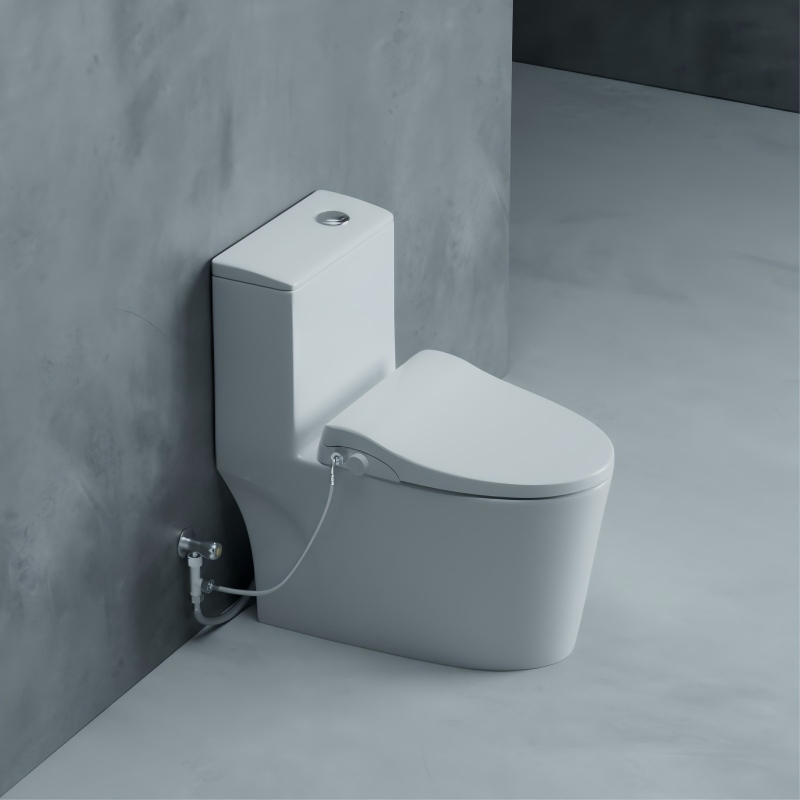
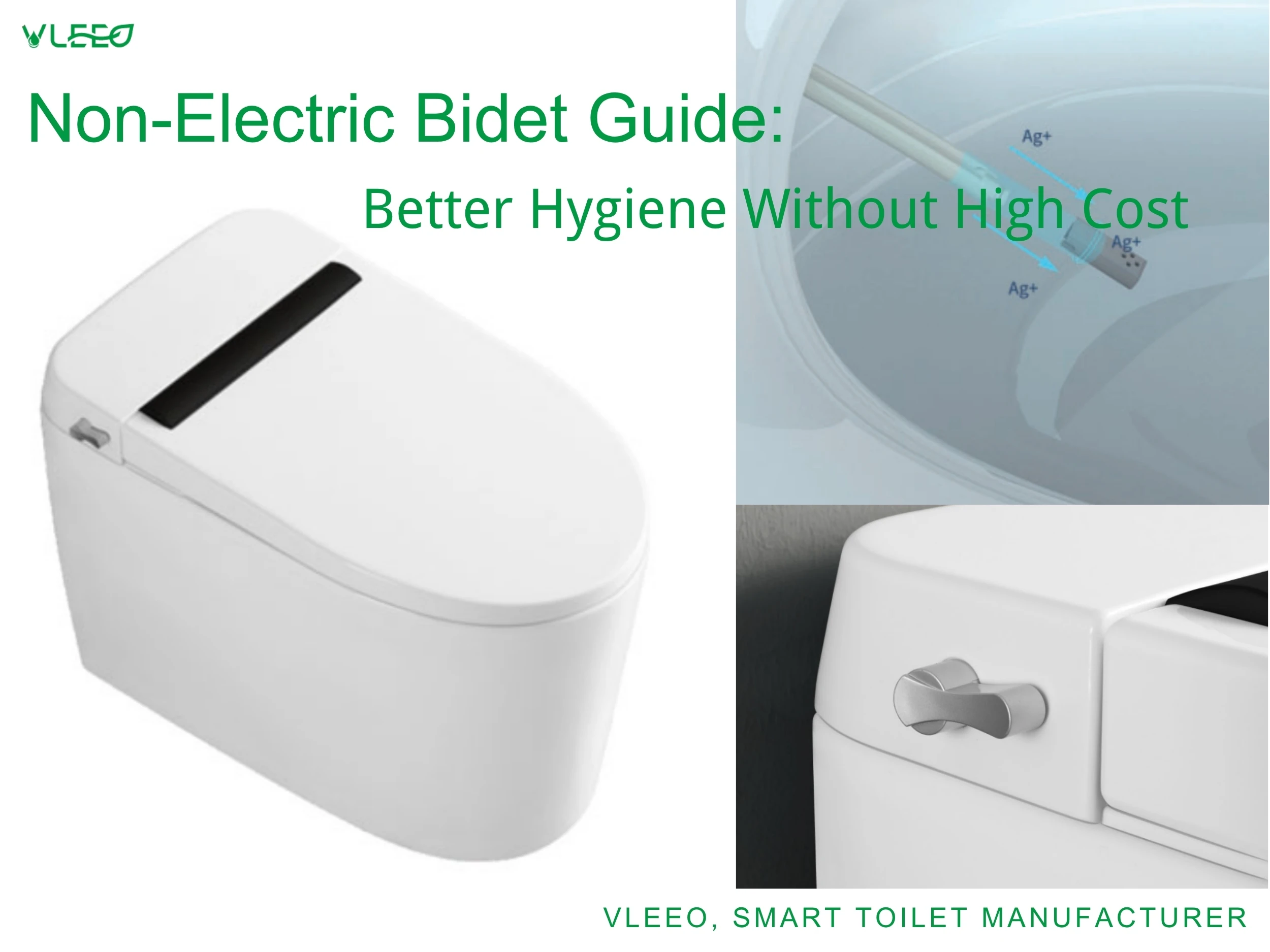
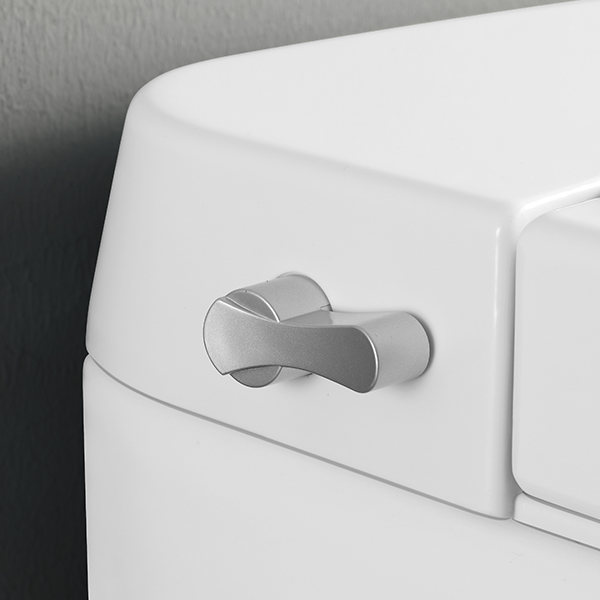
In plain English, it’s a nozzle that attaches to your existing toilet. Instead of a remote control or a heated seat, you have a simple dial or lever on the side. When you turn it, water sprays. When you turn it off, it stops.
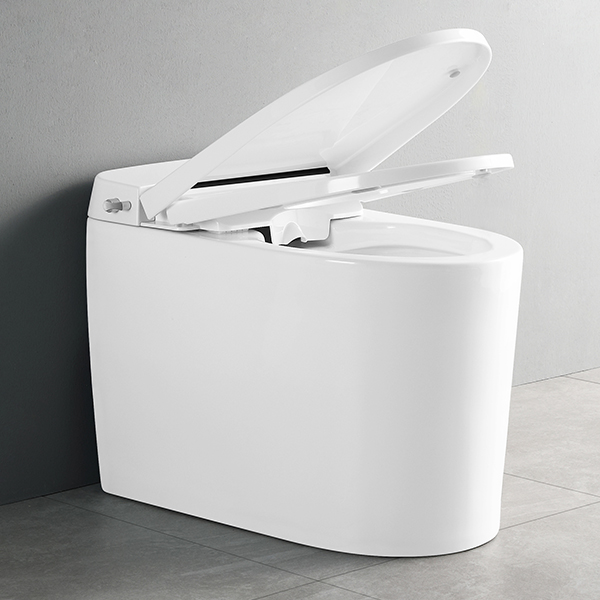
These devices are usually built right into the toilet seat or attached under it. Because they don’t have circuit boards or heating elements, they are incredibly thin and “low profile”. They won’t make your toilet look like a science experiment.
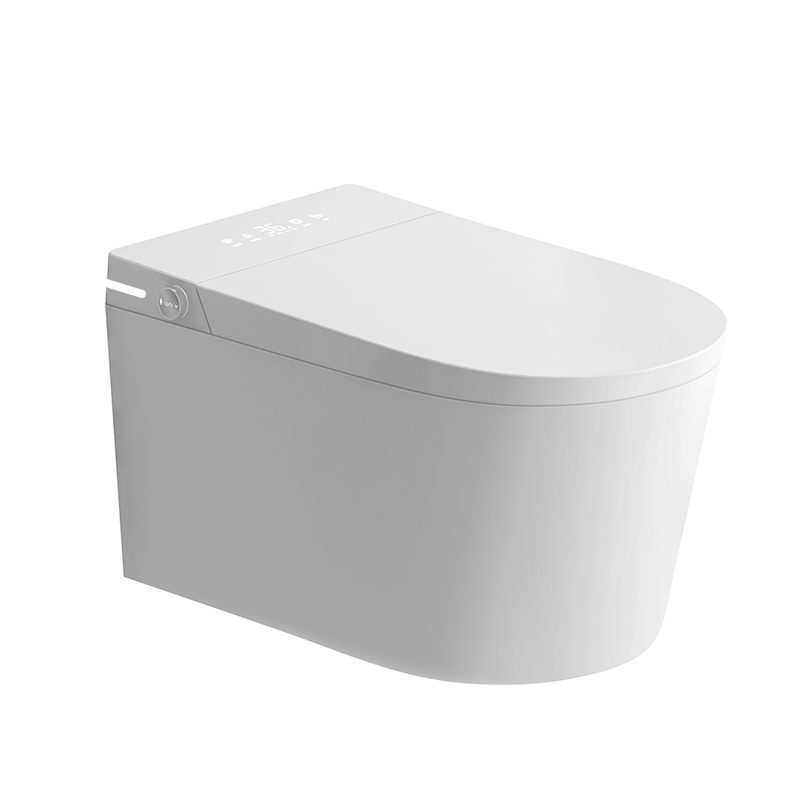
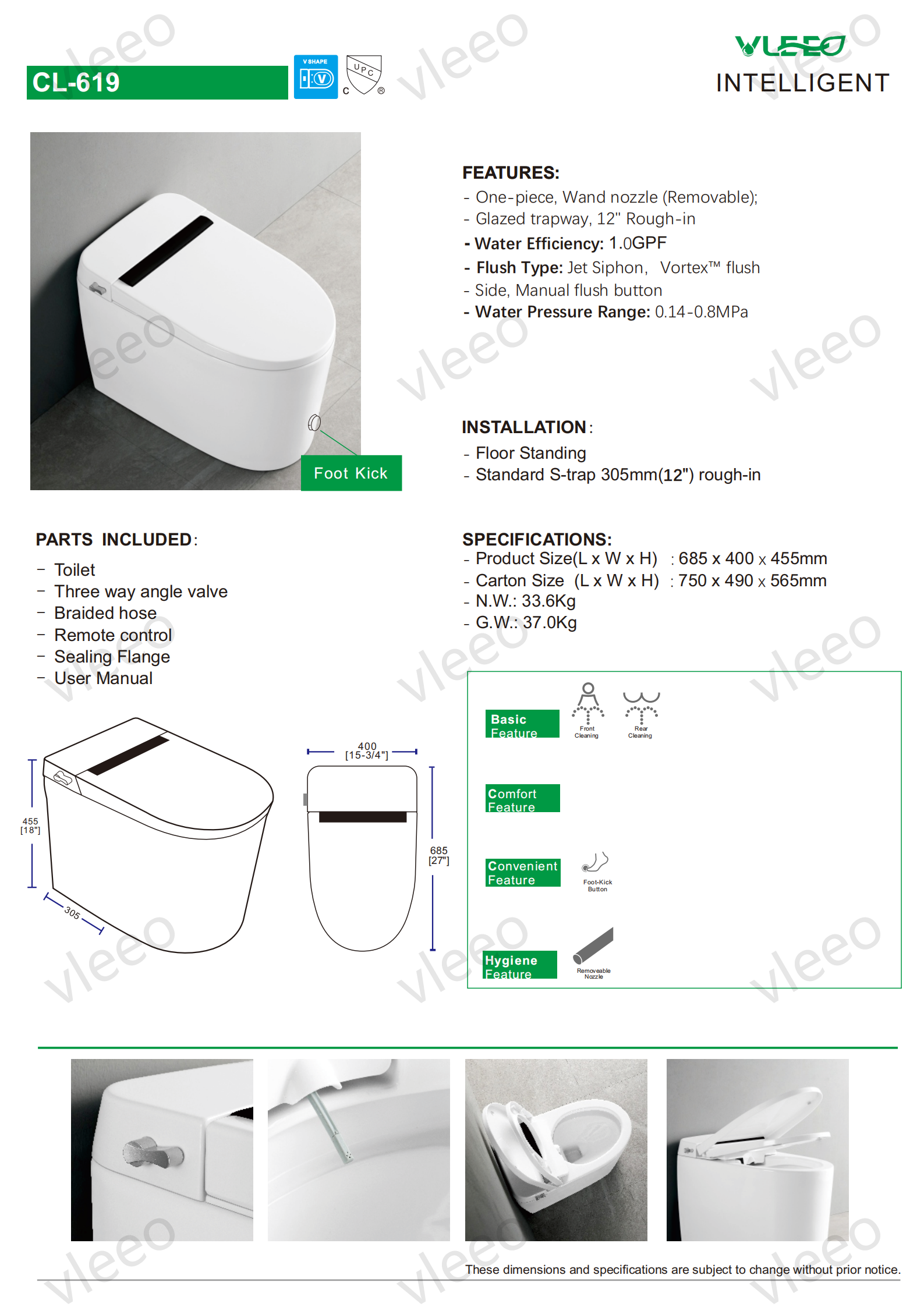
For those looking for a slim, high-performance option, the Non Electric Bidet CL-619 by Vleeo OEM is a fantastic example of how modern design meets manual simplicity.
Why People Are Making the Switch
Let’s talk about the “elephant in the room”: toilet paper. It’s scratchy, it’s expensive, and it’s actually not that great at cleaning. Using water is just more effective. Think about it—if you got mud on your arm, would you just rub it with a dry paper towel until it disappeared? Probably not. You’d wash it.
Here are a few reasons why a non-electric bidet might be the best roommate you’ve ever had:
- It Saves You Money: Households can save between $100 and $200 every year by buying less toilet paper.
- It’s Better for the Planet: It takes about 37 gallons of water to make one single roll of toilet paper.
- Minimal Water Use: A bidet typically only uses about 0.125 gallons of water per use.
- No Plumber Needed: Most of these can be installed in under an hour with just basic hand tools.
- Superior Hygiene: Water is much gentler on sensitive skin and helps prevent issues like infections or hemorrhoids.
Comparison: Manual vs. Electric Bidets
| Feature | Non-Electric Bidet | Electric Smart Bidet |
| Power Source | Water Pressure | Wall Outlet |
| Water Temp | Ambient/Cold | Heated/Adjustable |
| Installation | 15–30 Minutes | Requires Outlet |
| Price | Very Affordable | Premium Investment |
| Maintenance | Low (Fewer parts) | Higher (Electronics) |
How the Magic Happens: Design and Functionality
Non-electric bidets are designed for people who appreciate simplicity. Most models feature a nozzle located at the back of the bowl. When you rotate the control lever, the nozzle releases a stream of water.
The Manual Control
The beauty of manual operation is that you are in total control. You can turn the knob just a fraction for a gentle mist or all the way for a powerful stream. This is a huge benefit in places like Brazil, where “duchas higiênicas” are famous for having surprisingly strong pressure that users love.
Water Pressure and Source
Most non-electric models utilize cold water. While “cold water” might sound scary, many users find it refreshing and invigorating once they get used to it. The actual strength of the spray depends on your home’s plumbing system. If you have high water pressure at your sink, you’ll likely have great pressure at your bidet.
Hygiene and Health: More Than Just Feeling Fresh
I’ve found that many people consider bidets a luxury, but they are actually a health tool.
1. Sensitive Skin Care
Dry wiping can cause irritation. Water provides a “no-rub” clean that is essential for those with sensitive skin, or people recovering from surgery or childbirth.
2. Infection Prevention
Using a bidet is much more effective at removing bacteria than paper alone. This can lead to a significant reduction in urinary tract infections and discomfort.
3. Self-Cleaning Features
You might wonder, “Doesn’t the nozzle get dirty?” Most modern non-electric bidets, like the Non Electric Bidet Toilet CL-619, include a self-cleaning feature. The nozzle rinses itself with fresh water during flushing, ensuring everything stays sanitary.
The Environmental Impact: Saving Trees with Every Flush
We don’t often think about the forest when we’re in the bathroom, but the connection is huge.
- Toilet Paper Waste: Households that switch to a bidet can cut their paper use by up to 75%.
- Water Usage: It sounds counterintuitive, but using a bidet saves water. Because it takes so much water to turn a tree into a roll of paper, the tiny amount used for a quick spray is a massive net win for the planet.
According to global environmental perspectives found on Wikipedia (wikipedia.org), making the switch is one of the easiest ways to lower your ecological footprint at home.
Global Perspectives: Why Isn’t Everyone Using One?
It’s fascinating how different parts of the world view the bathroom. In Italy and Japan, a bidet is an essential fixture. In the Philippines, nearly 53% of rental homes have them because the culture prioritizes cleanliness.
In the West, however, there’s been some resistance due to unfamiliarity. But as we become more eco-conscious and hygiene-focused, the Western world is finally catching on. Educational steps to highlight the benefits are helping people realize that water is simply better than paper.
Installation 101: You Can Do This
You don’t need to be a DIY expert to install a non-electric bidet.
- Shut off the water: Turn the valve behind your toilet all the way to the right.
- Drain the tank: Flush the toilet until the tank is empty.
- The T-Valve: Unscrew the flexible hose from the toilet tank and attach the “T-valve” provided with your bidet.
- Connect the Hoses: Reconnect the original hose and add the new bidet hose to the T-valve.
- Secure and Test: Tighten connections and turn the water back on.
Pro Tip: Always use a little bit of Teflon tape on the metal threads. This acts like a seal to prevent those tiny, annoying drips. You can find more technical advice on plumbing standards via the World Toilet Organization.
FAQs: Everything You’re Too Shy to Ask
Q1: Does the water feel freezing cold?
Since it uses the same water that goes into your tank, it’s usually ambient or cool. Most people find it refreshing rather than shocking.
Q2: Will it fit my toilet?
Most non-electric bidet seats are designed to be universal. However, you should check if your toilet is “Round” or “Elongated” to ensure a proper seat support.
Q3: Is the spray too strong?
Because the control is manual, you decide the strength. You can go from a whisper-soft mist to a firm spray just by turning the dial.
Q4: Is it hard to keep clean?
Actually, it’s easier than an electric one. Many models have self-cleaning nozzles that actuate automatically, and routine care just involves mild cleaners.
Is a Non-Electric Bidet Right for You?
If you want the cleanest feeling possible without spending hundreds of dollars on electrical work, then yes—a non-electric bidet is a perfect choice. It’s a small investment that pays for itself in toilet paper savings within the first year.
Whether you choose a streamlined model like the CL-A101U or a more traditional seat like the CL-A100V, you’re making a choice that is better for your wallet, your body, and the planet.