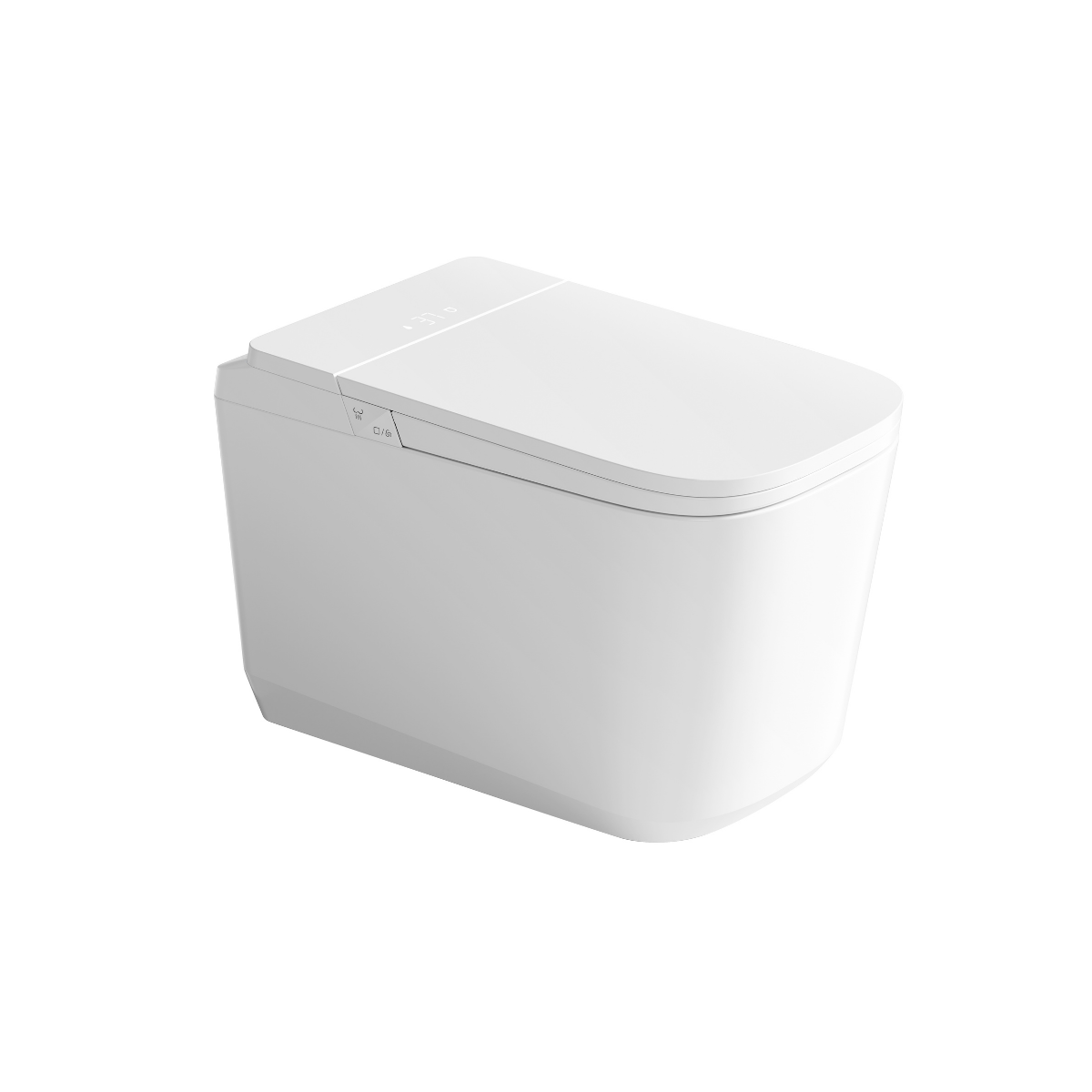
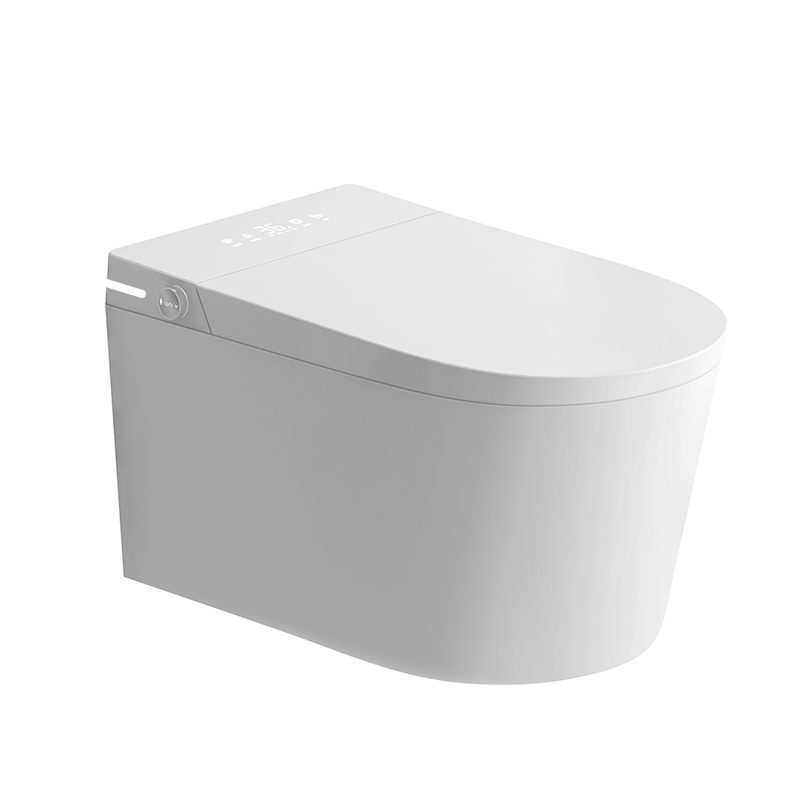
-
Guxiang Town, Chaozhou City, Guangdong-provinsen, Kina

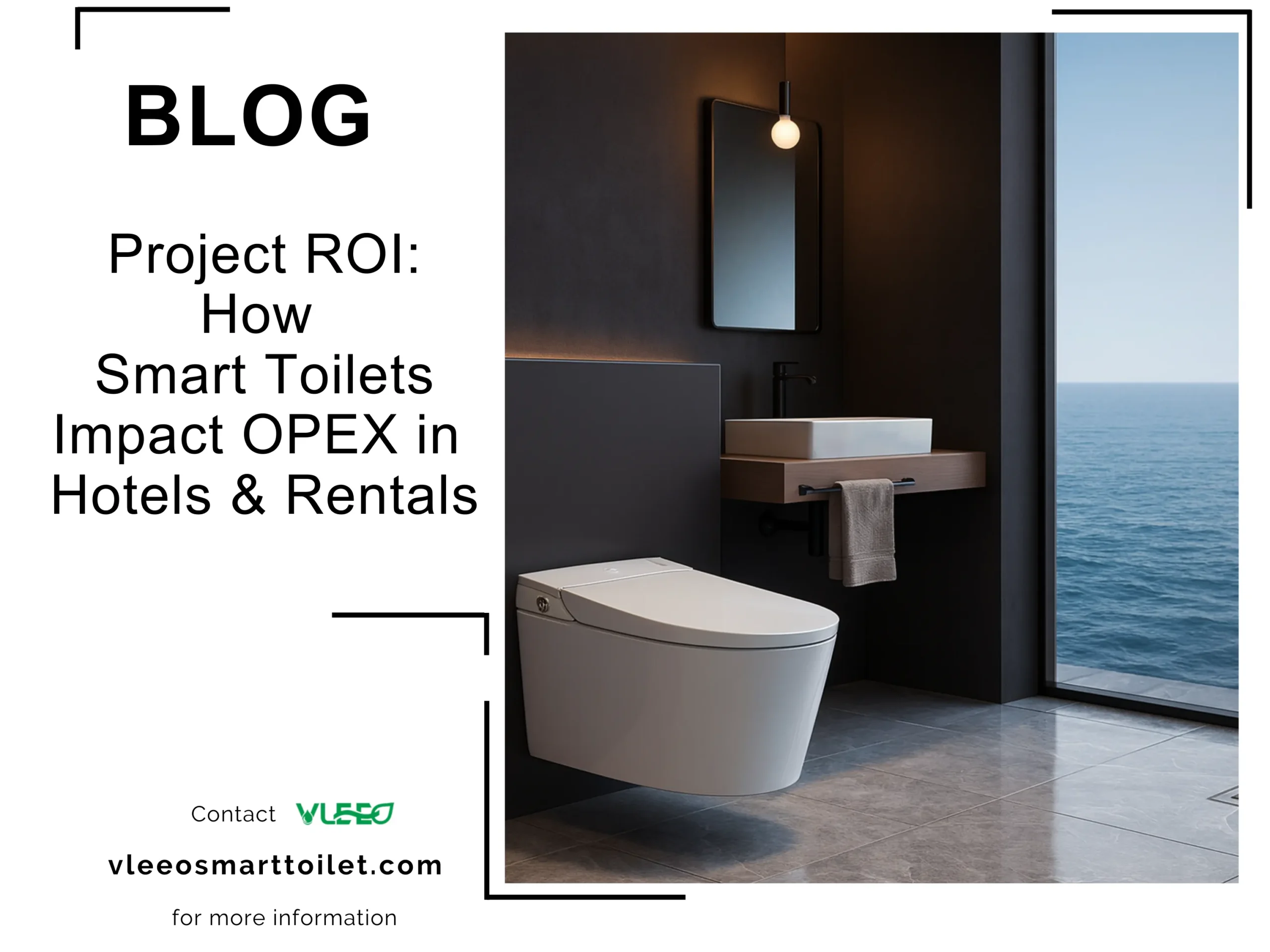
ROI for intelligente toiletter: Hvordan smarte toiletter giver målbart afkast til hoteller og udlejningsfirmaer
A Reel ROI, tidslinjer og indsigt i sourcing fra kinesiske producenter.
Introduktion: Hvorfor smart toilet-ROI betyder noget
På hoteller og i udlejningsejendomme er rentabiliteten i stigende grad drevet af operationel effektivitet. Stigende lønomkostninger, højere vand- og energipriser og strengere forventninger til hygiejne lægger pres på marginerne på tværs af hoteller, servicerede lejligheder og korttidsudlejning.
Badeværelser er et stort omkostningscenter, og toiletter alene påvirker vandforbrug, rengøringstid, vedligeholdelse og gæsternes tilfredshed. Dette er grunden til, at smart toilet ROI er blevet et praktisk forretningsemne - ikke en luksusdiskussion.
Når de implementeres i stor skala, hjælper intelligente toiletter hoteller og udlejningsfirmaer med at reducere OPEX, forbedre gæsteoplevelsen og opnå målbare økonomiske afkast inden for en forudsigelig tidsramme.
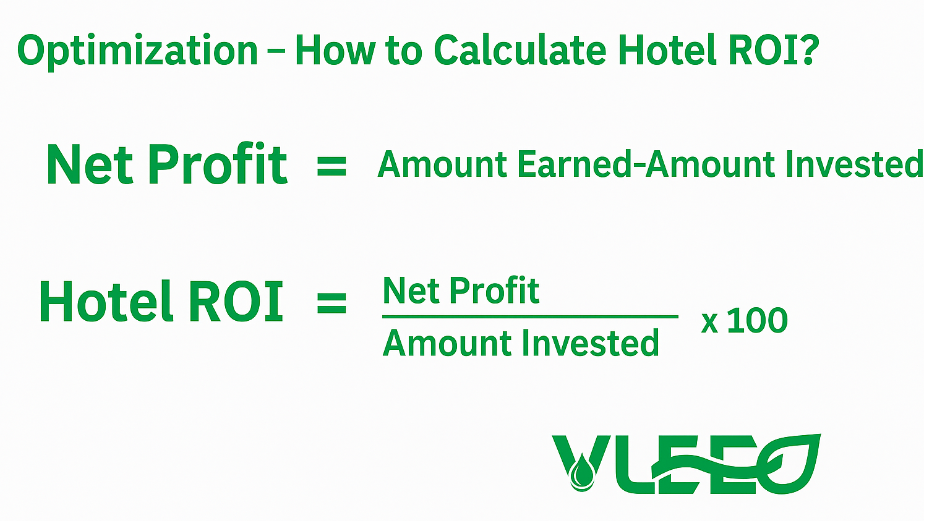
1. Hvad er et smart toilet? En forretningsorienteret definition
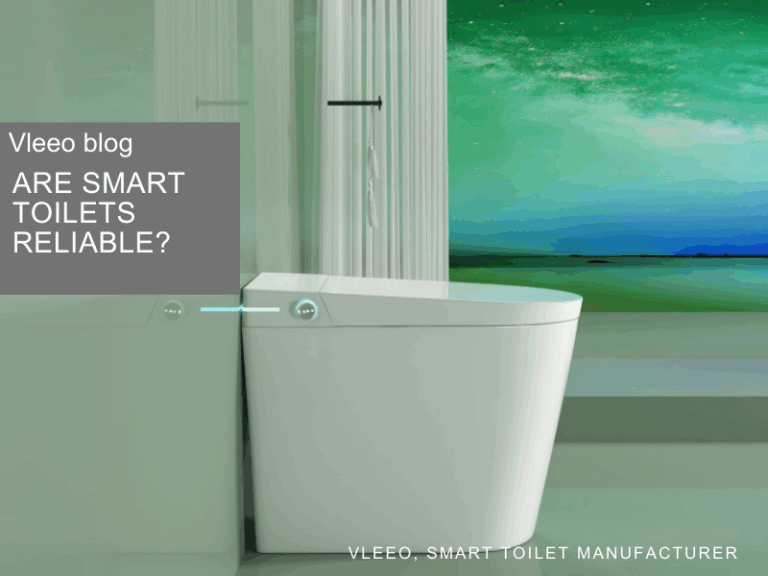
Fra et forbrugerperspektiv beskrives et smart toilet ofte som et højteknologisk badeværelsesarmatur. Fra et Perspektiv på hotel- og udlejningsbranchendog, et smart toilet er et effektivitetsdrevet sanitetssystem designet til at optimere vandforbruget, arbejdsindsatsen og den langsigtede vedligeholdelse.
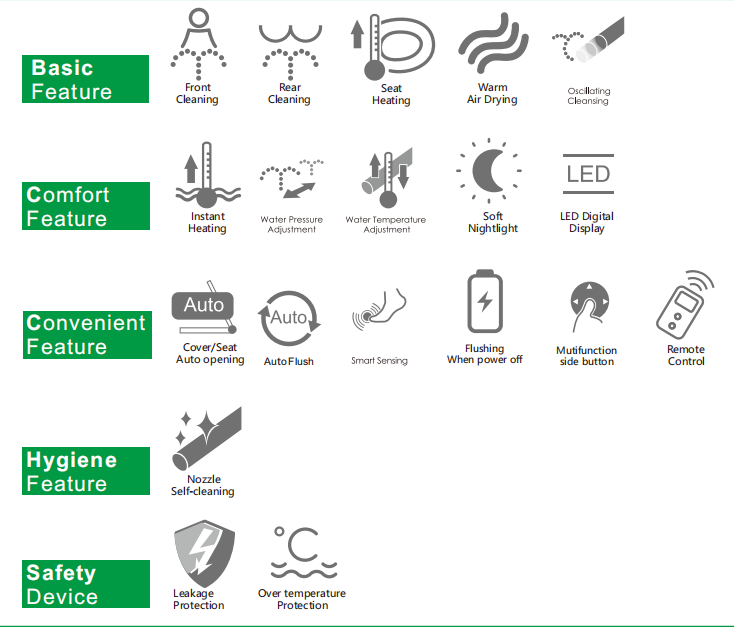
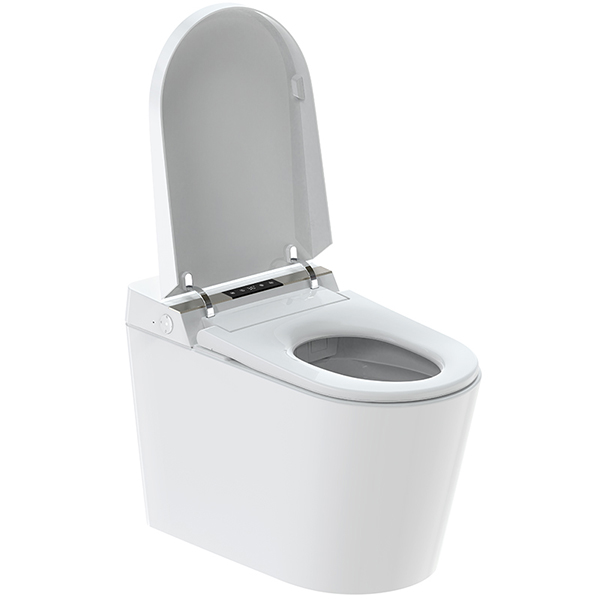
Et moderne smart toilet integrerer typisk traditionel keramisk toiletkonstruktion med automatiserede og hygiejnefokuserede teknologier, herunder:
- Automatisk åbning og lukning af låg
- Berøringsfri eller fodsensorisk skylning
- Opvarmede sæder for komfort og klimatilpasning
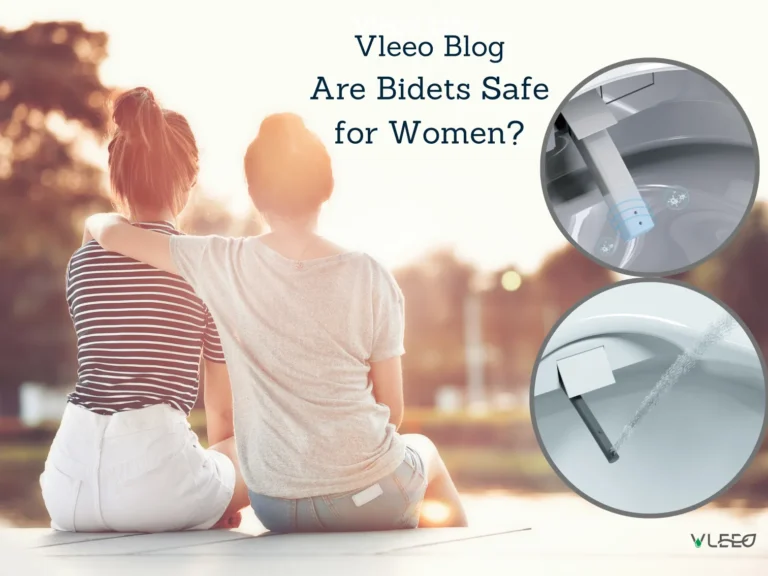
- Justerbar bidetvask (temperatur, tryk og dyseposition)
- Øjeblikkelig vandopvarmning eller energieffektiv tankopvarmning
- Selvrensende dyser i rustfrit stål
- Indbyggede funktioner til deodorisering og lufttørring
- LED-natbelysning giver sikkerhed i omgivelser med svagt lys
Til avancerede hotel- eller udlejningsprojekter med lange ophold kan nogle smarte toiletter også omfatte:
- Vandbesparende skyllealgoritmer
- Diagnostiske advarsler til vedligeholdelsesteams
- App-baserede eller centraliserede kontrolsystemer
1.1 Kategorier af intelligente toiletter til hoteller og udlejning
For at optimere ROI for intelligente toiletter vælger operatører typisk mellem fire hovedkategorier:
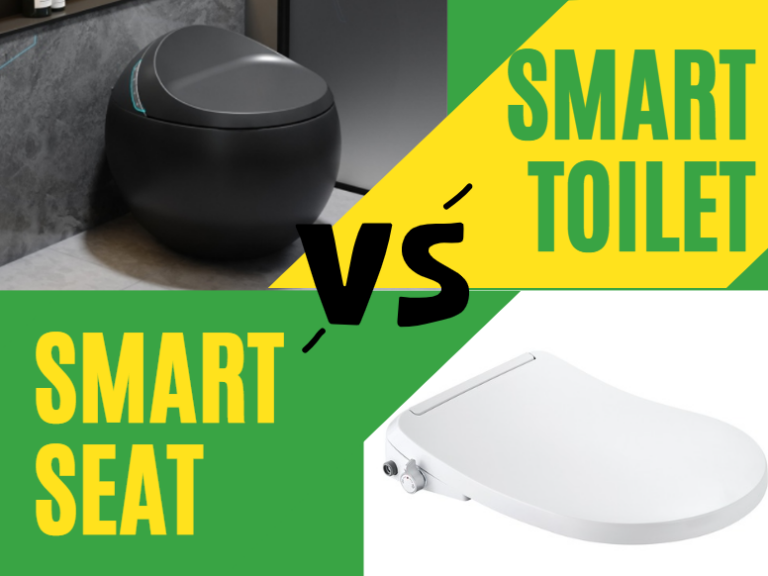
- Fuldt intelligente toiletter (smart toilet i ét stykke) - Bedst egnet til nybyggeri, renovering og premium-værelser
- Smarte bidet-toiletsæder - Eftermonteringsløsninger, der er ideelle til eksisterende hoteller og udlejningsopgraderinger
- Semi-smarte toiletter - Mekanisk skylning kombineret med begrænsede smarte funktioner, lavt elforbrug
- Ikke-elektriske bidetsæder - Omkostningskontrollerede muligheder for prisfølsomme eller nye markeder
Denne kategorisering gør det muligt for hoteller og udlejningsfirmaer at tilpasse kapitaludgifter (CAPEX) til værelsestype, gæsternes forventninger og mål for ROI.

2. Forståelse af ROI for intelligente toiletter: Den grundlæggende økonomiske logik
Det er kernen, smart toilet ROI er drevet af forholdet mellem forhåndsinvestering og tilbagevendende driftsbesparelser. I modsætning til dekorative opgraderinger påvirker intelligente toiletter flere omkostningscentre på samme tid, så besparelserne kan akkumuleres år efter år.
De vigtigste finansielle løftestænger omfatter:
- Vandforbrug
- Rengøringsarbejde
- Vedligeholdelse og reparationer
- Forbrug af forbrugsvarer (toiletpapir og kemikalier)
- Gæstetilfredshed og indtjening
- Bæredygtighed og compliance-værdi
Den kombinerede effekt af disse faktorer afgør, hvor hurtigt intelligente toiletter tjener sig selv ind på både hoteller og i udlejningsejendomme.
3. Hvordan intelligente toiletter reducerer OPEX på hoteller og i udlejningsejendomme
3.1 Besparelser på vandforbruget (15%-60%)
Traditionelle toiletter er blandt de største vandforbrugere i hotel- og udlejningsbygninger. På hoteller med høj belægning eller i korttidslejemål, der ofte udskiftes, stiger vandforbruget hurtigt.
Intelligente toiletter reducerer vandforbruget gennem:
- Dobbeltskyl og optimerede skyllemængder
- Præcisionsstyret bidetvask
- Reduceret afhængighed af overdreven udskylning
- Intelligent vandfordeling under rengøringscyklusser
I store ejendomme kan de årlige vandbesparelser nå op på flere hundrede tusinde liter. Ifølge data fra vandeffektivitetsprogrammer som f.eks. EPA WaterSensekan højeffektive armaturer reducere det kommercielle vandforbrug betydeligt.
For ejendomme i regioner med høje vandpriser - som Japan, Singapore, Vesteuropa, Australien og dele af Mellemøsten - kan vandbesparelser alene retfærdiggøre investeringen.
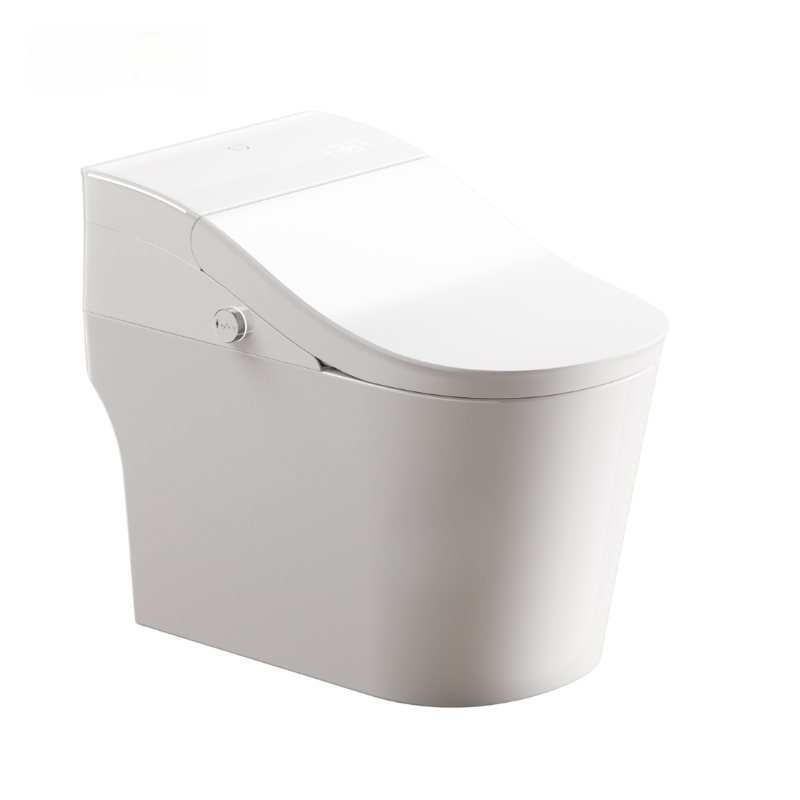
3.2 Reduceret rengøringstid og lønomkostninger
Arbejdskraft er en af de største og hurtigst voksende OPEX-kategorier på både hoteller og i udlejningsbranchen. Smarte toiletter reducerer rengøringsarbejdet gennem:
- Randløst skåldesign, der eliminerer kanter, der er svære at rengøre
- Antibakteriel keramisk glasur, der modstår pletter
- Automatisk skylning, der minimerer manuel indgriben
- Selvrensende dyser og deodoriseringssystemer
- Berøringsfri betjening, der reducerer synlig forurening
Hoteller rapporterer om reduktioner i rengøringstiden på 8-15 minutter pr. badeværelsemens udlejningsoperatører nyder godt af hurtigere udskiftning mellem gæsterne. Over hundredevis af værelser eller enheder betyder det:
- Færre rengøringsassistenter pr. skift
- Reduceret overarbejde og arbejdstræthed
- Hurtigere check-in i højsæsonen
Fra et ROI-synspunkt er arbejdseffektivitet ofte den største enkeltstående bidragyder til tilbagebetaling af smarte toiletter.
3.3 Lavere vedligeholdelsesfrekvens og længere produktlevetid
Intelligente toiletter af høj kvalitet fremstillet af erfarne OEM'er er designet til kommerciel brug. Sammenlignet med standardtoiletter leverer de ofte:
- Færre tilstopninger på grund af optimeret vandgennemstrømning
- Reduceret slid på mekaniske komponenter
- Stabile elektroniske systemer med fugtbeskyttelse
- Lettilgængelige komponenter til service
Som følge heraf oplever ejendomme:
- Færre akutte vedligeholdelsesopkald
- Lavere forbrug af reservedele
- Reduceret nedetid for indtægtsgivende rum
Et velkonstrueret smart toilet kan holde 8-15 år, der kan sammenlignes med eller er længere end traditionelle toiletter, med udskiftelige elektroniske moduler, når det er nødvendigt.
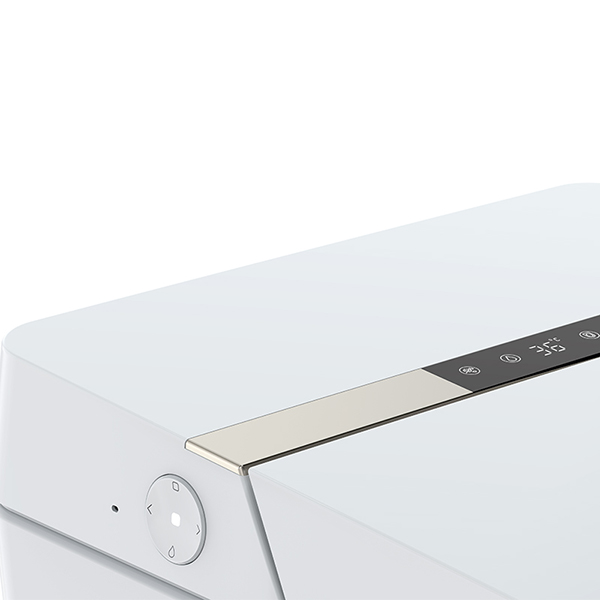
3.4 Reduceret brug af toiletpapir og forbrugsvarer (25%-70%)
Bidetvask reducerer forbruget af toiletpapir betydeligt. Det påvirker flere omkostningsområder:
- Direkte omkostninger til indkøb af forbrugsvarer
- Lager- og logistikstyring
- Belastning af kloaksystemet og risiko for rørblokering
For hoteller med høj trafik og udlejningsporteføljer med flere enheder bliver et reduceret forbrug af toiletpapir en meningsfuld og forudsigelig årlig besparelse.
3.5 Gæstetilfredshed, anmeldelser og øget omsætning
Selv om omkostningsreduktion er centralt for ROI for intelligente toiletter, bør man ikke undervurdere indtægtseffekten. Intelligente toiletter bidrager til:
- Højere score for gæstetilfredshed
- Bedre online anmeldelser
- Øget opfattet værdi af rummet
- Højere gentagne bookingrater for udlejning
På konkurrenceprægede markeder giver moderne badeværelser med intelligente toiletter operatørerne mulighed for at retfærdiggøre højere priser eller opretholde belægningen i lavsæsonen.
3.6 Bæredygtighed, ESG og certificeringsværdi
Mange hoteller og udlejningsbyggerier går nu efter bæredygtighedscertificeringer som LEED, BREEAM eller WELL. Smarte toiletter understøtter disse initiativer ved at:
- Reducerer vandforbruget
- Sænker kravene til kemisk rengøring
- Understøttelse af øko-rum og ESG-strategier
Til reference, LEED-certificeringsrammer understrege vandeffektivitet som en kernekomponent i bæredygtigt bygningsdesign.

4. ROI-scenarier for intelligente toiletter: Hoteller vs. udlejningsejendomme
4.1 Typisk hotel-ROI-scenarie (ejendom med 120 værelser)
Anslået årlig påvirkning:
- Vandbesparelser: 15%-45%
- Reduktion af toiletpapir: 25%-70%
- Sparet rengøringstid: 10-20 minutter pr. rum pr. dag
- Reduktion af vedligeholdelsesomkostninger: 20%-30%
- Belægning eller ADR-løft: +1% til +4%
Tilbagebetalingsperiode:
- Smarte toiletsæder: 8-18 måneder
- Fuldt intelligente toiletter: 18-36 måneder
4.2 Typisk ROI-scenarie for udlejningsejendomme (50 enheder)
Udlejningsejendomme drager fordel af:
- Hurtigere udskiftning af enheder
- Lavere udgifter til rengøringsfirmaer
- Reduceret logistik for forbrugsvarer
- Stærkere differentiering på listeplatforme
Tilbagebetalingsperiode:
- Smarte toiletsæder: 6-15 måneder
- Semi-smarte toiletter: 6-12 måneder
- Fuldt intelligente toiletter (premium leje): 18-30 måneder
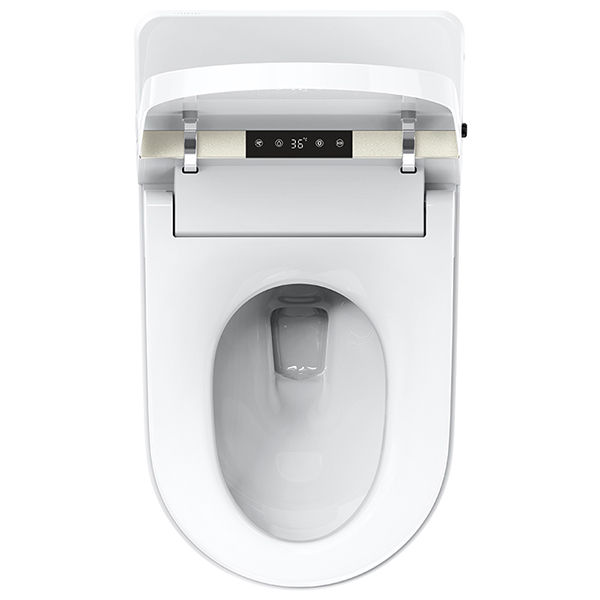
5. Valg af de rigtige smarte toiletmodeller til ROI-optimering
5.1 Intelligente bidet-toiletsæder til eftermonteringsprojekter
På eksisterende hoteller og ved opgradering af lejemål giver smarte bidetsæder hurtig ROI med minimal forstyrrelse.
Et eksempel: K2 Smart Bidet-toiletsæde fra Vleeo
- Passer til eksisterende toiletter
- Lave installationsomkostninger
- Opvarmet sæde og justerbar bidetvask
- Ideel til trinvise opgraderinger
5.2 Fuldt intelligente toiletter på indgangsniveau til ejendomme i mellemklassen
Indgangsmodeller afbalancerer funktionalitet og budget, hvilket gør dem velegnede til:
- Hoteller i mellemklassen
- Servicerede lejligheder
- Standard udlejningsenheder
Funktionerne omfatter ofte:
- Skylning med fodsensor
- Belysning om natten
- Grundlæggende bidet- og hygiejnefunktioner
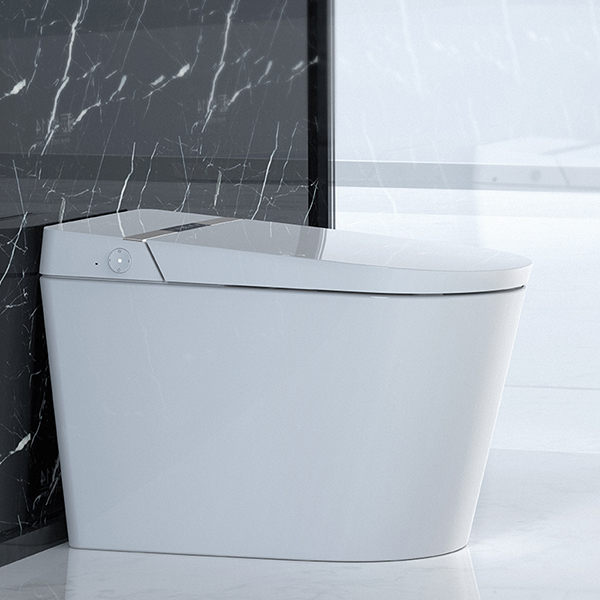
5.3 Førsteklasses intelligente toiletter til luksushoteller og -lejemål
Luksusprojekter kræver certificering, konsekvent design og langsigtet pålidelighed.
Et eksempel: CL-628 Premium cUPC Smart Toilet
- cUPC-certificeret til nordamerikanske markeder
- Minimalistisk design
- Velegnet til luksushoteller og premium-udlejninger
6. Implementeringsstrategier for at maksimere ROI for smarte toiletter
6.1 Niveaudelt udrulning efter rumkategori
En lagdelt strategi forbedrer ROI:
- Premium-suiter: Fuldt intelligente toiletter
- Standardværelser: Smarte toiletter på indgangsniveau
- Budget-enheder: Smarte sæder eller semi-smarte modeller
6.2 Storindkøb og projektplanlægning
Masseindkøb direkte fra producenterne reducerer CAPEX med 12%-35% igennem:
- Direkte prisfastsættelse fra fabrikken
- Konsolidering af containere
- OEM-tilpasning
- Inkludering af reservedele
6.3 Energieffektive varmesystemer
Øjeblikkelige varmesystemer reducerer standby-elforbruget, hvilket gør dem ideelle til:
- Udlejning med høj omsætning
- Hoteller med energistyringssystemer
7. Hvorfor indkøb fra kinesiske producenter af smarte toiletter forbedrer ROI
Kina leder den globale industri for intelligente toiletter på grund af:
- Moden produktionsteknologi
- Konkurrencedygtige produktionsomkostninger
- OEM- og ODM-fleksibilitet
- Omfattende globale certificeringer (CE, cUPC, WaterMark, SASO)
Producenter som f.eks. Vleeo støtte internationale B2B-købere med:
- Projektkonsultation
- Tekniske tegninger
- Brugerdefineret branding og farver
- Langvarig levering af reservedele
8. Risici, overvejelser og hvordan man afbøder dem
For at beskytte smart toilet ROI bør købere overveje:
- Kompatibilitet med el- og vvs-installationer
- Lokale certificeringskrav
- Tilgængelighed af eftersalgssupport
- Standardisering af reservedele
At arbejde med erfarne producenter reducerer disse risici betydeligt.
9. Konklusion: ROI for intelligente toiletter som en langsigtet forretningsstrategi
Intelligente toiletter er ikke længere en luksusvare. For hoteller og udlejningsejendomme er de strategiske investeringer der giver et målbart økonomisk afkast.
Med tilbagebetalingsperioder, der almindeligvis opnås inden for 12-24 månederROI for smarte toiletter er drevet af kumulative OPEX-reduktioner, forbedret gæstetilfredshed og forbedret bæredygtighed.
For ejendomsejere, udviklere og internationale købere er integration af intelligente toiletter i hotel- og udlejningsprojekter en datastøttet beslutning, der styrker både driftseffektiviteten og den konkurrencemæssige positionering.
OFTE STILLEDE SPØRGSMÅL: Smart toilet-ROI til hoteller og udlejning
Q1. Er intelligente toiletter velegnede til udlejningsenheder med høj omsætning?
Ja. Mange modeller er designet til hyppig brug, hurtig rengøring og holdbarhed.
Q2. Øger intelligente toiletter vedligeholdelseskompleksiteten?
Modeller af høj kvalitet reducerer ofte vedligeholdelsen på grund af selvrensende og optimerede skyllesystemer.
Q3. Kan intelligente toiletter understøtte bæredygtighedscertificeringer?
Ja, det gør jeg. Vandeffektivitet og hygiejnefunktioner understøtter LEED og lignende rammer.
Q4. Er OEM-branding muligt for hotelgrupper?
Ja. Mange kinesiske producenter understøtter fuld OEM- og ODM-tilpasning.
Q5. Hvad er den hurtigste måde at opnå ROI på et smart toilet?
Start med smarte bidetsæder eller semi-smarte modeller i enheder med højt forbrug, og udvid gradvist.