任何關於智慧型馬桶的問題,請在下方留言給我們。

按一下或拖曳檔案到此區域進行上傳。您最多可以上傳 3 檔案。

Smart Toilet Efficiency: Are Smart Toilets Water and Energy Efficient?


Bathrooms are often ignored when people talk about saving water or energy.

But they shouldn’t be.

In most homes, toilets are one of the biggest sources of daily water use. Over time, inefficient flushing can waste tens of thousands of gallons. This is why smart toilet efficiency has become an important topic for homeowners, builders, and buyers.

So the real question is simple:

Are smart toilets actually efficient, or do they just add more technology to the bathroom?


1. Smart Toilet Efficiency Overview

Smart toilet efficiency refers to how effectively a smart toilet uses water and energy while maintaining performance, hygiene, and comfort.


1.1 What Smart Toilet Efficiency Really Means

Smart toilet efficiency is not just about using less water.

It includes:

  • Lower water use per flush
  • Reduced wasted flushing
  • Controlled energy consumption
  • Long-term resource savings

An efficient smart toilet balances performance and conservation, not one at the expense of the other.

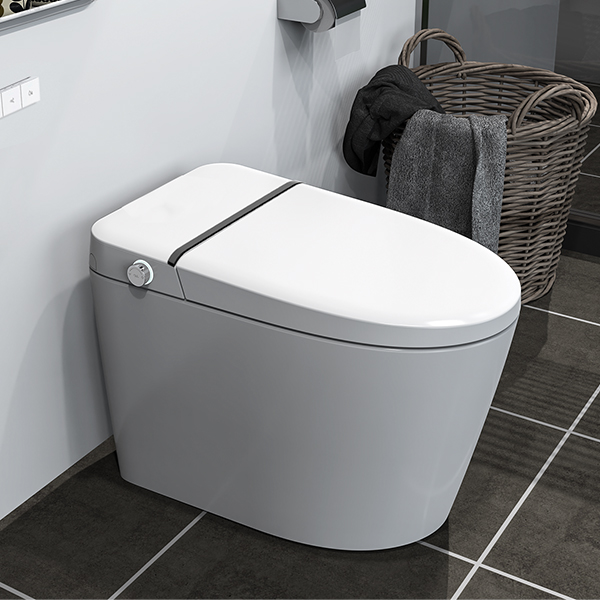
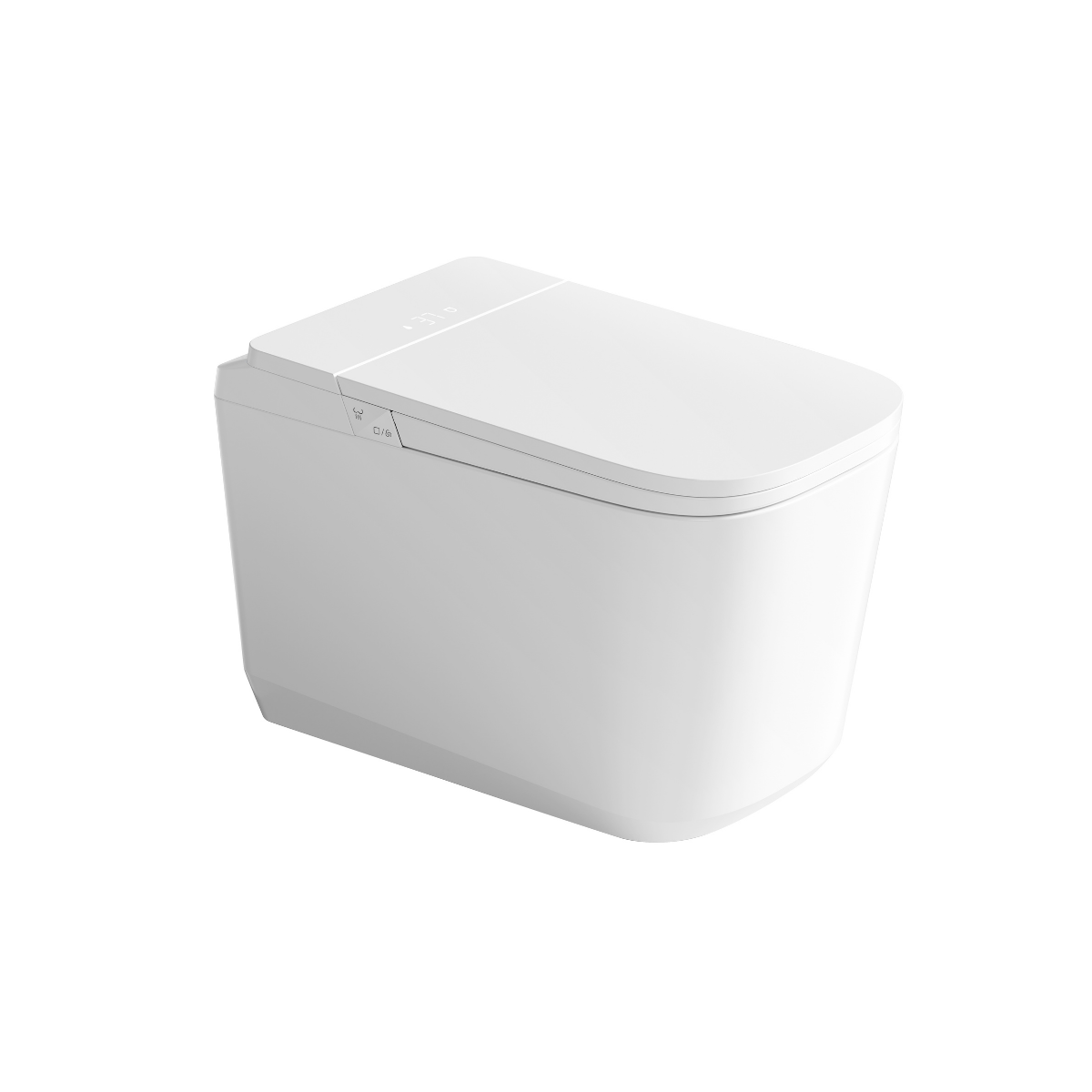
智慧型座廁 CL-619
智慧型座廁 CL-619

1.2 Why Smart Toilet Efficiency Matters in Modern Homes

Water scarcity, rising utility costs, and sustainability concerns are pushing homeowners to rethink bathroom fixtures.

An efficient smart toilet can:

  • Reduce household water bills
  • Lower environmental impact
  • Meet modern building standards

That’s why smart toilet efficiency is now a key decision factor, not just a luxury feature.


2. Smart Toilet Efficiency and Water Usage

Water efficiency is the strongest and most proven advantage of smart toilets.


2.1 Smart Toilet Water Efficiency Compared to Traditional Toilets

Traditional toilets often use:

  • 3 to 5 gallons per flush
  • Some older models used up to 7 gallons per flush

In contrast, modern smart toilets typically use:

  • 每次沖水 0.8 加侖 for light waste
  • 1.6 gallons per flush for solid waste

This difference alone dramatically improves smart toilet water efficiency.

According to research summarized by Stanford University’s Open Virtual Assistant Lab, smart toilets can reduce water usage by up to 67% 與傳統廁所相比。

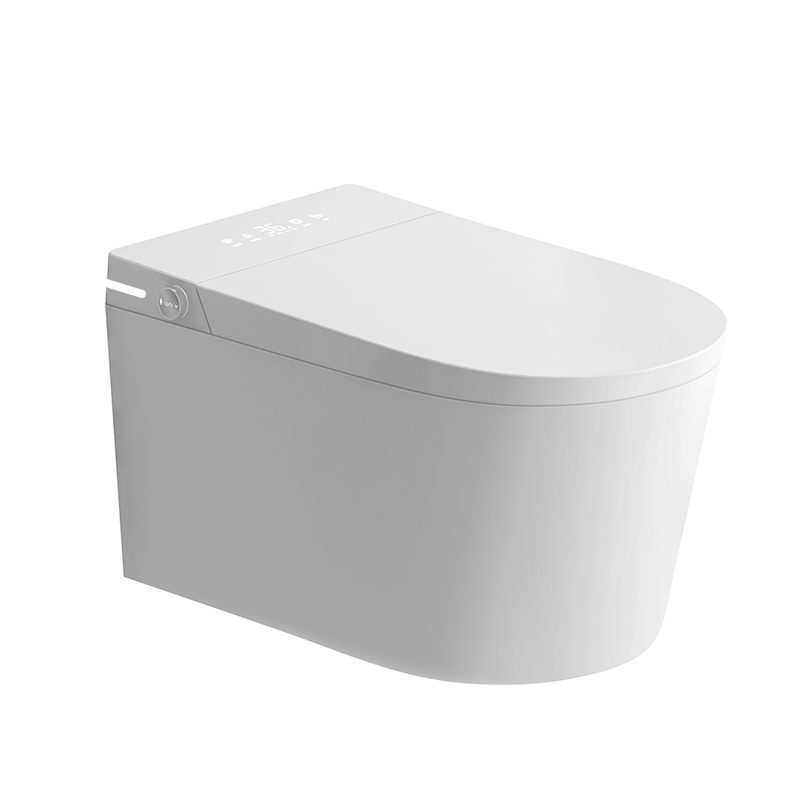
馬桶智慧型 CL-616
馬桶智慧型 CL-616

2.2 Dual-Flush Systems in Water Efficient Smart Toilets

A key feature behind smart toilet efficiency is the dual-flush system.

It allows users to choose:

  • A low-volume flush for liquid waste
  • A higher-volume flush for solid waste

This flexibility prevents unnecessary water use and improves overall efficiency.


2.3 Sensor-Based Flushing and Smart Toilet Water Saving

Many smart toilets use:

  • 運動感應器
  • 腳踏感應器沖水
  • Automatic flush timing

These features:

  • Reduce double flushing
  • Ensure consistent water use
  • Improve daily smart toilet efficiency

For example, an entry-level smart toilet with full functions like the CL-616 uses foot-sensor flushing to help users save water naturally.


2.4 Tankless Design and Smart Toilet Efficiency

Some smart toilets use tankless or direct-flush designs.

Benefits include:

  • No water stored in a tank
  • Less refill loss
  • More precise flush control

Tankless systems further enhance smart toilet efficiency, especially in high-use environments. See more in the Vleeo blog.

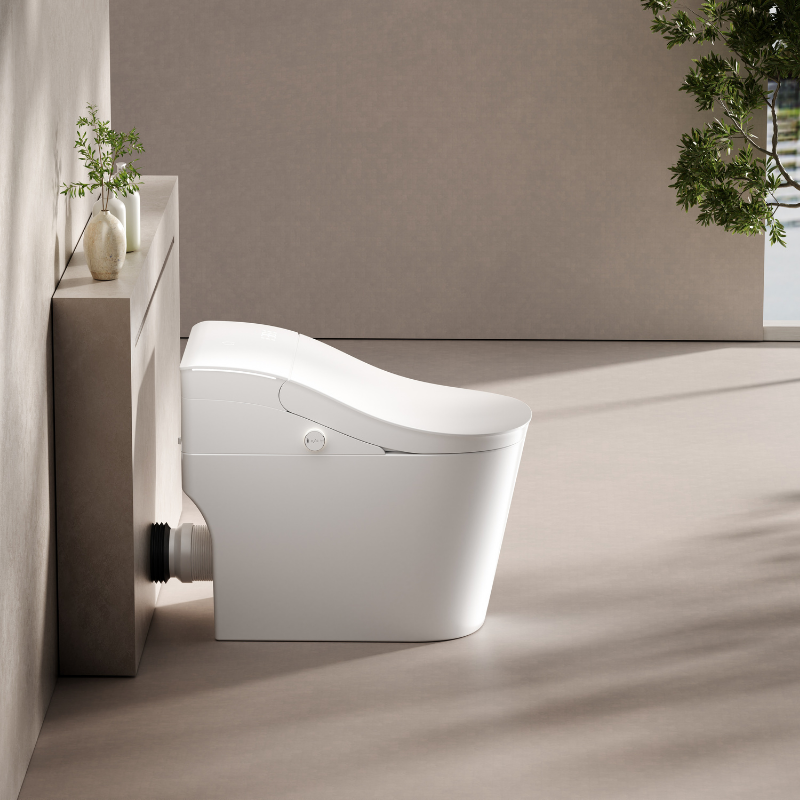
智慧型座廁 CL-619
智慧型座廁 CL-619

3. Smart Toilet Efficiency Through Leak Detection and Prevention

Leaks are a major source of hidden water waste.


3.1 How Leak Detection Improves Smart Toilet Efficiency

Many smart toilets include leak detection systems that:

  • Monitor water flow
  • Detect abnormal usage
  • Alert users early

Early detection prevents long-term water loss and protects overall efficiency.


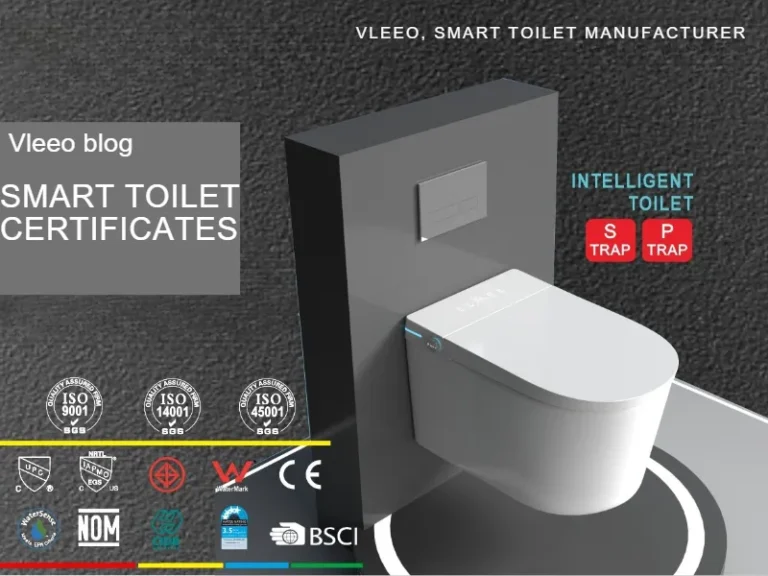
4. Smart Toilet Efficiency Standards and EPA WaterSense Compliance

Efficiency is not only a design goal. It is also regulated.


4.1 EPA WaterSense and Smart Toilet Efficiency

In the U.S., the Environmental Protection Agency (EPA) runs the WaterSense program.

To qualify, toilets must:

  • Use no more than 1.28 gallons per flush
  • Meet performance standards for waste removal

Many modern smart toilets are designed to meet or exceed these requirements.


4.2 Why Compliance Supports Long-Term Efficiency

Compliance ensures that a smart toilet:

  • Saves water without sacrificing performance
  • Meets building and inspection requirements
  • Remains efficient over its lifespan
高級智慧型座廁 CL-626
高級智慧型座廁 CL-626

5. Smart Toilet Energy Efficiency Explained

Smart toilets do use electricity, but energy use is usually controlled and limited.


5.1 Energy-Saving Modes and Smart Toilet Efficiency

Most smart toilets include:

  • Standby modes
  • Sleep functions
  • Scheduled heating

These features reduce power consumption during inactivity and support overall smart toilet efficiency.


5.2 Heating Elements and Smart Toilet Energy Efficiency

Heating elements are used for:

  • 可加熱座椅
  • Warm bidet water

Modern designs:

  • Activate only when needed
  • Allow temperature adjustment
  • Use minimal electricity

This targeted usage keeps energy consumption low.


5.3 Renewable Energy Concepts in Smart Toilet Design

Some advanced concepts explore renewable energy options, such as solar-assisted systems.

While not yet common, these ideas show the direction of future smart toilet efficiency improvements.

CL 626 smart toilet

6. Smart Toilet Efficiency Beyond Flushing

Efficiency goes beyond water per flush.


6.1 Bidet Functions and Smart Toilet Water Efficiency

Built-in bidet functions reduce toilet paper use.

This matters because toilet paper production:

  • Uses large amounts of water
  • Requires energy-intensive processing

Reducing paper use improves the total environmental impact of a smart toilet.


7. Overall Smart Toilet Efficiency and Environmental Impact

When water and energy factors are combined, smart toilets often deliver a net efficiency benefit.


7.1 Balancing Water Savings and Energy Use

Although smart toilets use electricity:

  • Water savings are often much greater
  • Energy use is controlled by standby modes
  • Reduced paper use offsets indirect resource consumption

For many households, overall smart toilet efficiency is higher than traditional toilets.


8. Evidence Supporting Smart Toilet Efficiency

The research in your uploaded file includes multiple supporting studies.


8.1 Studies on Smart Toilet Water Efficiency

Key findings include:

  • Traditional toilets: up to 7 gallons per flush
  • Smart toilets: as low as 0.5–1.6 gallons per flush

Over a 20-year lifespan, a smart toilet can save around 66,000 gallons of water compared to standard toilets.

智能 WC 批發 CL-631
智能 WC 批發 CL-631

8.2 Performance Improvements and Efficiency Gains

Early low-flow toilets had performance problems.

Today:

  • EPA performance standards are higher
  • Designs are more reliable
  • Efficiency no longer means weak flushing

9. Challenges That Affect Smart Toilet Efficiency

Smart toilets also have limitations.


9.1 Performance Concerns

Some users still worry about:

  • Flush strength
  • Reliability

Modern designs have improved, but perception remains a factor.


9.2 Maintenance Costs

Smart toilets include electronic parts.

This can mean:

  • Higher repair costs
  • Replacement parts over time

9.3 User Experience and Learning Curve

Control panels and settings may:

  • Confuse some users
  • Require a short learning period

9.4 Energy Dependence

Advanced features depend on electricity.

During power outages:

  • Basic flushing often works
  • Smart functions may pause
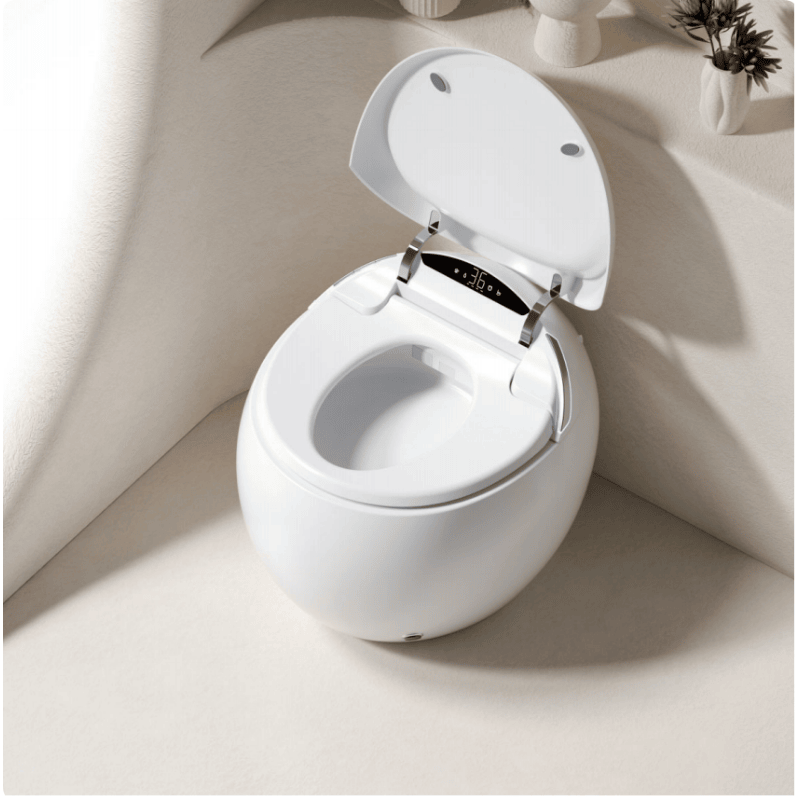
蛋形智慧型馬桶

9.5 Initial Costs vs Long-Term Efficiency

Smart toilets cost more upfront.

However, water savings, reduced paper use, and efficiency gains may offset costs over time.


10. Future Trends in Smart Toilet Efficiency

The market for smart toilets is growing steadily.


10.1 Market Growth and Industry Outlook

根據 a global market forecast published on Finance Yahoo, the smart toilet market was valued at USD 10.11 billion in 2024 and is projected to reach USD 16.09 billion by 2030, with a CAGR of about 8%.


10.2 Technological Advancements

Future improvements may include:

  • Health monitoring features
  • Smarter energy management
  • Usage analytics

10.3 Sustainability and Consumer Trends

As water efficiency regulations tighten, demand for efficient smart toilets is expected to increase.


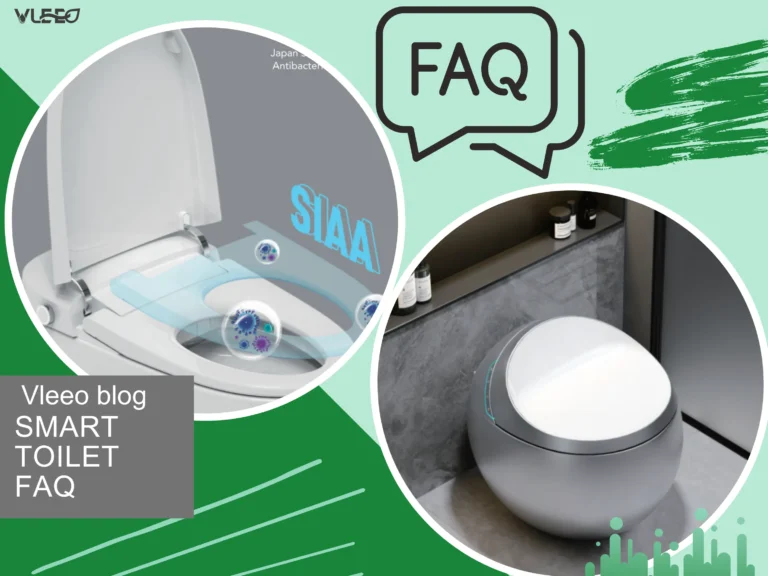
FAQ: Smart Toilet Efficiency

Q1. Are smart toilets efficient compared to traditional toilets?

Yes. Smart toilet efficiency is significantly higher due to lower water use and controlled energy consumption.

Q2. How does smart toilet efficiency reduce water usage?

Through dual-flush systems, sensors, and leak detection.

Q3. Does smart toilet efficiency include energy efficiency?

Yes. Smart toilet efficiency includes both water and energy management.

Q4. Are water efficient smart toilets worth the cost?

For many households, long-term savings justify the investment.

Q5. What affects smart toilet efficiency in daily use?

User habits, maintenance, and correct feature use all matter.

中國智慧廁所

Final Conclusion

Smart toilet efficiency is not just a marketing term.

Based on the evidence in your original report, smart toilets:

  • Save significant amounts of water
  • Manage energy use carefully
  • Support long-term sustainability

When chosen and used correctly, they are a practical upgrade for modern bathrooms.

Smart toilets are not perfect.

But based on the evidence in your original report, they do offer:

  • Strong water efficiency
  • Controlled energy use
  • Meaningful long-term savings

When chosen carefully, they represent a practical step toward more efficient, modern bathrooms.

分享您的愛
Vleeo 智慧型馬桶
Vleeo 智慧型馬桶

擁有超過 20 年的衛浴製造、銷售及售後服務專業經驗。

新產品手冊

請在下方輸入您的電子郵件地址,我們將寄給您最新的手冊!