-
Guxiang Town, Cidade de Chaozhou, Província de Guangdong, China

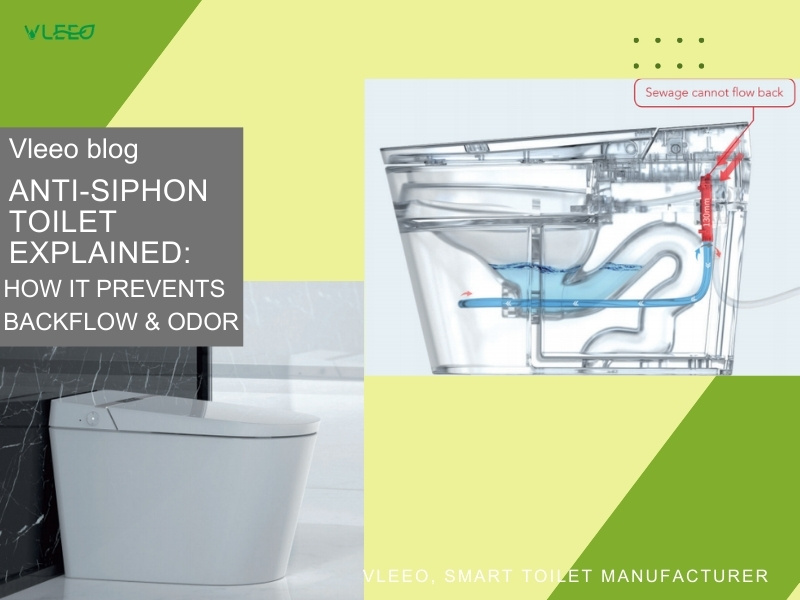
Explicação sobre a sanita anti-sifão: Como evita o refluxo e o odor
Quando se fala de sistemas de descarga de sanitas, a maioria das pessoas concentra-se em potência de descarga ou consumo de água.
Mas há outro fator que afecta discretamente a higiene, o controlo dos odores e a fiabilidade a longo prazo.
Esse fator é conceção anti-sifão.
Um sanita anti-sifão foi concebido para evitar o sifão indesejado durante a descarga - protegendo o selo de água, melhorando a remoção de resíduos e reduzindo os riscos de refluxo.
Nas casas de banho modernas, especialmente nas sanitas inteligentes e eficientes em termos de consumo de água, a tecnologia anti-sifão está a tornar-se cada vez mais importante.
O que significa "anti-sifão" numa sanita?
Em termos simples, anti-sifão meios impedir a aspiração de vácuo.
Nas sanitas sifónicas tradicionais, a descarga depende em grande medida da criação de um efeito de sifão no interior do sifão. Embora eficaz, isto pode por vezes causar:
- Perda do selo de água
- Risco de refluxo
- Fuga de odores
- Descarga inconsistente
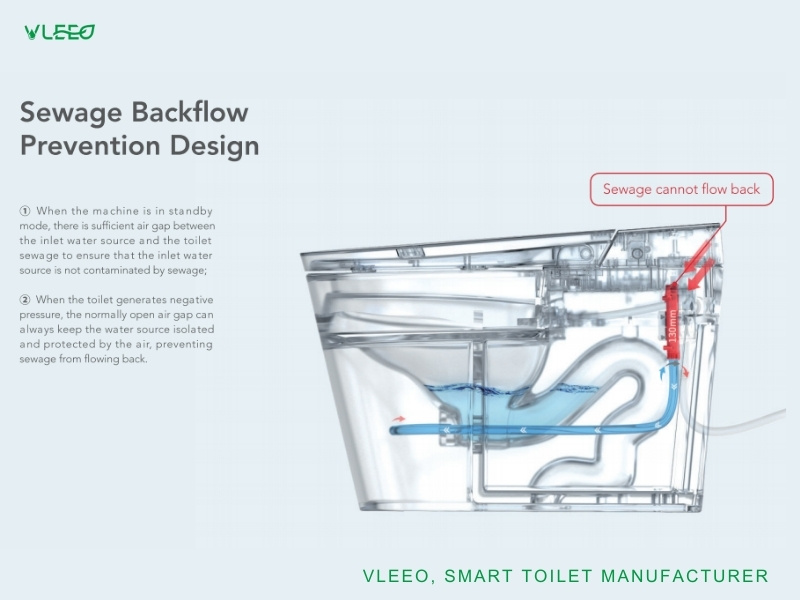
Um sanita anti-sifão introduz um fluxo de ar controlado no sistema para impedir a formação de vácuo indesejado.
De acordo com a investigação resumida por Laboratório de Assistente Virtual Aberto da Universidade de StanfordA principal diferença reside no facto de gestão da pressão do ar no interior do alçapão.
Breve história das sanitas anti-sifão
A tecnologia anti-sifão não surgiu de um dia para o outro.
Primeiros desenvolvimentos
No início do século XX, as sanitas sifónicas tornaram-se populares devido ao seu funcionamento silencioso e à forte descarga.
No entanto, os engenheiros depressa se aperceberam das suas limitações:
- Instabilidade do selo de água
- Sensibilidade às condições da canalização
Melhoramentos de meados do século XX
Em meados de 1900, os projectistas de canalizações começaram a introduzir conceitos de alçapão ventilado para estabilizar a pressão e evitar o sifão.
Sanitas modernas anti-sifão
Atualmente, as sanitas anti-sifão são muito utilizadas:
- Casas de banho residenciais topo de gama
- Edifícios comerciais
- Projectos de eficiência hídrica
O seu crescimento acelerou com regulamentos mais rigorosos em matéria de água e com a adoção de sanitas inteligentes.
Como funciona uma sanita anti-sifão
A compreensão da conceção anti-sifão é mais fácil quando dividida em etapas.
1. Início da descarga
A água entra na cuba e empurra os resíduos para o sifão.
2. Admissão de ar controlada
A respiradouro incorporado introduz ar no alçapão num ponto específico.
Este fluxo de ar:
- Evita a acumulação de vácuo
- Estabiliza a pressão
- Impede o sifão indesejado
3. Os resíduos são empurrados, não puxados
Em vez de se basear apenas na sucção, os resíduos são movimentados utilizando força da água.
Este é o princípio fundamental dos sistemas anti-sifão.
Porque é que o design anti-sifão é importante para a higiene
Uma das maiores vantagens das sanitas anti-sifão é controlo de odores.
Quando o sifão não é controlado:
- Os vedantes de água podem enfraquecer
- Pode haver fuga de gases de esgoto
As sanitas anti-sifão mantêm uma selo de água maior e mais estávelque bloqueia os odores de forma mais eficaz.
Estudos de sistemas de canalização resumidos em referências do sector, tais como Acções ecológicas indicam que a pressão estável do alçapão desempenha um papel fundamental na redução da fuga de odores e do risco de contaminação.
Anti-Sifão vs. Sanitas Sifónicas Tradicionais
| Caraterística | Sanita sifónica | Sanita anti-sifão |
| Princípio de lavagem | Aspiração por vácuo | Força da água + controlo do ar |
| Estabilidade do selo de água | Moderado | Elevado |
| Risco de refluxo | Mais alto | Inferior |
| Eficiência hídrica | Moderado | Elevado |
| Controlo de odores | Bom | Melhor |
As sanitas anti-sifão utilizam normalmente menos água por descarga mantendo um desempenho consistente.
Eficiência hídrica e benefícios ambientais
Muitas sanitas anti-sifão funcionam a 1,28 galões por descarga (GPF) ou menos.
Em comparação com os sistemas mais antigos de 1,6 GPF ou 6 litros, isto resulta em
- Poupança significativa de água
- Custos de serviços públicos mais baixos
- Redução do impacto ambiental
Estudos citados na base de dados de investigação de canalização de Stanford mostram que as famílias podem reduzir o consumo de água da sanita em 20-30% com sistemas anti-sifão de elevada eficiência.
Design anti-sifão em sanitas inteligentes
As sanitas inteligentes colocam maiores exigências à fiabilidade do autoclismo.
Porquê?
Porque caraterísticas como:
- Lavagem automática
- Sistemas de bidé
- Protectores de espuma
- Ciclos controlados por sensores
Todos dependem de pressão interna estável.
É por isso que muitas casas de banho inteligentes modernas integram princípios anti-sifão.
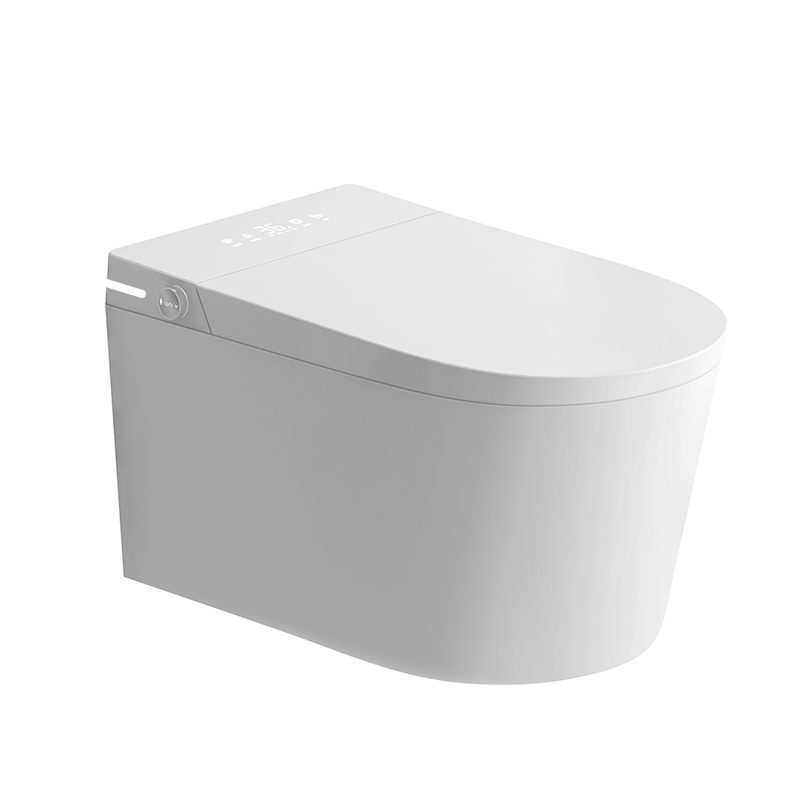
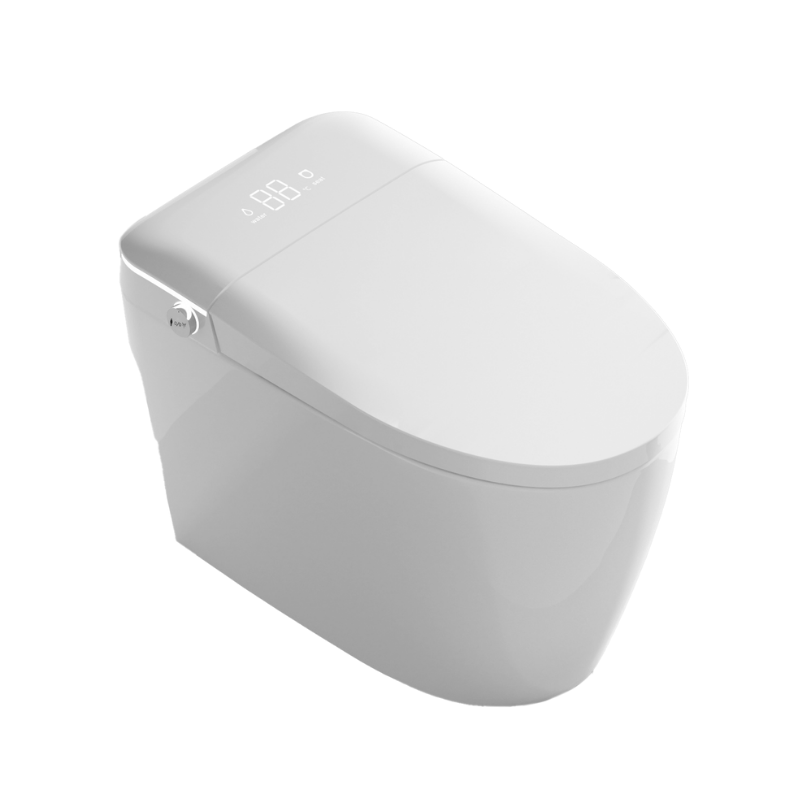
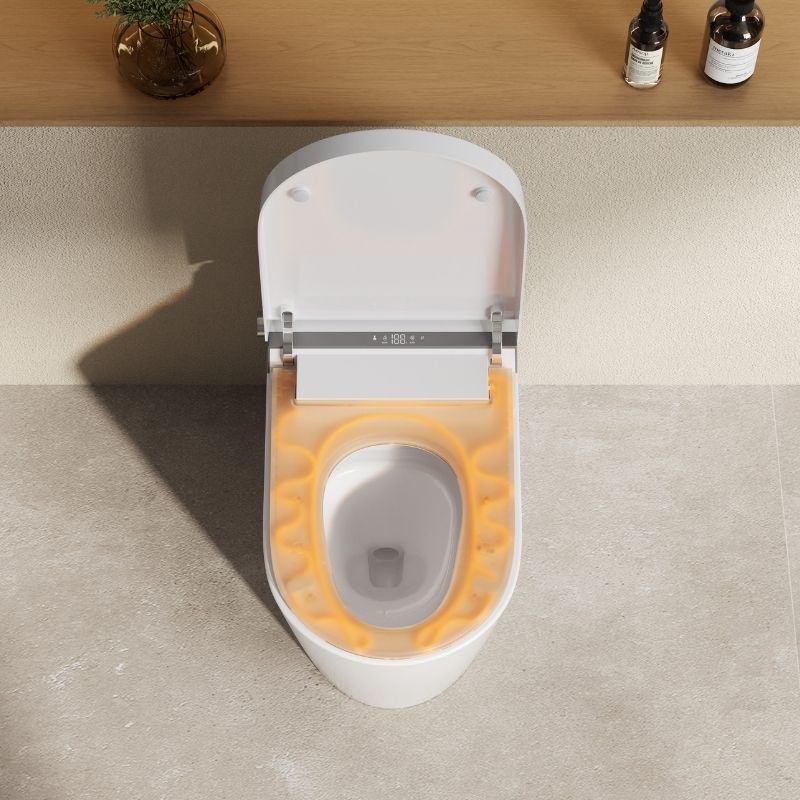
Por exemplo, o CL-630 Sanita com descarga inteligente e bidé para a Europa combina uma descarga eficiente com um design de alçapão com pressão estabilizada para garantir um desempenho consistente em diferentes condições de canalização.
Compatibilidade de instalação e canalização
As sanitas anti-sifão são concebidas para funcionar com sistemas de canalização existentes.
As principais vantagens incluem:
- Posicionamento ajustável da saída
- Compatibilidade com tubagens de solo modernas
- Redução da complexidade da adaptação
Isto torna-os adequados tanto para projectos de construção nova como de renovação.
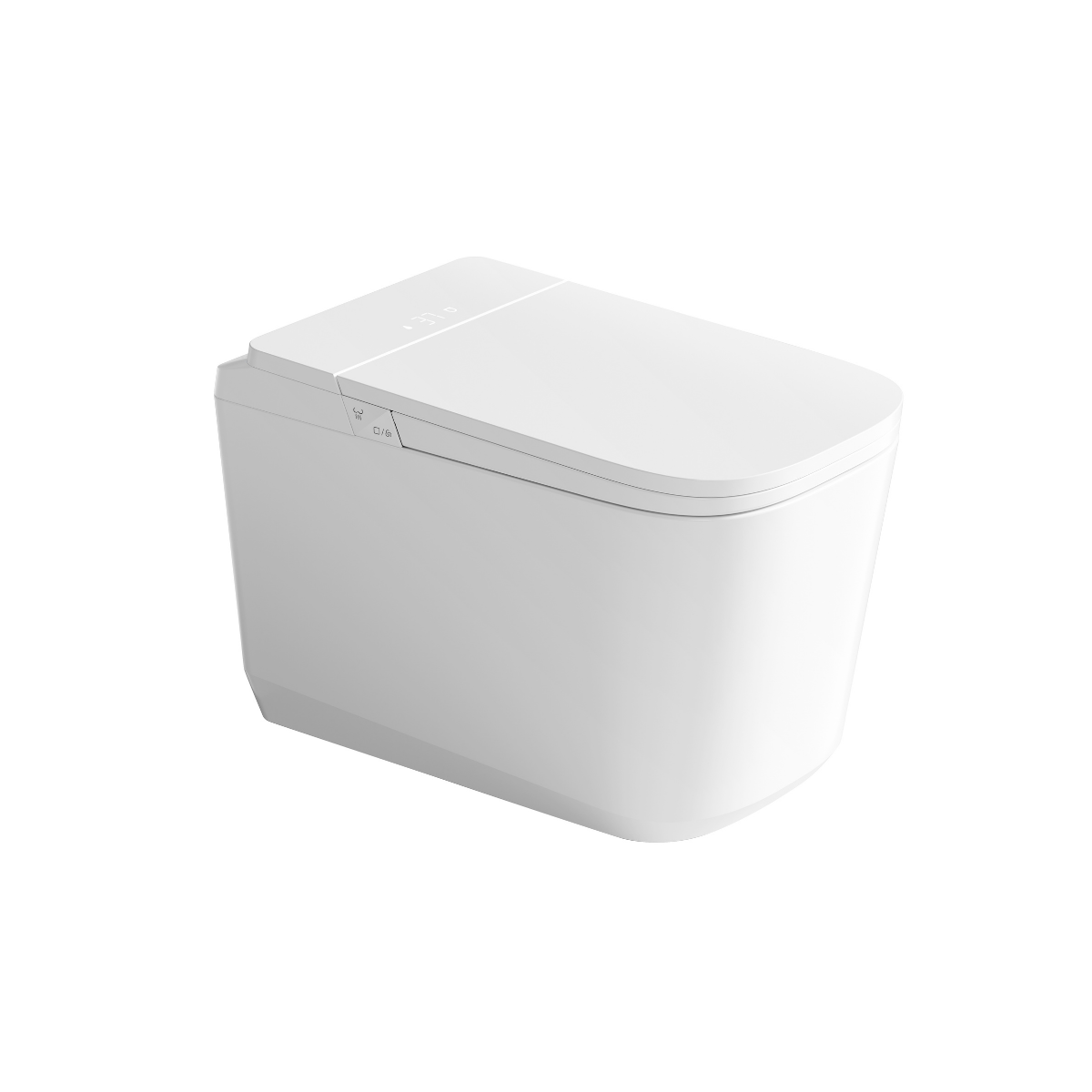
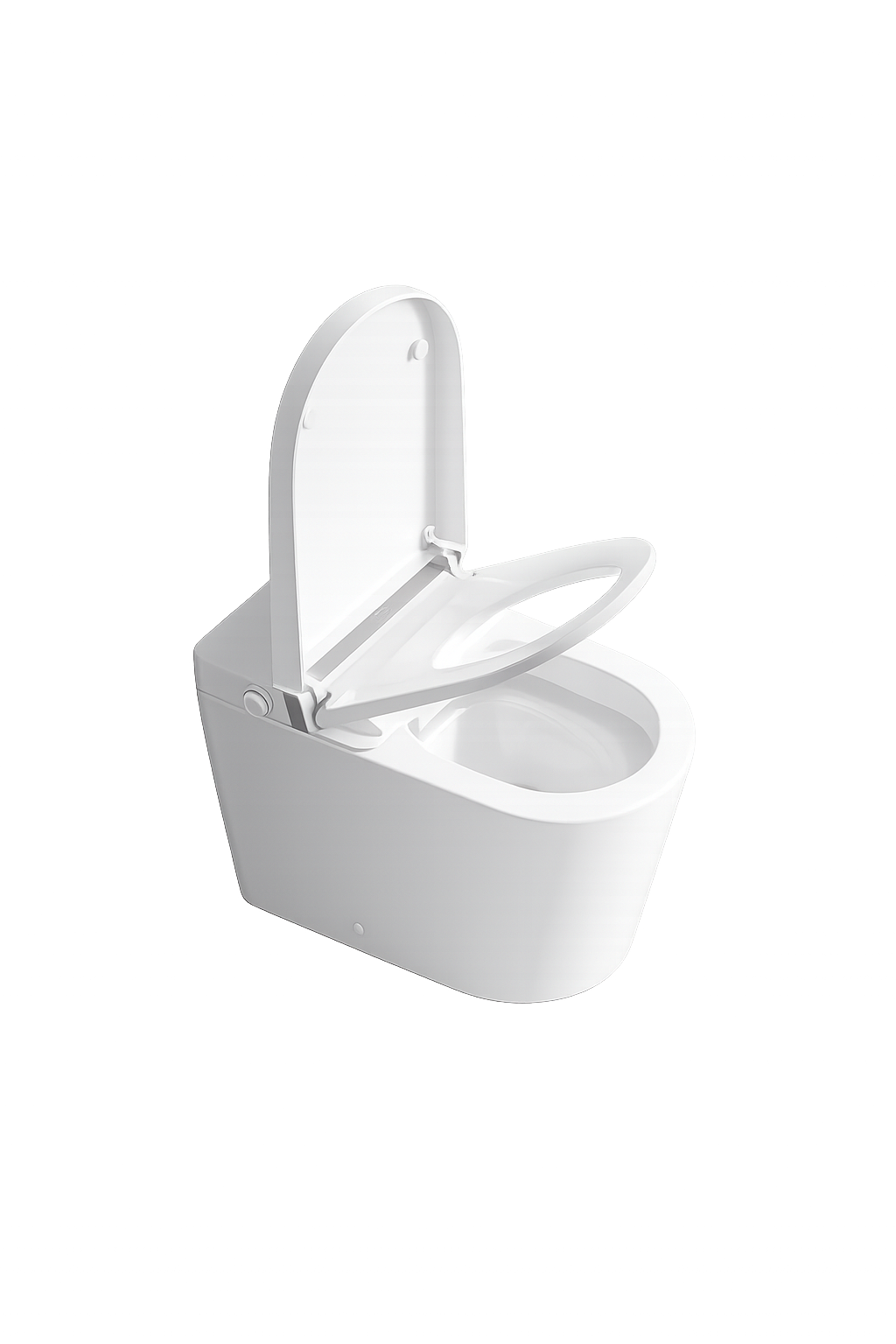
Modelos como o CL-721 Sanita inteligente de 10 polegadas para instalação em calha foram concebidos para se adaptarem a condições de instalação mais apertadas, mantendo o desempenho anti-sifão.
Vantagens das sanitas anti-sifão
De acordo com estudos compilados sobre canalização e saneamento referenciados por EPA WaterSenseAs principais vantagens incluem:
- Descarga forte e consistente
- Redução do risco de entupimento
- Melhor controlo dos odores
- Níveis de ruído mais baixos
- Melhoria da eficiência hídrica
Estas vantagens fazem com que as sanitas anti-sifão sejam populares:
- Hotéis
- Escritórios
- Casas de banho residenciais inteligentes
Potenciais desvantagens a considerar
Os sistemas anti-sifão não estão isentos de desafios.
Complexidade da conceção
As aberturas de ventilação e as estruturas internas adicionais aumentam a complexidade do fabrico.
Considerações sobre manutenção
Uma instalação incorrecta ou a acumulação de detritos podem afetar o desempenho do fluxo de ar.
Requisitos de espaço
Alguns modelos requerem um pouco mais de espaço interno dentro do corpo cerâmico.
Dito isto, a engenharia moderna reduziu significativamente estes problemas.
Regulamentos e normas
Muitas regiões exigem agora que as casas de banho cumpram normas de eficiência rigorosas.
Nos EUA e na UE:
- Aplicam-se limites máximos de volume de descarga
- São incentivadas as certificações de eficiência hídrica (por exemplo, WaterSense)
As sanitas anti-sifão estão naturalmente em conformidade com estes regulamentos devido ao seu design eficiente de descarga.
Tendências futuras da tecnologia anti-sifão
Olhando para o futuro, as sanitas anti-sifão estão a evoluir:
- Sensores inteligentes
- Descarga de água sem contacto
- Monitorização da água em tempo real
- Sistemas modulares de lavagem
À medida que as cidades se tornam mais densas e a água se torna mais valiosa, os sistemas de descarga com pressão estável desempenharão um papel ainda mais importante.
FAQ: Sanitas Anti-Sifão
Q1. Qual é o principal objetivo de uma sanita anti-sifão?
Para evitar sifonagem indesejada, refluxo e fugas de odores.
Q2. As sanitas anti-sifão são melhores para poupar água?
Sim, normalmente utilizam menos água por descarga.
Q3. Os autoclismos anti-sifão têm uma descarga forte?
Sim, baseiam-se na força controlada da água e não apenas na sucção.
Q4. As sanitas anti-sifão são mais difíceis de manter?
Não significativamente, quando corretamente concebido e instalado.
Considerações finais
O design anti-sifão não é um truque.
É uma solução prática de engenharia para problemas de canalização do mundo real.
Ao controlarem a pressão do ar e estabilizarem o alçapão, as sanitas anti-sifão proporcionam..:
- Melhor higiene
- Descarga mais fiável
- Menor consumo de água
Nas casas de banho modernas - especialmente nas sanitas inteligentes - esta tecnologia está a tornar-se um padrão, não uma atualização. Contacte-nos se precisar de sanitas anti-sifão para os seus projectos.