-
Guxiang Town, ciudad de Chaozhou, provincia de Guangdong, China

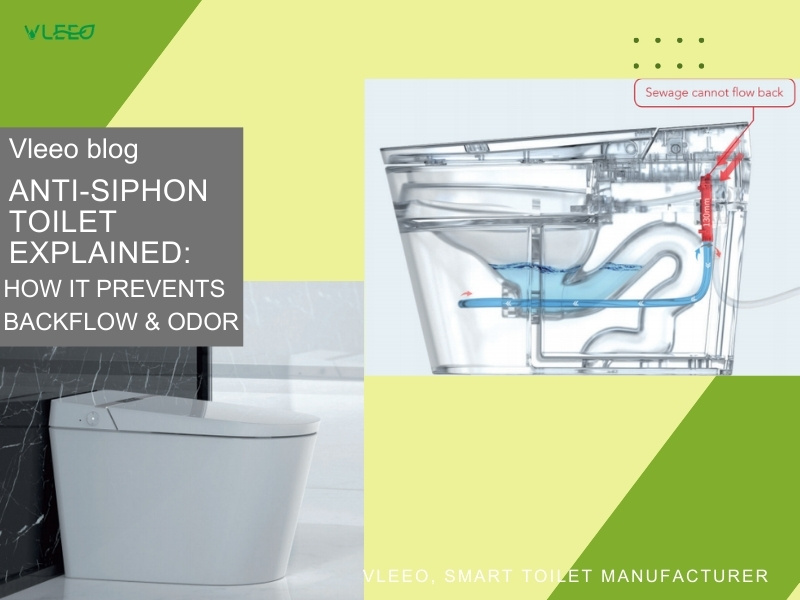
Explicación del inodoro antisifón: Cómo evita el reflujo y los malos olores
Cuando se habla de sistemas de descarga de inodoros, la mayoría se centra en potencia de descarga o consumo de agua.
Pero hay otro factor que afecta silenciosamente a la higiene, el control de olores y la fiabilidad a largo plazo.
Ese factor es diseño antisifón.
En inodoro antisifón está diseñado para evitar el sifonado no deseado durante el lavado, protegiendo el sello de agua, mejorando la eliminación de residuos y reduciendo los riesgos de reflujo.
En los cuartos de baño modernos, especialmente en los inodoros inteligentes y eficientes en el consumo de agua, la tecnología antisifón es cada vez más importante.
¿Qué significa "antisifón" en un inodoro?
En términos sencillos, antisifón significa evitar la aspiración al vacío.
En los inodoros sifónicos tradicionales, la descarga depende en gran medida de la creación de un efecto sifón en el interior del sifón. Aunque es eficaz, a veces puede provocar:
- Pérdida de estanqueidad
- Riesgo de reflujo
- Fugas de olor
- Descarga incoherente
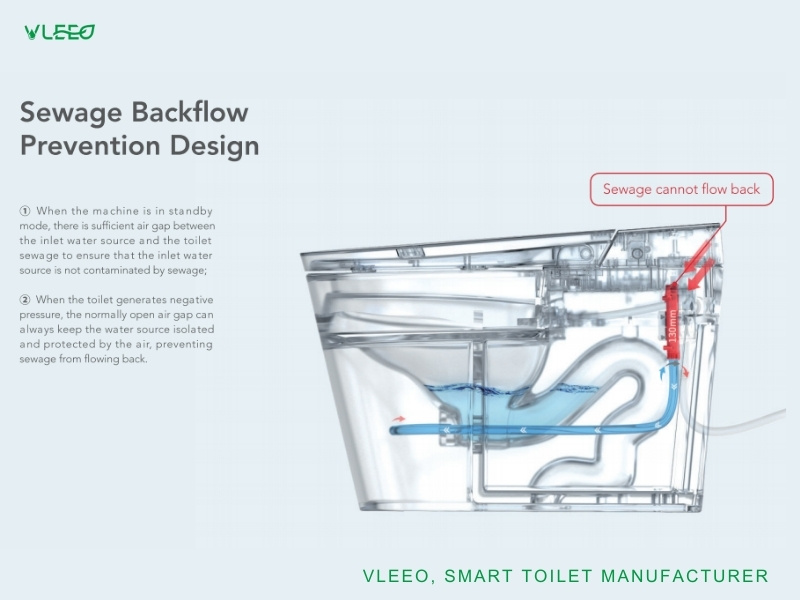
En inodoro antisifón introduce un flujo de aire controlado en el sistema para detener la formación de vacío no deseada.
Según una investigación resumida por Laboratorio abierto de asistentes virtuales de la Universidad de Stanfordla diferencia clave radica en gestión de la presión del aire dentro del sifón.
Breve historia de los inodoros antisifón
La tecnología antisifón no apareció de la noche a la mañana.
Primeros avances
A principios del siglo XX, los inodoros sifónicos se hicieron populares por su funcionamiento silencioso y su fuerte descarga.
Sin embargo, los ingenieros no tardaron en darse cuenta de sus limitaciones:
- Inestabilidad del cierre hidráulico
- Sensibilidad a las condiciones de fontanería
Mejoras de mediados del siglo XX
A mediados del siglo XX, los diseñadores de fontanería empezaron a introducir conceptos de sifón ventilado para estabilizar la presión y evitar el sifonamiento.
Inodoros antisifón modernos
Hoy en día, los inodoros antisifón se utilizan ampliamente en:
- Baños residenciales de gama alta
- Edificios comerciales
- Proyectos de eficiencia hídrica
Su crecimiento se ha acelerado con normativas más estrictas sobre el agua y la adopción de inodoros inteligentes.
Cómo funciona un inodoro antisifón
Entender el diseño antisifón es más fácil si se divide en pasos.
1. Comienza la descarga
El agua entra en la cubeta y empuja los residuos hacia el sifón.
2. Entrada de aire controlada
A respiradero integrado introduce aire en el sifón en un punto específico.
Este flujo de aire:
- Evita la acumulación de vacío
- Estabiliza la presión
- Detiene los desvíos no deseados
3. Los residuos se empujan, no se tiran
En lugar de basarse únicamente en la succión, los residuos se mueven utilizando fuerza impulsada por el agua.
Este es el principio básico de los sistemas antisifón.
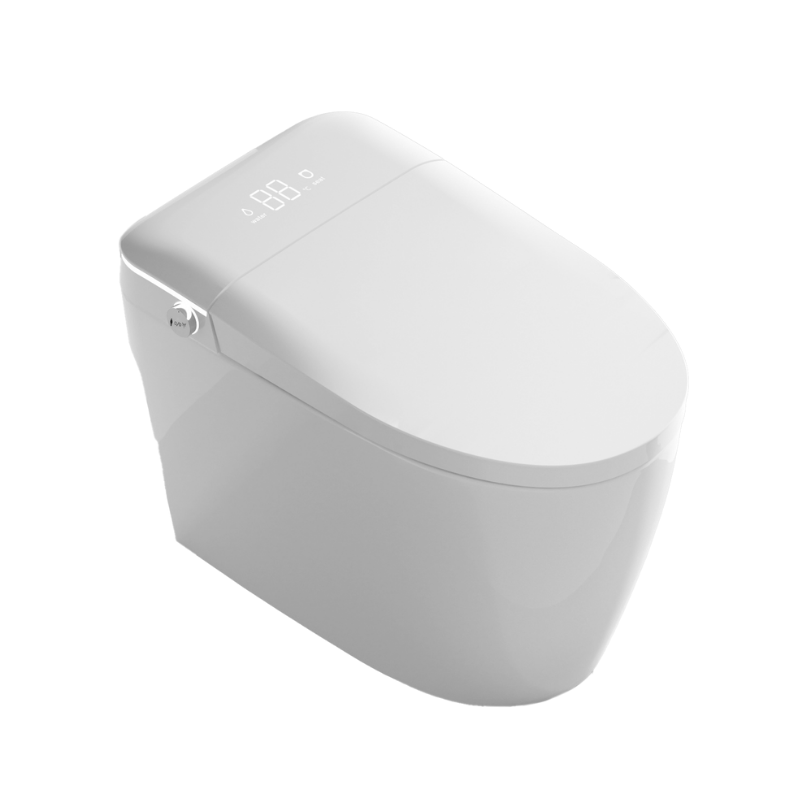
Por qué el diseño antisifón es importante para la higiene
Una de las mayores ventajas de los inodoros antisifón es control de olores.
Cuando el sifonaje es incontrolado:
- Los sellos de agua pueden debilitarse
- Los gases de las alcantarillas pueden escapar
Los inodoros antisifón mantienen un sello de agua más grande y estableque bloquea los olores con mayor eficacia.
Estudios de sistemas de fontanería resumidos en referencias del sector como Acciones ecológicas indican que una presión estable en el sifón desempeña un papel clave en la reducción de las fugas de olores y del riesgo de contaminación.
Inodoros antisifón frente a inodoros sifónicos tradicionales
| Característica | Inodoro sifónico | Inodoro antisifón |
| Principio de descarga | Succión de vacío | Fuerza del agua + control del aire |
| Estabilidad del sellado al agua | Moderado | Alta |
| Riesgo de reflujo | Más alto | Baja |
| Eficacia del agua | Moderado | Alta |
| Control de olores | Bien | Mejor |
Los inodoros antisifón suelen utilizar menos agua por descarga manteniendo un rendimiento constante.
Eficiencia hídrica y beneficios medioambientales
Muchos inodoros antisifón funcionan a 1,28 galones por descarga (GPF) o menos.
En comparación con los antiguos sistemas de 1,6 GPF o 6 litros, esto se traduce en:
- Importante ahorro de agua
- Menores costes de servicios públicos
- Reducción del impacto medioambiental
Los estudios citados en la base de datos de investigación sobre fontanería de Stanford muestran que los hogares pueden reducir el consumo de agua de los inodoros de la siguiente manera 20-30% con sistemas antisifón de alta eficacia.
Diseño antisifón en los inodoros inteligentes
Los inodoros inteligentes exigen más fiabilidad a la descarga.
¿Por qué?
Porque características como:
- Lavado automático
- Sistemas de bidé
- Protectores de espuma
- Ciclos controlados por sensor
Todos dependen de presión interna estable.
Por eso, muchos inodoros inteligentes modernos integran principios antisifón.
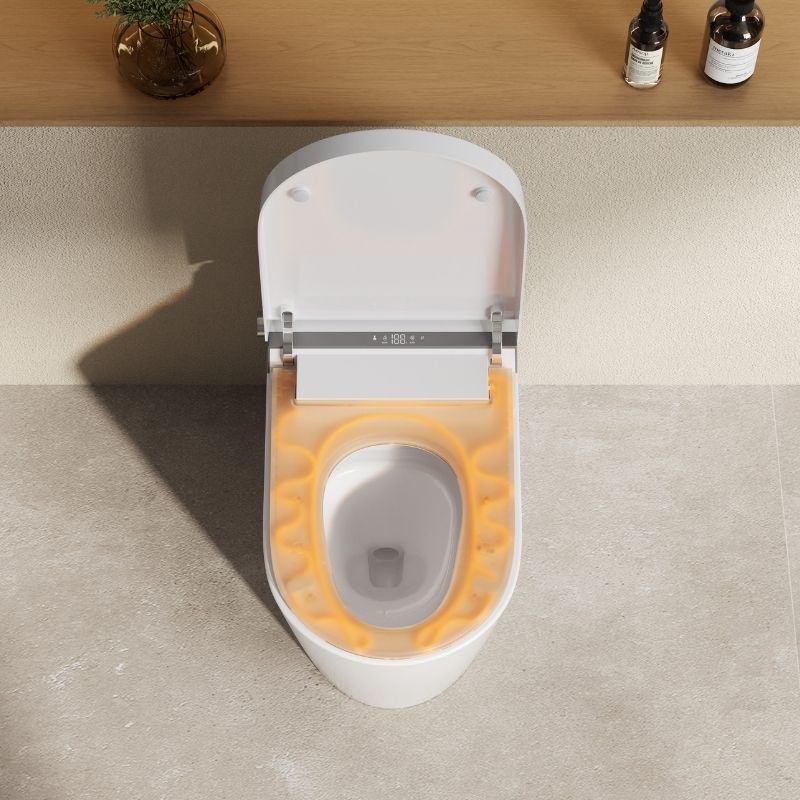
Por ejemplo, el CL-630 Inodoro con cisterna inteligente y bidé para Europa combina una descarga eficaz con un diseño de sifón de presión estabilizada para garantizar un rendimiento constante en diferentes condiciones de fontanería.
Compatibilidad de instalación y fontanería
Los inodoros antisifón están diseñados para funcionar con sistemas de fontanería existentes.
Entre sus principales ventajas figuran:
- Posición de salida ajustable
- Compatibilidad con tuberías de suelo modernas
- Menor complejidad de la adaptación
Esto las hace adecuadas tanto para proyectos de nueva construcción como de renovación.
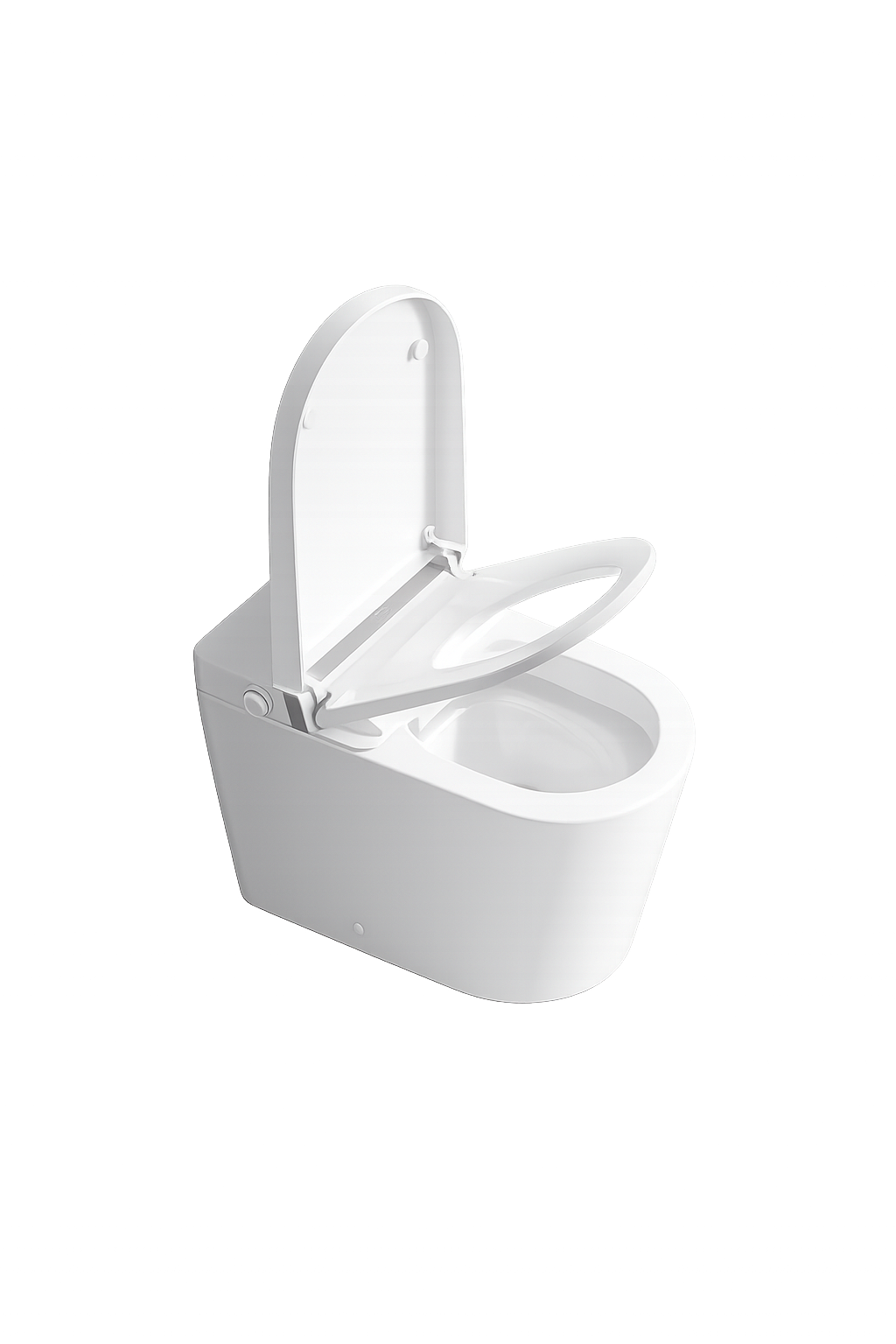
Modelos como el CL-721 Inodoro Smart Rough-In de 10 pulgadas están diseñados para adaptarse a condiciones de instalación más estrechas, manteniendo al mismo tiempo el rendimiento antisifón.
Ventajas de los inodoros antisifón
Según una recopilación de estudios sobre fontanería y saneamiento a la que hace referencia EPA WaterSenseLas principales ventajas son:
- Descarga fuerte y constante
- Menor riesgo de obstrucción
- Mejor control de olores
- Niveles de ruido más bajos
- Mayor eficiencia hídrica
Estas ventajas hacen que los inodoros antisifón sean populares en:
- Hoteles
- Oficinas
- Baños inteligentes residenciales
Posibles inconvenientes
Los sistemas antisifón no están exentos de dificultades.
Complejidad del diseño
Los respiraderos adicionales y las estructuras internas aumentan la complejidad de la fabricación.
Consideraciones sobre el mantenimiento
Una instalación incorrecta o la acumulación de residuos pueden afectar al rendimiento del flujo de aire.
Espacio necesario
Algunos diseños requieren algo más de espacio interno dentro del cuerpo cerámico.
Dicho esto, la ingeniería moderna ha reducido considerablemente estos problemas.
Reglamentos y normas
En la actualidad, muchas regiones exigen que los inodoros cumplan estrictas normas de eficiencia.
En Estados Unidos y la UE:
- Se aplican límites máximos de volumen de descarga
- Se fomentan las certificaciones de eficiencia hídrica (por ejemplo, WaterSense)
Los inodoros antisifón se ajustan de forma natural a esta normativa gracias a su diseño de descarga eficiente.
Tendencias futuras de la tecnología antisifón
De cara al futuro, los inodoros antisifón evolucionan con:
- Sensores inteligentes
- Descarga sin contacto
- Control del agua en tiempo real
- Sistemas modulares de lavado
A medida que las ciudades se densifiquen y el agua adquiera mayor valor, los sistemas de descarga a presión estable desempeñarán un papel aún más importante.
FAQ: Inodoros antisifón
Q1. ¿Para qué sirve principalmente un inodoro antisifón?
Para evitar sifonamientos no deseados, reflujos y fugas de olores.
Q2. ¿Son mejores los inodoros antisifón para ahorrar agua?
Sí, suelen consumir menos agua por descarga.
Q3. ¿Los inodoros antisifón descargan con fuerza?
Sí. Se basan en la fuerza controlada del agua y no sólo en la succión.
Q4. ¿Los inodoros antisifón son más difíciles de mantener?
No significativamente, si se diseña e instala correctamente.
Reflexiones finales
El diseño antisifón no es un truco.
Es una solución práctica de ingeniería para los problemas de fontanería del mundo real.
Al controlar la presión del aire y estabilizar el sifón, los inodoros antisifón cumplen su función:
- Mejor higiene
- Descarga más fiable
- Menor consumo de agua
En los cuartos de baño modernos -especialmente en los inodoros inteligentes- esta tecnología se está convirtiendo en un estándar, no en una actualización. Póngase en contacto con nosotros si necesita inodoros antisifón para sus proyectos.