-
مدينة قوشيانغ، مدينة تشاوتشو، مقاطعة قوانغدونغ، الصين

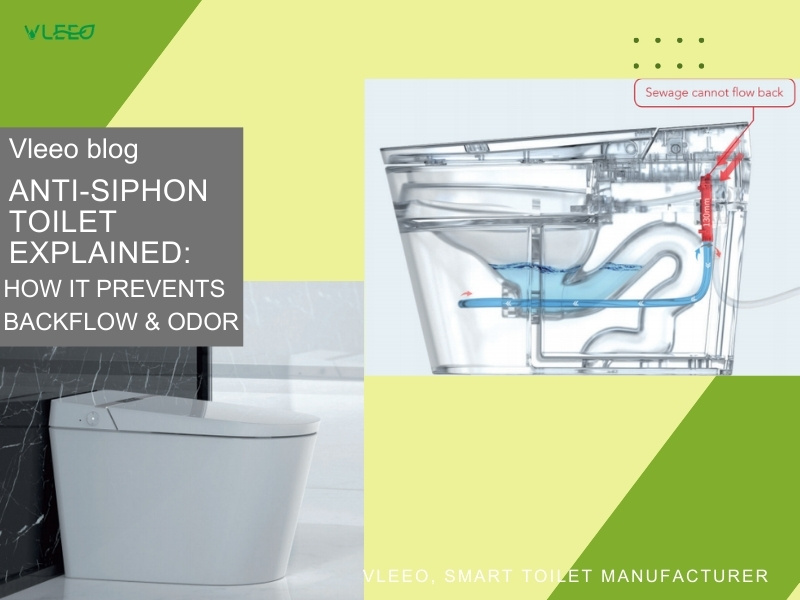
شرح المرحاض المضاد للسيفون: كيف يمنع التدفق العكسي والرائحة الكريهة
عندما يتحدث الناس عن أنظمة تنظيف المرحاض، يركز معظمهم على قوة التدفق أو استهلاك المياه.
ولكن هناك عامل آخر يؤثر بهدوء على النظافة والتحكم في الرائحة والموثوقية على المدى الطويل.
هذا العامل هو تصميم مضاد للسيفون.
أن مرحاض مضاد للسيفون تم تصميمه لمنع السحب غير المرغوب فيه أثناء التنظيف - مما يحمي مانع تسرب المياه ويحسن من إزالة النفايات ويقلل من مخاطر التدفق العكسي.
في الحمامات الحديثة، وخاصةً المراحيض الذكية والموفرة للمياه، تزداد أهمية تقنية منع السيفون في الحمامات الحديثة.
ماذا يعني "مانع السيفون" في المرحاض؟
بعبارات بسيطة, مضاد السيفون يعني منع الشفط بالتفريغ.
في المراحيض السيفونية التقليدية، يعتمد التنظيف بشكل كبير على إحداث تأثير السيفون داخل مجرى السحب. وعلى الرغم من فعاليته، إلا أن هذا قد يسبب أحياناً:
- فقدان مانع تسرب الماء
- مخاطر التدفق العكسي
- تسرب الرائحة
- التنظيف غير المتناسق
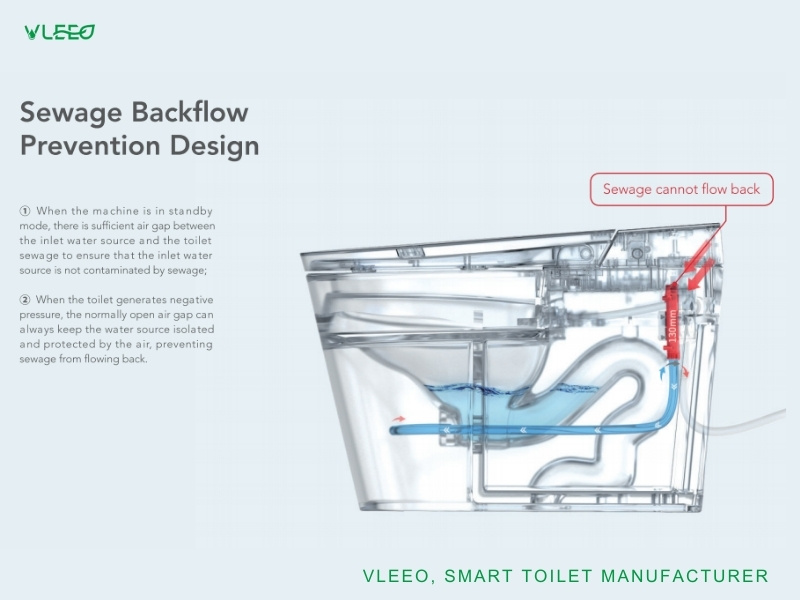
أن مرحاض مضاد للسيفون إدخال تدفق هواء متحكم به في النظام لإيقاف تكوين الفراغ غير المرغوب فيه.
وفقًا للبحث الذي لخصه مختبر المساعد الافتراضي المفتوح بجامعة ستانفورد، يكمن الفرق الرئيسي في إدارة ضغط الهواء داخل الممر المحصور.
لمحة تاريخية موجزة عن المراحيض المضادة للسيفون
لم تظهر تقنية مكافحة السيفون بين عشية وضحاها.
التطورات المبكرة
في أوائل القرن العشرين، أصبحت المراحيض السيفونية شائعة في أوائل القرن العشرين بسبب تشغيلها الهادئ وقوة تدفقها.
ومع ذلك، سرعان ما لاحظ المهندسون وجود قيود:
- عدم استقرار مانع تسرب الماء
- الحساسية لظروف السباكة
تحسينات منتصف القرن العشرين
وبحلول منتصف القرن العشرين، بدأ مصممو السباكة في تقديم مفاهيم ممرات التهوية المنفرجة لتثبيت الضغط ومنع السحب.
مراحيض حديثة مضادة للسيفون
اليوم، تُستخدم المراحيض المضادة للسيفون على نطاق واسع في:
- الحمامات السكنية الراقية
- المباني التجارية
- مشاريع كفاءة استخدام المياه
وقد تسارعت وتيرة نموها مع زيادة صرامة لوائح المياه واعتماد المراحيض الذكية.
كيفية عمل المرحاض المضاد للسيفون
يكون فهم تصميم مضاد السيفون أسهل عند تقسيمه إلى خطوات.
1. بدء التنظيف
يدخل الماء إلى الوعاء ويدفع الفضلات نحو مجرى الفخ.
2. مدخل هواء متحكم به
A فتحة تهوية مدمجة إدخال الهواء في الممر الفخ عند نقطة محددة.
هذا التدفق الهوائي:
- يمنع تراكم الفراغ
- يعمل على استقرار الضغط
- إيقاف السحب غير المرغوب فيه
3. يتم دفع النفايات وليس سحبها
بدلاً من الاعتماد على الشفط وحده، يتم نقل النفايات باستخدام قوة مدفوعة بالماء.
هذا هو المبدأ الأساسي وراء أنظمة مكافحة السيفون.
لماذا يعد التصميم المضاد للسيفون مهمًا للنظافة
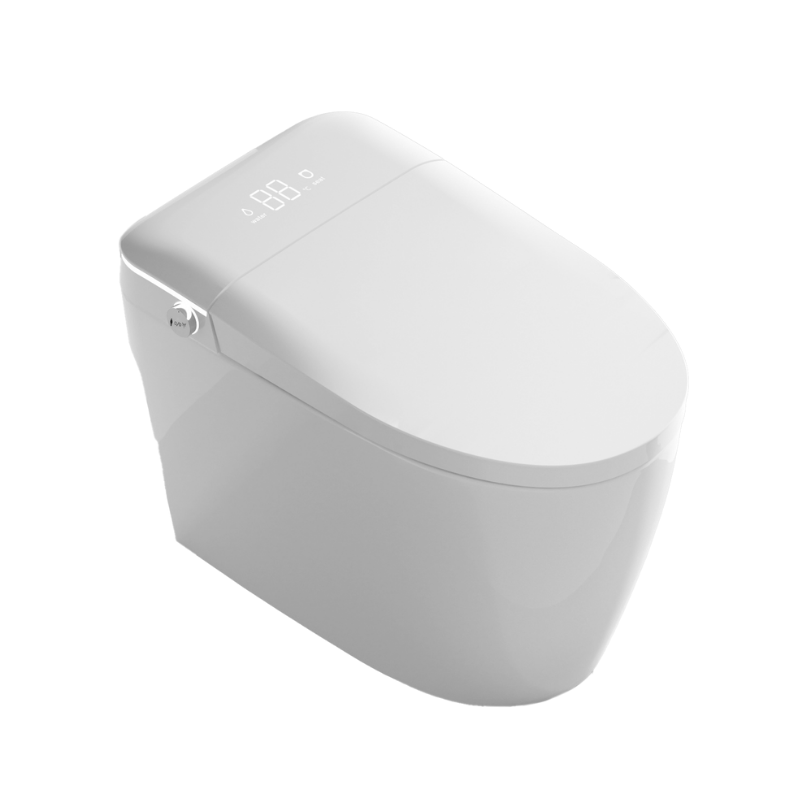
واحدة من أكبر مزايا المراحيض المضادة للسيفون هي التحكم في الرائحة.
عندما يكون السحب خارج نطاق السيطرة:
- يمكن أن يضعف مانع تسرب الماء
- قد تتسرب غازات المجاري
تحافظ المراحيض المضادة للسيفون على ختم ماء أكبر وأكثر ثباتاًالذي يحجب الروائح بشكل أكثر فعالية.
دراسات أنظمة السباكة الملخصة في مراجع الصناعة مثل الإجراءات البيئية تشير إلى أن الضغط المستقر للمصيدة يلعب دورًا رئيسيًا في الحد من تسرب الروائح ومخاطر التلوث.
المراحيض المضادة للسيفون مقابل مراحيض السيفون التقليدية
| الميزة | مرحاض سيفونيك | مرحاض مضاد للسيفون |
| مبدأ التنظيف | شفط الفراغ | قوة الماء + التحكم في الهواء |
| ثبات مانع تسرب الماء | معتدل | عالية |
| مخاطر التدفق العكسي | أعلى | أقل |
| كفاءة استخدام المياه | معتدل | عالية |
| التحكم في الرائحة | جيد | أفضل |
تستخدم المراحيض المضادة للسيفون عادةً كمية مياه أقل لكل دفقة ماء مع الحفاظ على الأداء المتسق.
كفاءة المياه والفوائد البيئية
تعمل العديد من المراحيض المضادة للسيفون في 1.28 جالون لكل تدفق (GPF) أو أقل.
مقارنةً بأنظمة 1.6 GPF أو 6 لتر الأقدم، ينتج عن ذلك:
- توفير كبير في المياه
- انخفاض تكاليف المرافق
- تقليل الأثر البيئي
تُظهر الدراسات المذكورة في قاعدة بيانات أبحاث السباكة في ستانفورد أن الأسر يمكن أن تقلل من استخدام المياه في المرحاض عن طريق 20-30% مع أنظمة عالية الكفاءة لمكافحة السيفون.
تصميم مضاد للسيفون في المراحيض الذكية
تفرض المراحيض الذكية متطلبات أعلى على موثوقية التنظيف.
لماذا؟
لأن ميزات مثل:
- التنظيف التلقائي
- أنظمة بيديت
- الدروع الرغوية
- دورات يتم التحكم فيها بواسطة المستشعر
تعتمد جميعها على ضغط داخلي مستقر.
ولهذا السبب فإن العديد من المراحيض الذكية الحديثة تدمج مبادئ مكافحة السيفون.
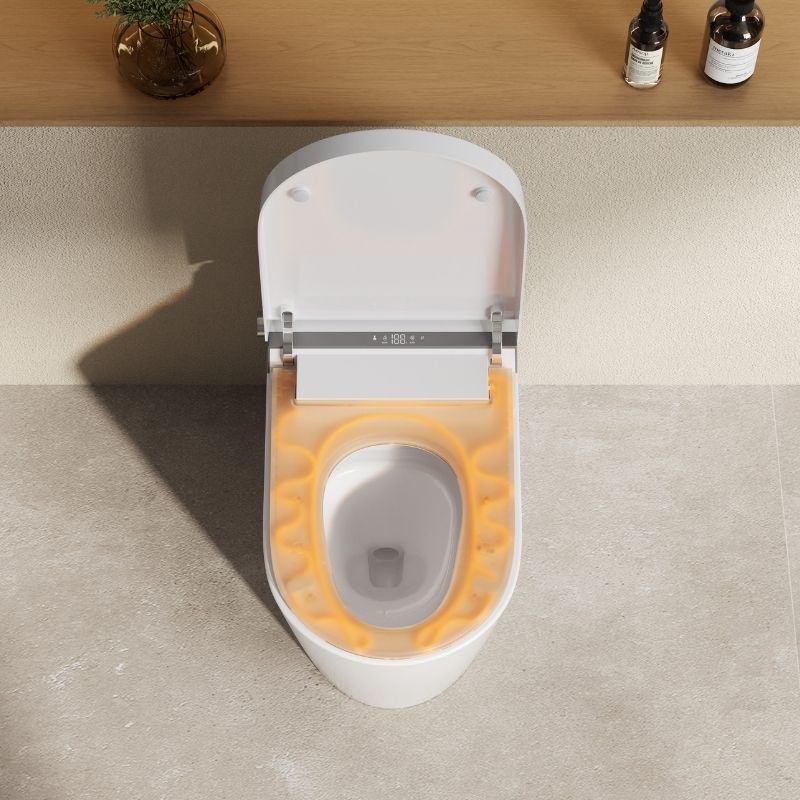
على سبيل المثال، فإن مرحاض التدفق الذكي CL-630 مع بيديت لأوروبا يجمع بين التنظيف الفعّال وتصميم مجرى السحب المثبت بالضغط لضمان أداء ثابت في مختلف ظروف السباكة.
توافق التركيب والسباكة
المراحيض المضادة للسيفون مصممة للعمل مع أنظمة السباكة الحالية.
تشمل المزايا الرئيسية ما يلي:
- وضع المخرج القابل للتعديل
- التوافق مع أنابيب التربة الحديثة
- تقليل تعقيدات التعديل التحديثي
وهذا يجعلها مناسبة لكل من مشاريع الإنشاءات الجديدة ومشاريع التجديد.
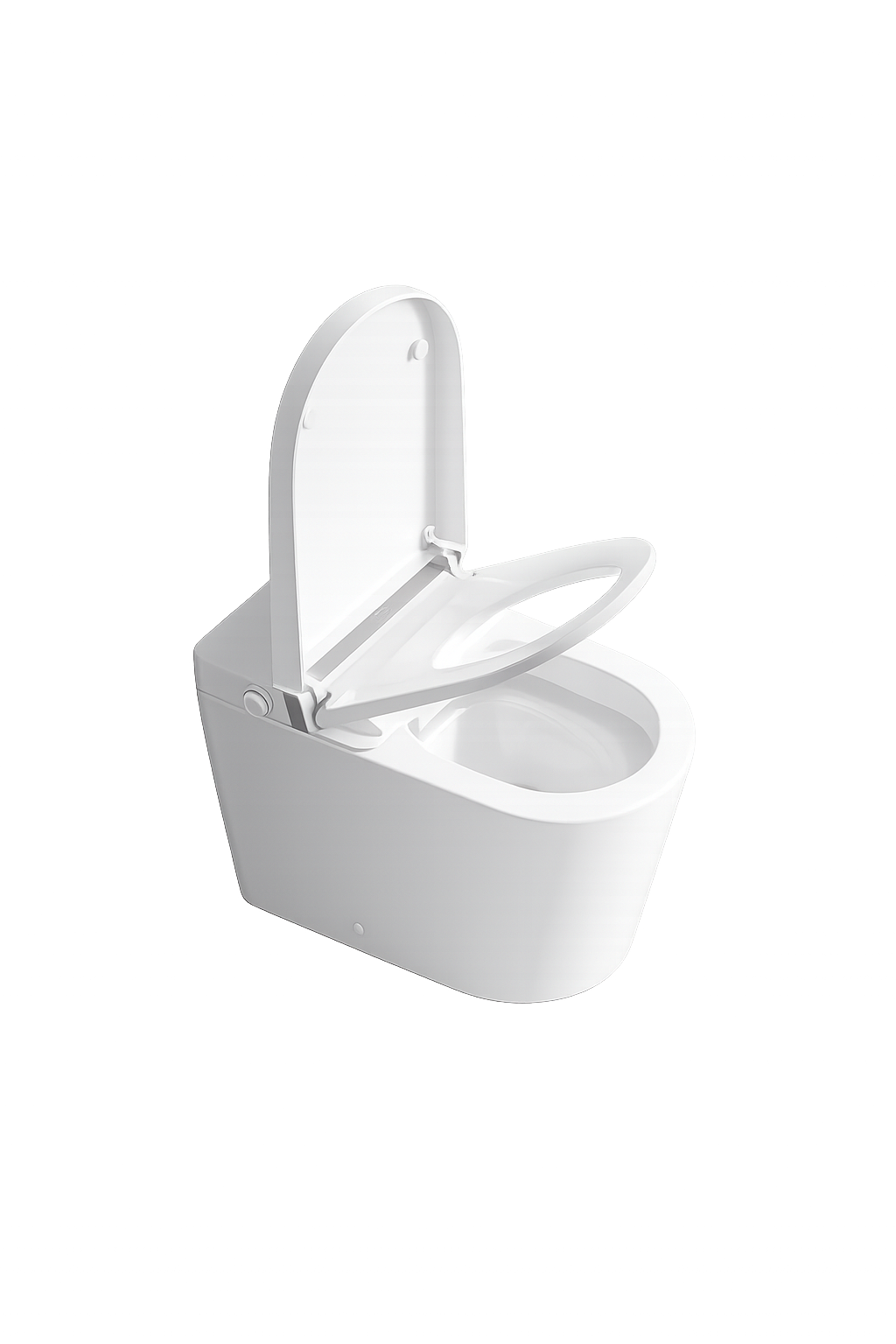
نماذج مثل مرحاض ذكي CL-721 مقاس 10 بوصة من البداية CL-721 تم تصميمها لتلائم ظروف التركيب الأكثر إحكاماً مع الحفاظ على الأداء المضاد للسيفون.
مزايا المراحيض المضادة للسيفون
ووفقًا لدراسات السباكة والصرف الصحي المجمعة التي أشار إليها EPA WaterSense، تشمل المزايا الرئيسية ما يلي:
- تدفق قوي وثابت
- تقليل مخاطر الانسداد
- تحكم أفضل في الرائحة
- انخفاض مستويات الضوضاء
- تحسين كفاءة استخدام المياه
هذه الفوائد تجعل المراحيض المضادة للسيفون شائعة في:
- الفنادق
- المكاتب
- الحمامات السكنية الذكية
العيوب المحتملة التي يجب مراعاتها
لا تخلو أنظمة مكافحة السيفون من التحديات.
تعقيد التصميم
تزيد الفتحات الإضافية والهياكل الداخلية من تعقيد التصنيع.
اعتبارات الصيانة
يمكن أن يؤثر التركيب غير الصحيح أو تراكم الحطام على أداء تدفق الهواء.
متطلبات المساحة
تتطلب بعض التصميمات مساحة داخلية أكبر قليلاً داخل جسم السيراميك.
ومع ذلك، فقد قللت الهندسة الحديثة من هذه المشكلات بشكل كبير.
اللوائح والمعايير
تطلب العديد من المناطق الآن من المراحيض تلبية معايير الكفاءة الصارمة.
في الولايات المتحدة والاتحاد الأوروبي
- تطبق الحدود القصوى لحجم التدفق
- يتم تشجيع شهادات كفاءة استخدام المياه (على سبيل المثال، WaterSense)
تتماشى المراحيض المضادة للسيفون بطبيعة الحال مع هذه اللوائح بسبب تصميمها الفعال في التنظيف.
الاتجاهات المستقبلية في تكنولوجيا مكافحة السيفون
بالنظر إلى المستقبل، تتطور المراحيض المضادة للسيفون مع:
- المستشعرات الذكية
- التنظيف بدون لمس
- مراقبة المياه في الوقت الحقيقي
- أنظمة التنظيف المعيارية
ومع ازدياد كثافة المدن وازدياد قيمة المياه، ستلعب أنظمة التنظيف بالضغط المستقر دوراً أكبر.
الأسئلة الشائعة: المراحيض المضادة للسيفون
Q1. ما هو الغرض الرئيسي من المرحاض المضاد للسيفون؟
لمنع السحب غير المرغوب فيه والتدفق العكسي وتسرب الروائح.
Q2. هل المراحيض المضادة للسحب أفضل لتوفير المياه؟
نعم، فهي تستخدم عادةً كمية أقل من المياه لكل دفقة ماء.
Q3. هل تتدفق المراحيض المضادة للسيفون بقوة؟
نعم، فهي تعتمد على قوة الماء المضبوطة بدلاً من الشفط وحده.
Q4. هل المراحيض المضادة للسيفون أصعب في الصيانة؟
ليس بشكل كبير، عند تصميمها وتركيبها بشكل صحيح.
الأفكار النهائية
التصميم المضاد للسحب ليس وسيلة للتحايل.
إنه حل هندسي عملي لمشاكل السباكة في العالم الحقيقي.
من خلال التحكم في ضغط الهواء وتثبيت مجرى الهواء، توفر المراحيض المضادة للسيفون:
- نظافة صحية أفضل
- شطف أكثر موثوقية
- انخفاض استهلاك المياه
في الحمامات الحديثة - خاصةً المراحيض الذكية - أصبحت هذه التقنية معياراً وليس ترقية. اتصل بنا إذا كنت بحاجة إلى مراحيض مضادة للسيفون لمشاريعك.